Neuron-M / Neuron P / Neuron G: Pharm-D Study Notes
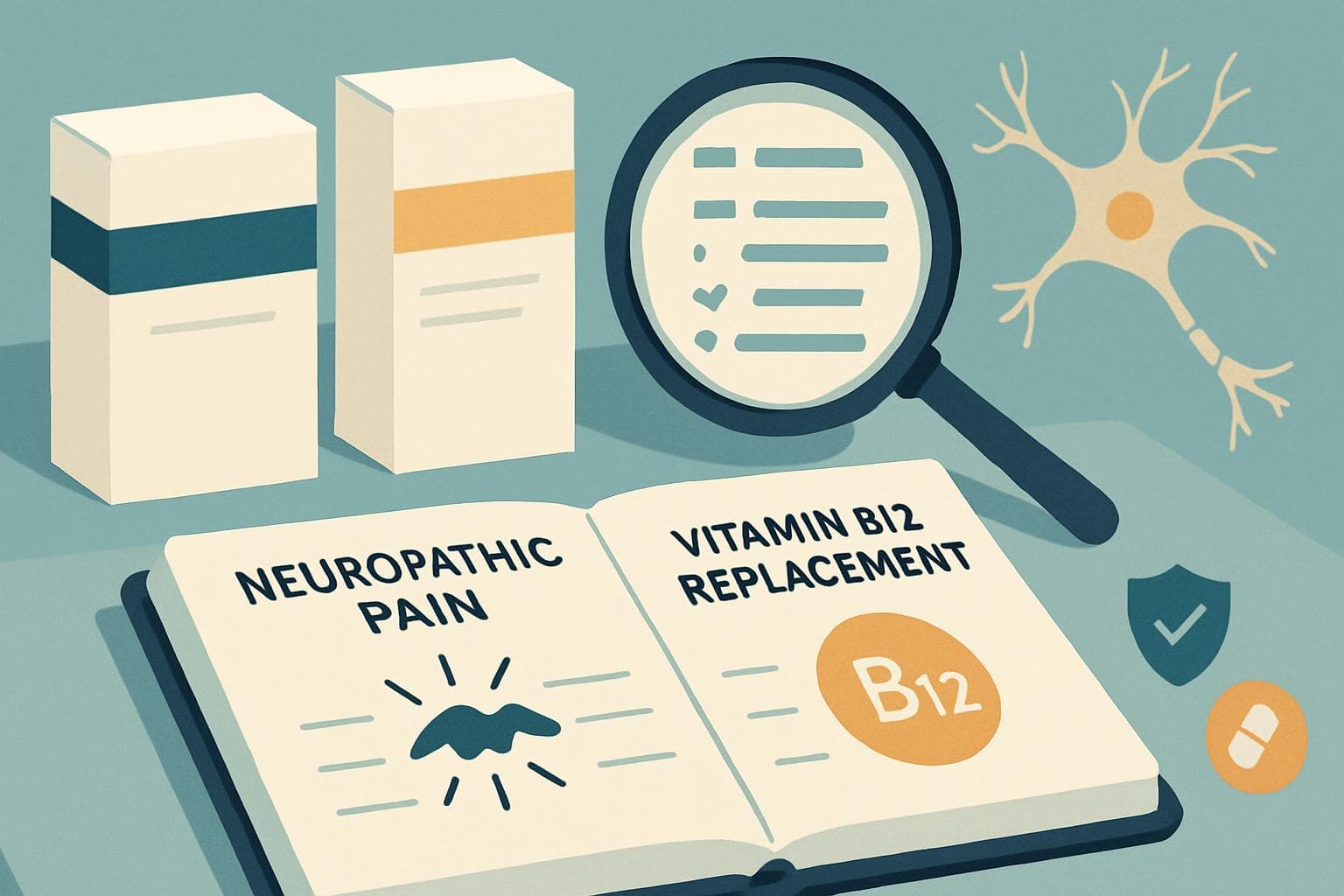
Separate nerve-pain treatment from B12 replacement, check Neuron product labels, and revise the counseling points that prevent unsafe switching.


Or browse by topic from the full library.
Separate nerve-pain treatment from B12 replacement, check Neuron product labels, and revise the counseling points that prevent unsafe switching.
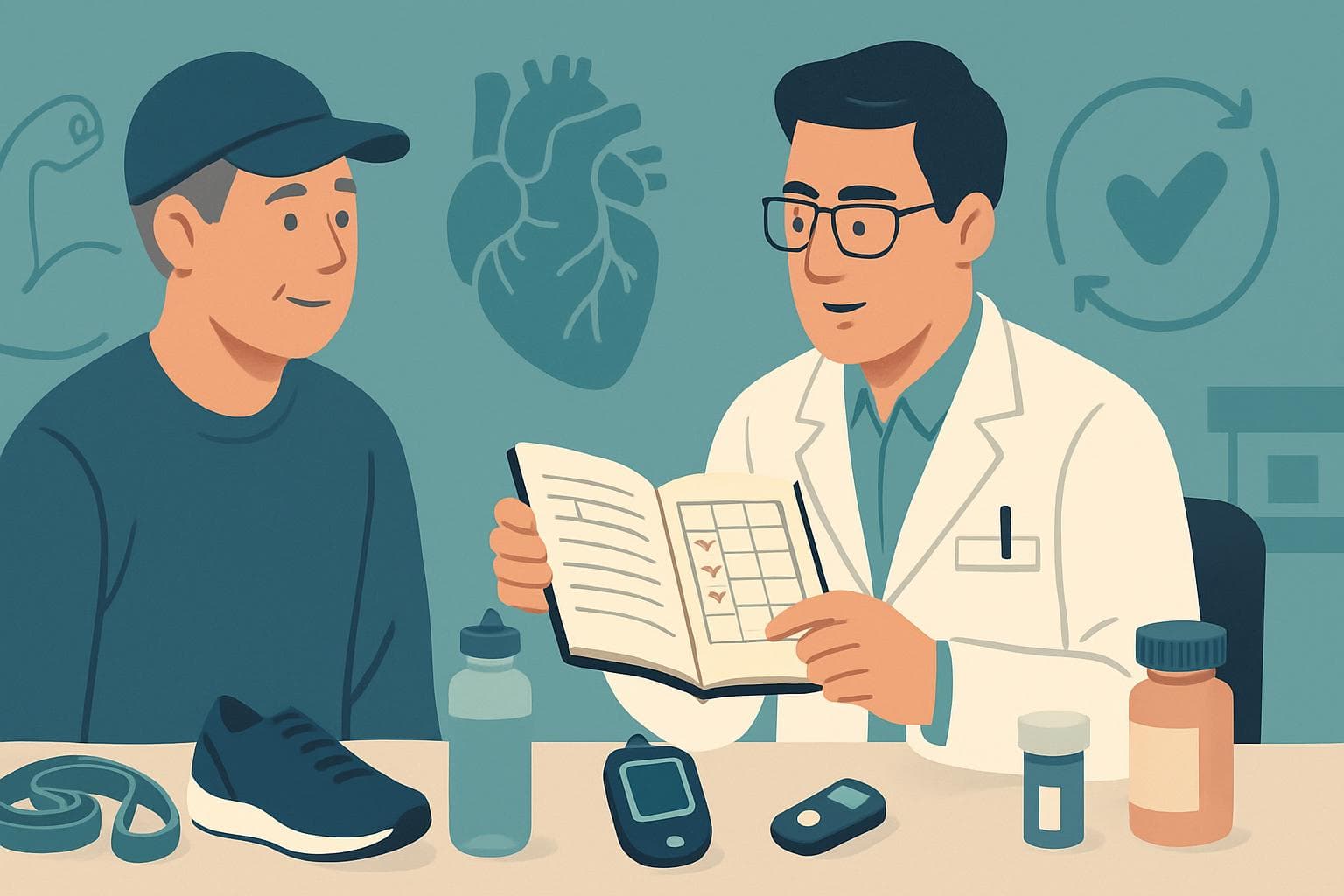
Build a safer fitness plan with Pharm-D notes on exercise targets, medicine interactions, supplements, glucose monitoring, and urgent warning signs.
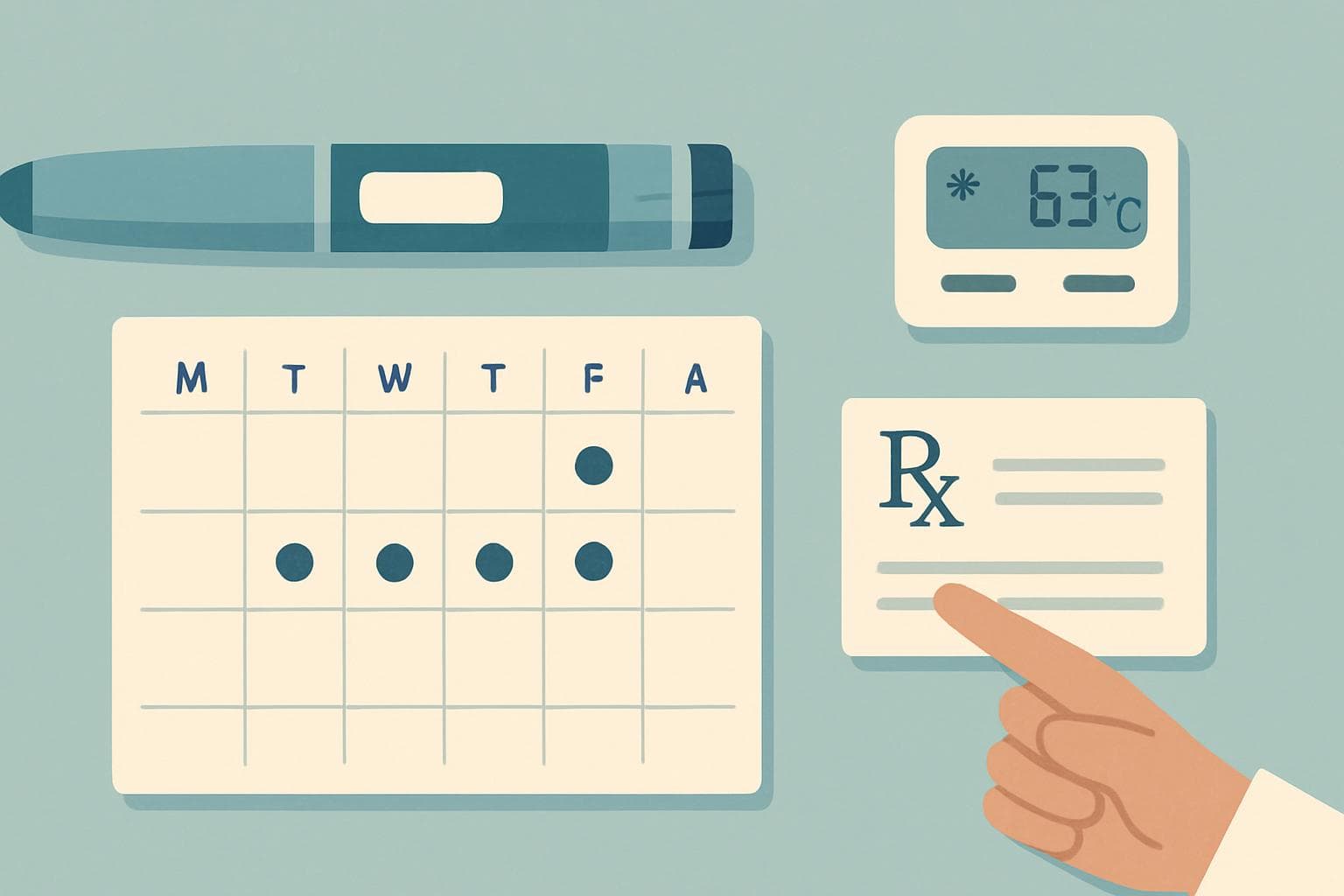
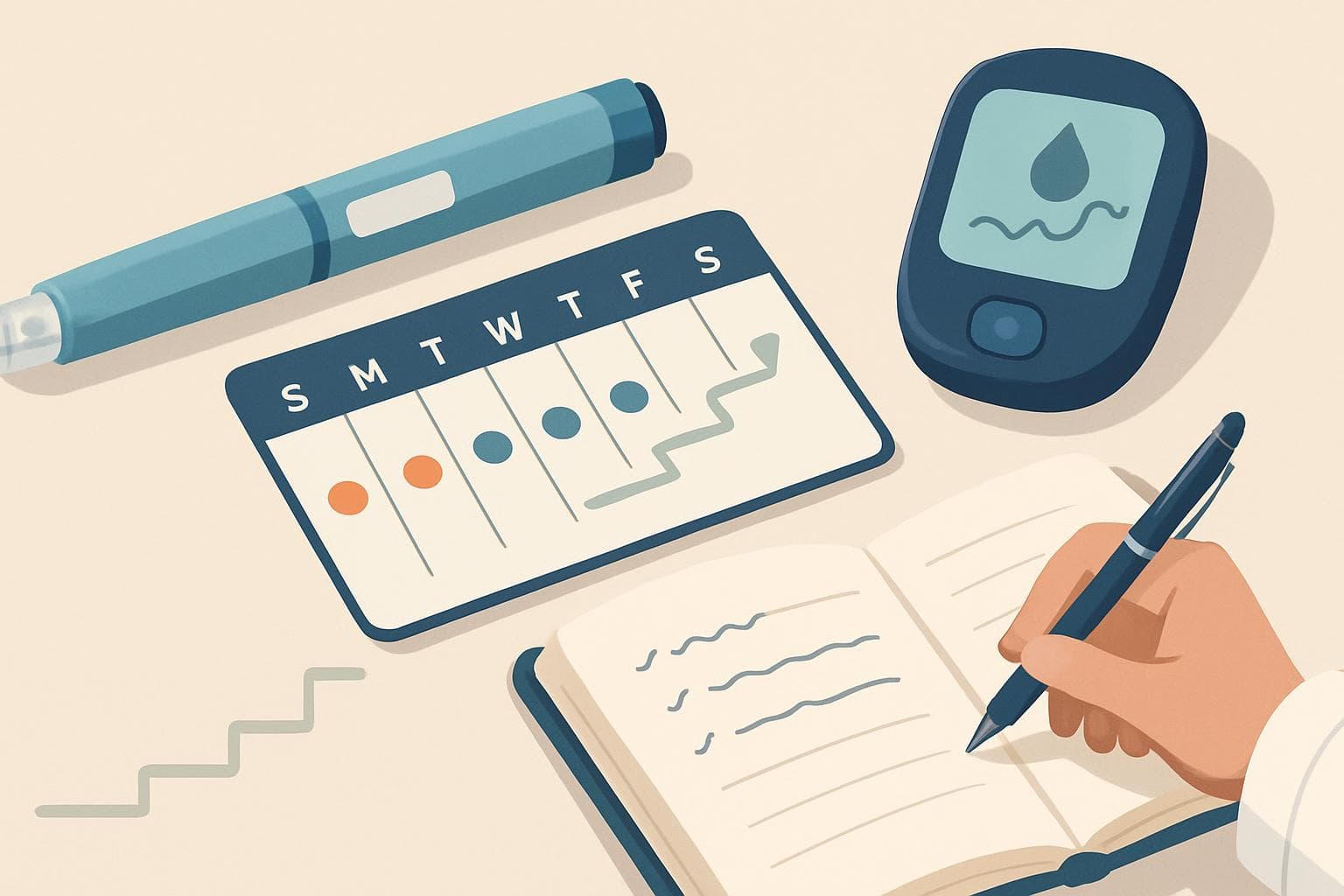
Understand Ozempic’s weekly dose steps, missed-dose rules, pen labels and warning signs, with practical advice for patients and caregivers in Pakistan.
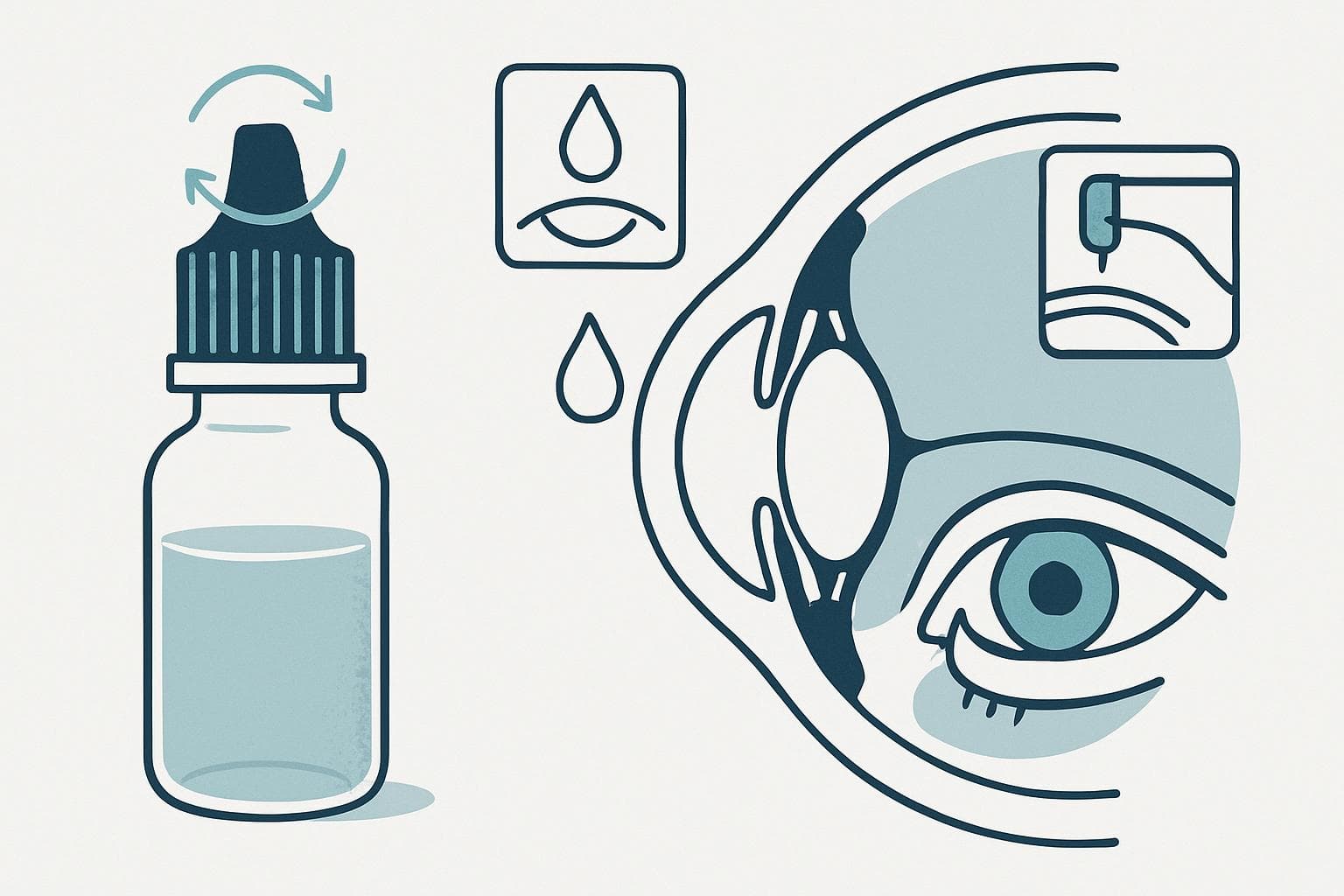
Study prednisolone acetate eye drops: mechanism, dosing checks, suspension technique, and the infection and eye-pressure risks that change counseling.
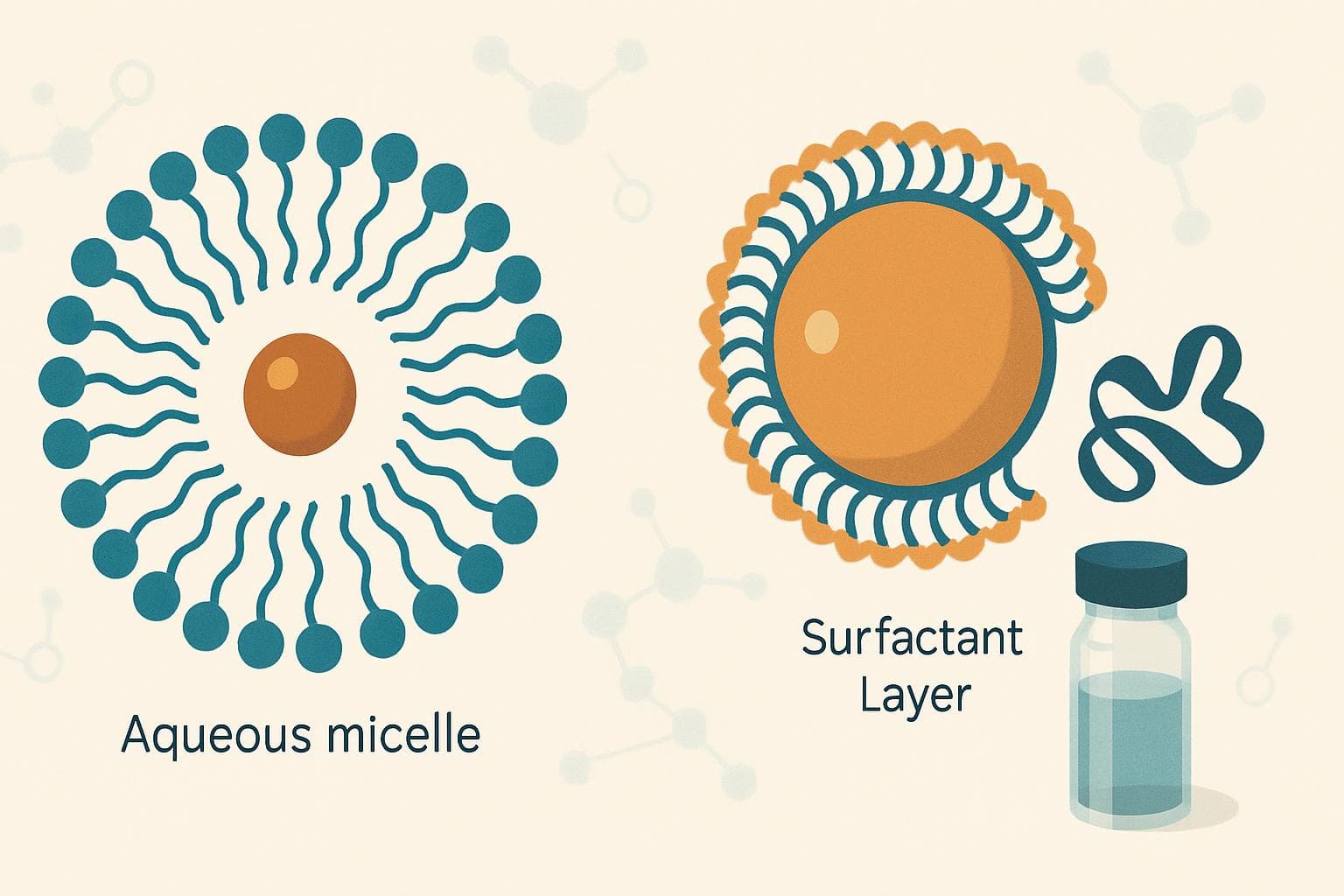
Understand polysorbate chemistry, micelles, formulation roles and safety, with practical notes on polysorbate 20 versus 80 and medicine label checks.
Review Ozempic's weekly dose chart, expected glucose and weight timelines, missed-dose rules, and the safety checks that matter during titration.
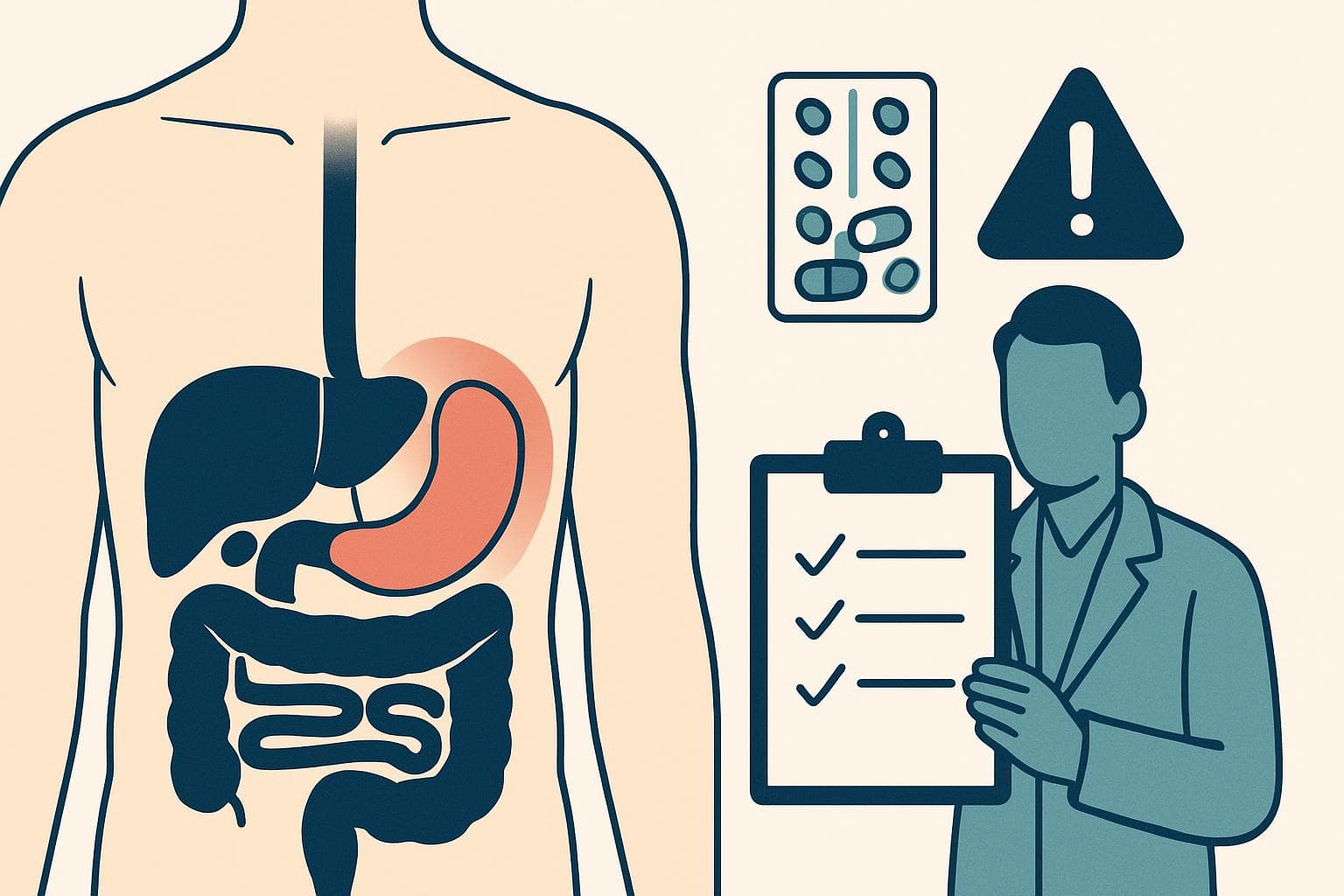
Study left upper quadrant pain with a practical differential, emergency warning signs, medicine-related causes, and pharmacist counseling checkpoints.
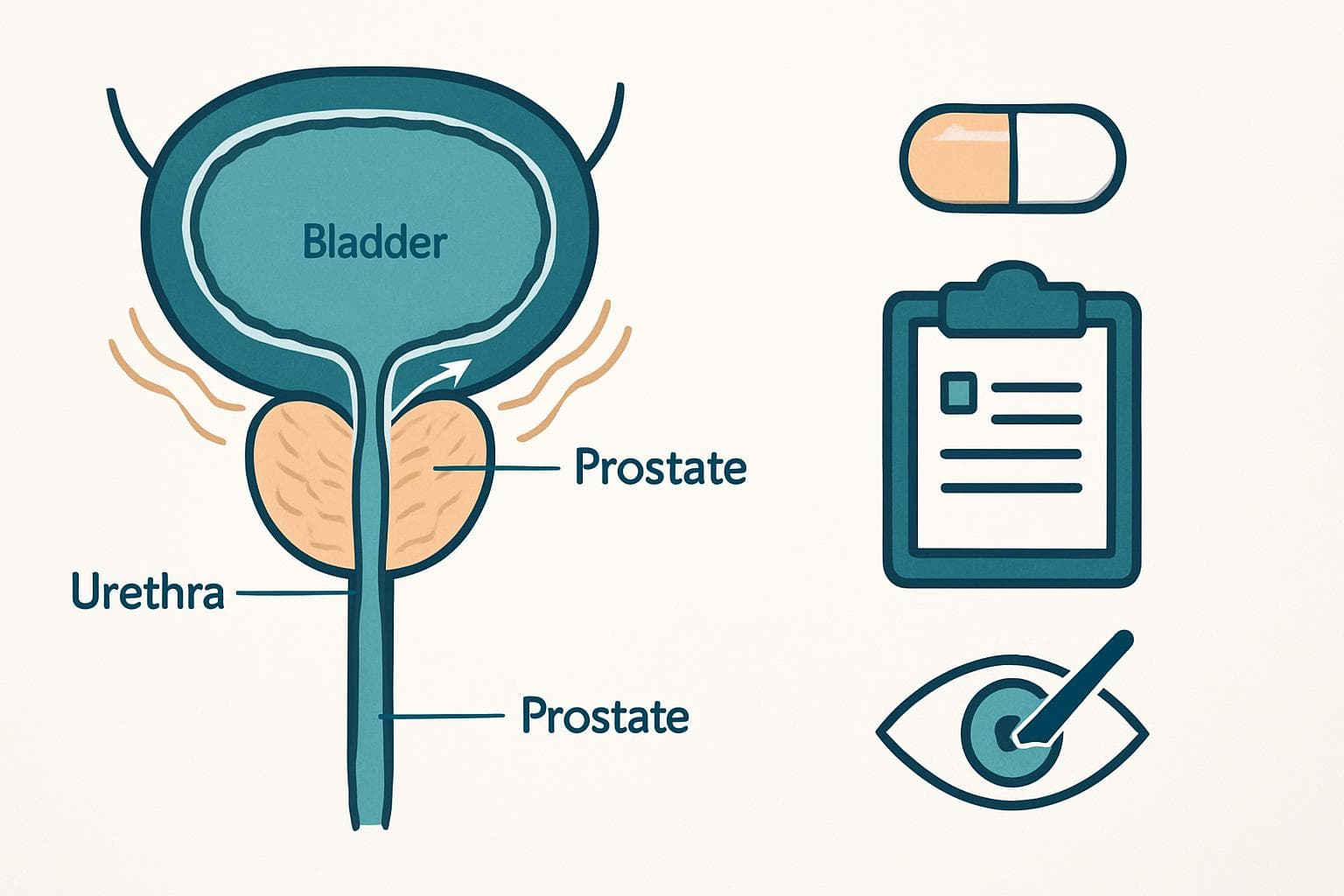
Study Flomax's mechanism, dosing and key interactions, with practical guidance on dizziness, cataract surgery and when urinary symptoms need urgent care.
Learn when early pregnancy symptoms start, how to interpret urine tests, and which pain, bleeding or vomiting signs need urgent clinical assessment.
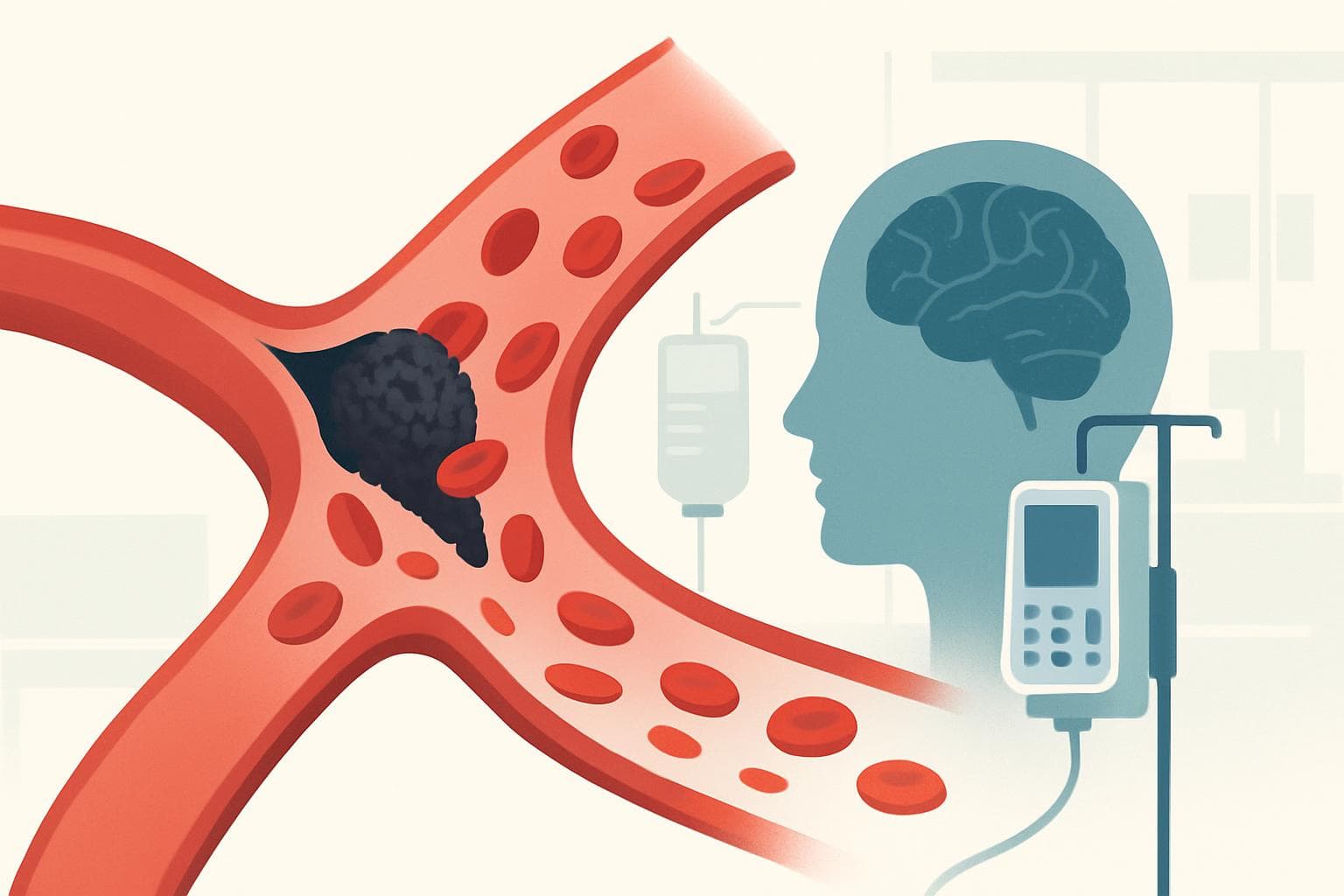
Learn how rtPA dissolves dangerous blood clots, when it can improve stroke recovery, and which bleeding risks and dosing distinctions clinicians must know.
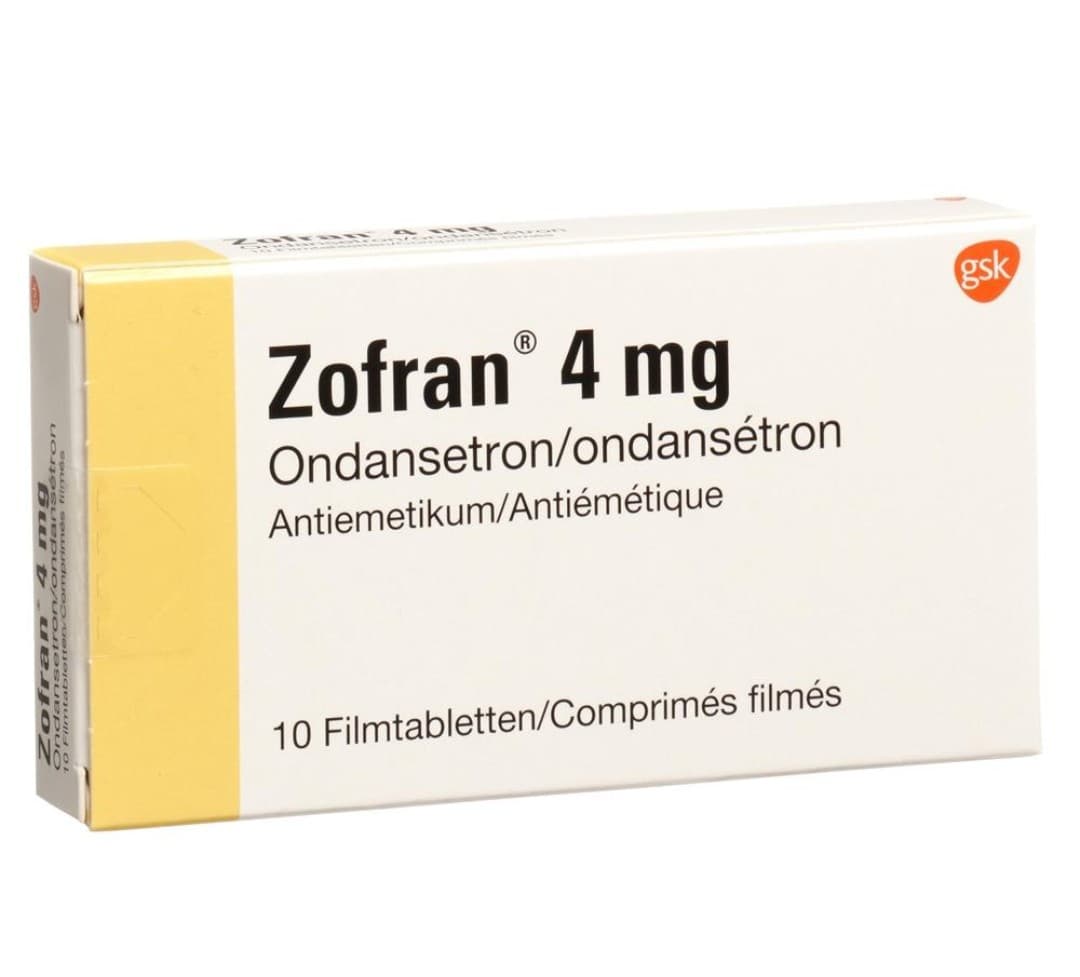
Understand ondansetron’s mechanism, approved uses, dosing principles and QT risks, with practical counseling and high-yield Pharm-D revision notes.
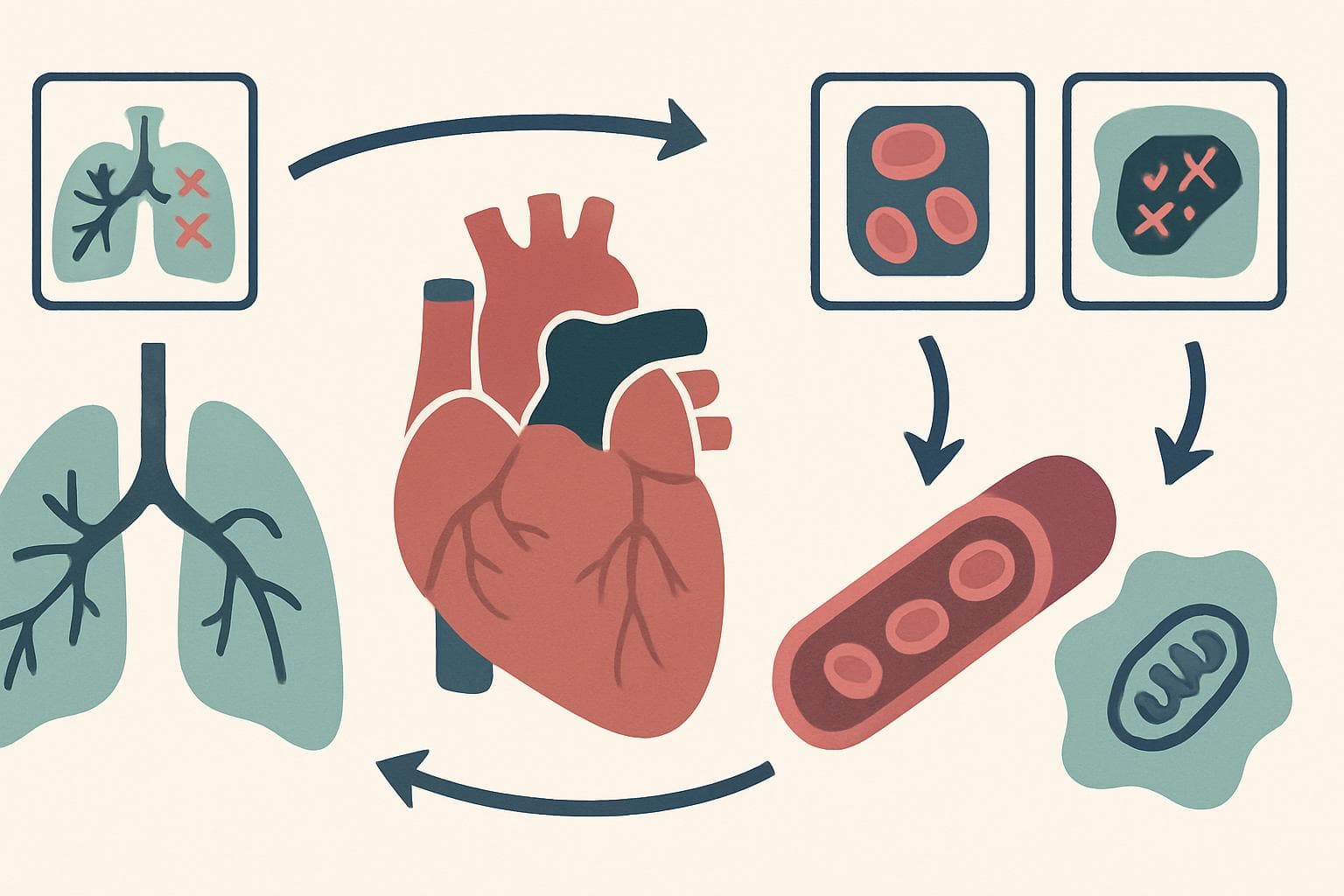
Understand hypoxia through oxygen delivery, its four major types, diagnostic clues and treatment principles, with practical Pharm-D revision notes.

Pharmacists, researchers, and educators can submit evidence-based articles for students and clinicians.