Early Pregnancy Symptoms: Timing, Tests and Red Flags
Learn when early pregnancy symptoms start, how to interpret urine tests, and which pain, bleeding or vomiting signs need urgent clinical assessment.
By Dr. Amina Rahman, PharmD13 min read
Reviewed by Medical Review Team ·

Early pregnancy symptoms may include a missed period, breast tenderness, fatigue, nausea, more frequent urination, and mild cramping, but some people have no noticeable symptoms. Symptoms cannot confirm pregnancy; a correctly timed pregnancy test is more useful, while severe pain, fainting, or heavy bleeding needs urgent assessment.
These Pharm-D study notes connect patient questions with physiology, testing, medication review, and referral decisions. This is educational content, not advertising for any company's product; compare test kits, supplements, and medicines with a pharmacist.
Quick Answer / Overview
- When symptoms begin: Often around the expected period or during the following weeks, although timing varies considerably.
- When to test: Most home urine tests can be used from the first day of a missed period. If the next period date is unknown, test at least 21 days after the last unprotected sex.
- What a positive means: Human chorionic gonadotropin, or hCG, has been detected. The result does not establish pregnancy location or viability.
- What a negative means: Pregnancy is less likely, but testing too early can miss it. Repeat after a few days if suspicion remains.
The clinical task is not symptom counting. It is deciding whether the patient needs testing, routine antenatal care, or urgent assessment.
Key Definitions
- Gestational age: Pregnancy duration counted from the first day of the last menstrual period, not from fertilization.
- hCG: A hormone produced by developing placental tissue after implantation; urine and blood pregnancy tests detect it.
- Implantation: Attachment and embedding of the developing embryo in the uterine lining.
- Presumptive signs: Symptoms suggesting pregnancy without proving it, such as nausea or missed menstruation.
- Ectopic pregnancy: A pregnancy implanted outside the uterine cavity, usually in a fallopian tube.
- Hyperemesis gravidarum: Severe pregnancy-related nausea and vomiting that substantially limits normal eating, drinking, and daily function and may cause dehydration.
STICKY NOTE — Dating matters: In a typical cycle, “four weeks pregnant” is approximately two weeks after fertilization. Irregular cycles make this estimate less reliable.
When Symptoms Start—and What They Actually Tell You
There is no universal sequence. patient notices a missed period first; another seeks help because familiar foods suddenly trigger nausea, while a third feels entirely unchanged after a positive test.
Symptoms within a day or two of intercourse are not reliable evidence of pregnancy from that encounter. Implantation and detectable hormone production take time, and digestive changes, anxiety, or premenstrual symptoms are more plausible explanations at that stage.
| Finding | Typical pattern | Counseling limit |
|---|---|---|
| Missed period | Often the first useful clue with regular cycles | Stress, illness, contraception, and endocrine disorders can also delay bleeding |
| Breast tenderness | May appear around the expected period | Frequently overlaps with premenstrual symptoms |
| Nausea or vomiting | Often begins around 4–6 gestational weeks | Can occur at any time of day |
| Fatigue | Common in the first trimester | Persistent or marked fatigue may need assessment for other causes |
| Frequent urination | Can occur early | Burning, fever, or flank pain suggests another problem |
| Mild cramping or light spotting | Sometimes reported early | Cannot establish implantation, location, or viability |
Food aversions, altered taste, constipation, and increased vaginal discharge may also occur. Discharge without an unpleasant odor or irritation can be physiological; itching, pain, offensive odor, or unusual color warrants evaluation.
Absence of nausea is not a warning sign by itself. Likewise, stronger symptoms do not prove twins, a healthier pregnancy, or a particular fetal sex.
The Physiology Behind the Symptoms
After implantation, developing placental tissue releases hCG, which supports the corpus luteum and its progesterone production during early pregnancy. Progesterone helps maintain the uterine lining and relaxes smooth muscle, contributing to slower gastrointestinal movement and constipation.
Estrogen and progesterone contribute to breast changes. Changes in circulation and renal function can increase urination, while fatigue has several contributors, including hormonal adaptation and disrupted sleep.
Nausea is more complicated. Hormonal and placental signaling, including growth differentiation factor 15, contribute, but no single symptom pattern measures an individual's hormone concentration reliably.
For pharmacology revision, separate physiology from drug pharmacokinetics, meaning how the body absorbs, distributes, metabolizes, and eliminates a medicine. Pregnancy can alter drug handling, but nausea or breast tenderness cannot tell you whether a medicine needs a dose adjustment. Use drug-specific guidance and monitoring instead.
Pregnancy Testing: Timing, Technique, and Interpretation
Make the sample and timing count
A urine pregnancy test is an immunoassay: antibodies in the device detect hCG above the product's detection threshold. Sensitivity and instructions vary between kits.
Check the expiry date first. Confirm that the packaging is intact, follow the specified urine-contact method, and read the result within the manufacturer's time window. A missing control indicator means the test is invalid, not negative.
Urine collected at any time may be suitable according to the label. However, first-morning urine can improve detection when testing early or repeating an unexpectedly negative result; drinking large volumes beforehand may dilute hCG.
Interpret the result without overpromising
A faint colored test line appearing within the stated reading window generally indicates a positive result when the control is valid. A mark appearing much later is not reliable evidence.
False negatives commonly arise from early testing or incorrect technique. False positives are less common, but hCG-containing fertility medicines and residual hCG after a recent pregnancy can affect results. Standard contraceptive pills and most common medicines do not make a pregnancy test positive.
If a second test is negative and menstruation has still not arrived, arrange assessment. If intercourse has continued, an earlier negative result does not exclude pregnancy from a more recent exposure.
REMEMBER — A test has limits: A positive urine result detects hCG. It does not confirm an intrauterine pregnancy or show whether development is progressing normally.
Clinical Confirmation: Why hCG Number Is Not Enough
Serum testing can detect lower hCG concentrations than many urine kits, but it is not necessary for every uncomplicated positive home test. Clinicians select blood tests and ultrasound according to symptoms, dates, risk factors, and local pathways.
When pain or bleeding raises concern, serial quantitative hCG measurements may help guide assessment alongside transvaginal ultrasound. Avoid the examination shortcut that hCG must “double every 48 hours.” Patterns vary, and neither a single value nor a seemingly reassuring rise independently excludes ectopic pregnancy.
A pregnancy of unknown location means a test is positive but ultrasound has not yet identified the pregnancy location. It may represent a very early intrauterine pregnancy, a failing pregnancy, or an ectopic pregnancy. Follow-up must continue until the clinical situation is resolved.
Important Differences: Pregnancy, PMS, and Other Causes
Premenstrual syndrome, or PMS, shares many symptoms with early pregnancy. A symptom checklist cannot reliably separate them.
| Presentation | Possible explanation | Practical next step |
|---|---|---|
| Tender breasts, bloating, fatigue | PMS or pregnancy | Test according to menstrual or intercourse dates |
| Missed period without other symptoms | Pregnancy, cycle variation, thyroid disease, or other causes | Test, then assess persistent absence of periods |
| Nausea with diarrhea or sick contacts | Gastrointestinal infection | Assess hydration; test if pregnancy is possible |
| Frequency with painful urination | Urinary tract infection | Seek prompt assessment, particularly during pregnancy |
| Dizziness after poor intake | Dehydration, low intake, or other illness | Assess severity rather than assuming a normal pregnancy symptom |
Spotting deserves careful language. Calling it “implantation bleeding” sounds reassuring, but neither its color nor timing reliably identifies the cause. Bleeding can occur in an pregnancy, miscarriage, or ectopic pregnancy.
Red Flags: When Testing Must Not Delay Care
Seek emergency care for:
- Severe or worsening abdominal or pelvic pain, especially on side.
- Shoulder-tip pain accompanied by abdominal symptoms, dizziness, or weakness.
- Fainting, collapse, marked pallor, or difficulty remaining upright.
- Heavy bleeding, rapidly soaking pads, or bleeding with significant pain or lightheadedness.
These symptoms can indicate internal bleeding or another emergency. Do not wait for another home test, even if the previous result was negative, and do not drive yourself if faint or unstable.
Seek same-day assessment for persistent vomiting with inability to keep fluids down, very little urine, pronounced dizziness, fever, or worsening pain. Bleeding with a positive pregnancy test also warrants clinical advice, with urgency determined by pain, bleeding severity, and general condition.
Previous ectopic pregnancy, tubal surgery, fertility treatment, or pregnancy occurring with an intrauterine device increases concern. Nevertheless, ectopic pregnancy can occur without recognized risk factors.
IMPORTANT — Triage outranks the test: An unwell patient with possible pregnancy needs assessment, not reassurance based on a faint line, a negative early test, or mild symptoms yesterday.
Pharmacy Practice: A Three-Clock Assessment
A useful counseling approach tracks three clocks: the menstrual clock, the exposure clock, and the deterioration clock. This prevents a common error—calculating a test date carefully while overlooking a patient who is becoming acutely unwell.
- Menstrual clock: When did the last normal period start? Are cycles regular, and was recent bleeding typical?
- Exposure clock: When was the last intercourse that could result in pregnancy? Was contraception missed or emergency contraception used?
- Deterioration clock: Are pain, bleeding, vomiting, or dizziness worsening now?
Ask privately and without assumptions about age, marital status, or pregnancy intentions. Document current medicines, fertility treatment, recent pregnancy, and relevant risk factors.
Possible pregnancy
 |
 v
Check pain, bleeding, fainting, and hydration
 |
 +-- Emergency features --> Urgent emergency assessment
 |
 +-- Stable --> Check dates and use an appropriately timed test
 |
 +-- Positive --> Antenatal care and medication review
 |
 +-- Negative but early --> Repeat after a few days
 |
 +-- Persistent symptoms/absent period --> Clinical review
If unprotected intercourse was recent and pregnancy is not desired, discuss time-sensitive emergency contraception promptly. Waiting for symptoms or a positive test can miss the opportunity to use it.
Symptom Relief, Dose Caution, and Medication Safety
Small, frequent meals and avoiding personally identified nausea triggers may help. Sip fluids regularly rather than forcing large drinks. Poor fluid intake becomes more concerning in hot weather or when access to safe drinking water is limited.
Treatment should match the symptom. Clinician-guided options for pregnancy nausea include pyridoxine, vitamin B6, alone or combined with doxylamine, a sedating antihistamine; availability, licensing, and recommended treatment sequences differ between countries. Other antiemetics may be appropriate after assessment.
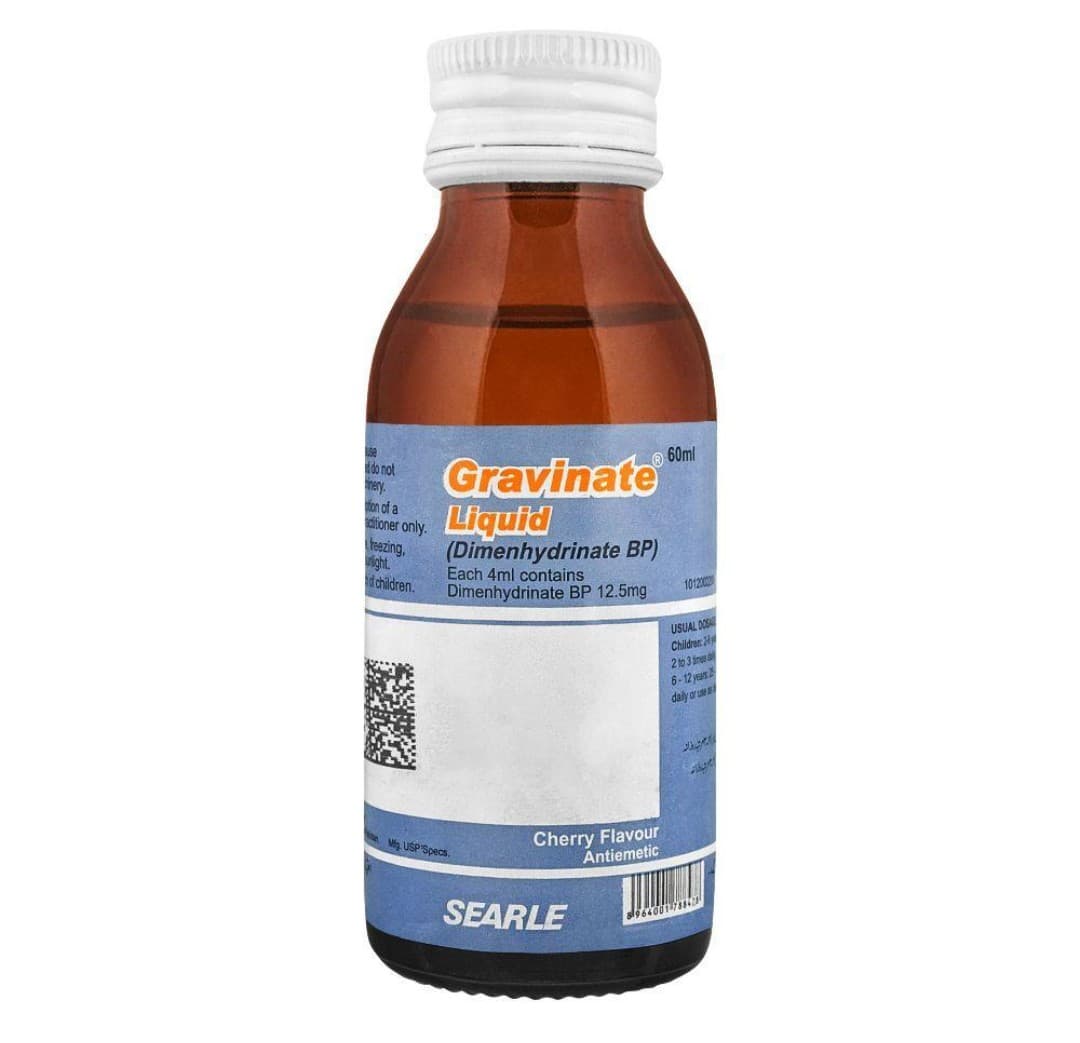
Doxylamine can cause drowsiness and dry mouth. Avoid driving if affected, and check for duplicate sedating antihistamines in sleep, cold, allergy, or travel-sickness products. Antiemetics are not interchangeable simply because their labels mention vomiting.
For constipation, consider gradual dietary fiber, adequate fluids, and suitable activity before adding medicines. Ask a pharmacist about persistent symptoms rather than using herbal “cleanses” or combination laxatives blindly.
Folic acid is preventive care, not symptom treatment. A common recommendation is 400 micrograms daily before conception and through the first 12 weeks; higher-risk patients may need a prescribed higher dose under local guidance. Check prenatal supplement labels to avoid duplication and avoid supplements containing vitamin A as retinol unless specifically advised.
Confirm every medicine and supplement dose with your doctor or pharmacist; formulations, medical history, and national guidance can change the recommendation.
Do not abruptly stop essential prescription treatment because a test becomes positive. Arrange prompt review, particularly for medicines with established pregnancy risks, such as isotretinoin, methotrexate, or valproate; the appropriate immediate action is medicine-specific. Avoid alcohol while pregnancy is possible, and seek support for stopping smoking or other substance use.
Common Mistakes and Confusions
Several errors change patient care:
- Using symptoms as confirmation: Breast soreness and nausea are suggestive, not diagnostic.
- Assuming contraceptive bleeding excludes pregnancy: Withdrawal bleeding and irregular spotting are not equivalent to a normal menstrual period.
- Repeating tests without a plan: Recheck timing, technique, symptoms, and the date of the latest exposure.
- Treating vomiting indefinitely: Continued poor intake needs assessment, even when an antiemetic provides temporary relief.
- Equating “natural” with safe: Herbal products may have uncertain ingredients, limited pregnancy evidence, or contamination risks.
Check the ingredient panel. A familiar-looking carton can contain a different strength or combination, especially when purchased from another manufacturer or country.
Quick Pharm D Notes
- Definition: Early pregnancy symptoms are nonspecific changes associated with early gestation.
- Classification: Symptoms are presumptive; hCG provides biochemical evidence, while imaging helps assess location and development.
- Mechanism: Placental and ovarian hormonal changes affect gastrointestinal, breast, renal, and other functions.
- Examples: Amenorrhea, nausea, fatigue, breast tenderness, and urinary frequency.
- Clinical significance: Separate normal variation from dehydration, infection, bleeding complications, and ectopic pregnancy.
- Exam point: A positive test does not prove viability; a negative early test does not always exclude pregnancy.
- Practice point: Medication reconciliation belongs at the first pregnancy-related consultation.
Frequently Asked Questions
Can pregnancy symptoms start before a missed period?
Yes, but fatigue, breast tenderness, and bloating overlap heavily with PMS. Symptoms before the expected period cannot reliably confirm pregnancy; use an appropriately timed test.
Can I be pregnant without any symptoms?
Yes. Some people have few or no early symptoms. Symptom absence does not invalidate a positive test or establish whether a pregnancy is progressing normally.
How soon after sex should I take a pregnancy test?
Test from the first day of a missed period. If you do not know when the period is due, test at least 21 days after the last unprotected sex.
Does a faint positive mean something is wrong?
Not necessarily. Line darkness varies with urine concentration, timing, and the device. Do not use line progression to monitor pregnancy health; seek assessment for pain or bleeding.
Is cramping normal in early pregnancy?
Mild, brief cramping can occur. Severe, persistent, worsening, or one-sided pain needs assessment, particularly with bleeding, shoulder-tip pain, dizziness, or fainting.
If my symptoms suddenly stop, have I miscarried?
Not necessarily; symptoms can fluctuate. Symptoms alone cannot diagnose miscarriage, but new bleeding, significant pain, or concern about pregnancy progression should prompt clinical advice.
Last-Minute Revision
- Symptoms suggest; testing investigates.
- Date pregnancy from the last menstrual period, with adjustment when appropriate.
- Interpret urine results within the label's reading window.
- Never infer pregnancy location from hCG alone.
- Prioritize pain, bleeding, fainting, and dehydration.
- Review medicines without blanket discontinuation advice.
References
- NHS: Signs and symptoms of pregnancy
- NHS: Doing a pregnancy test
- NICE NG126: Ectopic pregnancy and miscarriage—diagnosis and initial management
- ACOG: Morning sickness—nausea and vomiting of pregnancy
- NHS: Vitamins, supplements and nutrition in pregnancy
Important Medical Disclaimer
This article is for general educational purposes and is not a substitute for advice from a qualified doctor or pharmacist. Always consult your doctor/pharmacist before using any medicine, changing a dose, or starting treatment.
Related reading
If this article on Early Pregnancy Symptoms: Timing, Tests and Red Flags was helpful, explore these related guides for more practical information on similar topics.
- Gravinate Syrup Uses, Dosage Guidance and Side Effects — Learn when Gravinate syrup helps nausea and travel sickness, how to check the bottle strength, and which symptoms need care rather than a…
- Know the causes of white hair and easy ways to prevent it naturally — Learn why hair turns white, which natural habits support healthy growth, and when early greying needs medical checks rather than another…
- Define Hemorrhage: Detailed Pharm-D Notes and Safety — Understand hemorrhage through classification, mechanisms, morphology, clinical signs, and medicine-related risks, with clear exam notes a…
- Chronic Inflammation: Symptoms, Causes, Related Diseases & Treatment — Chronic Inflammation — Notes (Based on the Document) What is Chronic Inflammation? Chronic inflammation is a prolonged inflammatory respo…
- Accuracy and Precision: Definitions, Types and Examples — Revise accuracy and precision with pharmacy examples, types of precision, error calculations, and exam tips that separate repeatability f…
- What Is Zofran? Uses, Mechanism and Pharm-D Safety Notes — Understand ondansetron’s mechanism, approved uses, dosing principles and QT risks, with practical counseling and high-yield Pharm-D revis…