What Is Zofran? Uses, Mechanism and Pharm-D Safety Notes
Understand ondansetron’s mechanism, approved uses, dosing principles and QT risks, with practical counseling and high-yield Pharm-D revision notes.
By Dr. Amina Rahman, PharmD12 min read
Reviewed by Medical Review Team ·
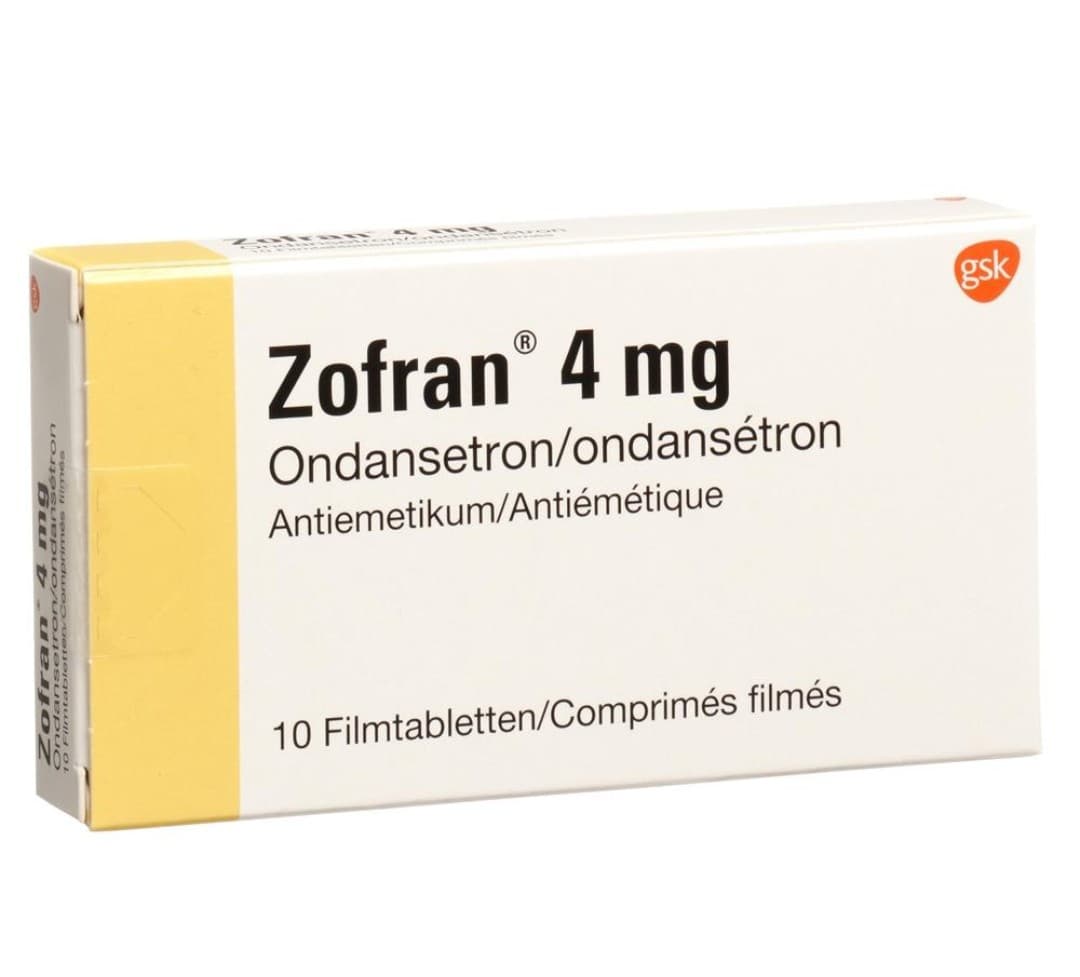
Zofran is a brand name for ondansetron, a selective serotonin 5-HT3 receptor antagonist used to prevent nausea and vomiting associated with chemotherapy, radiotherapy and surgery. It is an antiemetic, meaning a medicine that reduces nausea or vomiting, rather than a treatment for the underlying illness causing those symptoms.
These Pharm-D study notes are educational, not advertising for any company’s product. Compare generic preparations and other antiemetic options with a pharmacist; the right choice depends on the indication, formulation and patient’s risks.
Quick Answer / Overview
Ondansetron blocks vomiting signals from the gut and parts of the brain. Oral tablets, orally disintegrating tablets, oral solution and injectable preparations are available in some markets; availability and licensed indications vary by country.
It is not universally effective. Motion sickness, bowel obstruction and unexplained recurrent vomiting need different thinking, even when an antiemetic temporarily reduces symptoms.
For clinicians, the central question is not simply whether vomiting stops. Ask whether the cause has been assessed, hydration is recovering and treatment introduces an avoidable cardiac or gastrointestinal risk.
Key Definitions
- 5-HT: 5-hydroxytryptamine, another name for serotonin, a chemical messenger.
- 5-HT3 receptor antagonist: A medicine that blocks serotonin receptor subtype involved in vomiting.
- Chemotherapy-induced nausea and vomiting (CINV): Nausea or vomiting triggered by cancer treatment.
- Postoperative nausea and vomiting (PONV): Symptoms occurring after surgery and anesthesia.
- Orally disintegrating tablet (ODT): A tablet that breaks apart on the tongue and is swallowed with saliva.
- QT interval: An electrocardiogram measurement reflecting ventricular electrical activation and recovery; excessive prolongation can permit dangerous rhythms.
- Pharmacokinetics (PK): What the body does to a medicine. Pharmacodynamics (PD) describes what the medicine does to the body.
Mechanism: Blocking the Vomiting Signal
Chemotherapy can stimulate enterochromaffin cells in the intestine to release serotonin. Serotonin activates 5-HT3 receptors on vagal afferent nerves, which carry signals toward brainstem circuits coordinating vomiting.
Ondansetron interrupts this pathway. It also blocks central 5-HT3 receptors involved in emesis, including those in the area postrema, a brain region that detects circulating emetic substances.
A useful text flowchart is:
Emetic stimulus → intestinal serotonin release → vagal 5-HT3 activation → brainstem signaling → vomiting
Ondansetron blocks 5-HT3 signaling at peripheral and central sites.
Unlike metoclopramide, does not primarily block dopamine receptors or meaningfully accelerate gastric emptying. Unlike sedating antihistamines, it does not primarily target vestibular pathways responsible for travel sickness.
STICKY NOTE — Mechanism matters: A vomiting symptom does not identify the receptor pathway. Match the antiemetic to the likely cause, not merely to the symptom’s severity.
PK/PD: What Changes the Clinical Decision?
Oral undergoes first-pass metabolism, so the amount reaching systemic circulation is lower than the swallowed dose. Peak concentrations generally occur within about two hours; this does not guarantee that every patient will feel better at a fixed time.
The liver handles most clearance. CYP3A4, CYP2D6 and CYP1A2 contribute to metabolism, which helps explain why some enzyme-inducing medicines can reduce exposure.
The elimination half-life is usually several hours in adults but becomes substantially longer in severe hepatic impairment. That distinction matters when repeat doses accumulate: a familiar-looking prescription can be excessive for someone with markedly reduced liver clearance.
Routine dose adjustment is generally unnecessary for renal impairment under US labeling. Severe hepatic impairment is different and requires a lower maximum total daily dose.
An ODT is not an injection substitute. It improves administration without water, but most of the dose is swallowed; standard ODT should not be described as a rapid sublingual rescue product.
Indications: Where Fits—and Where It Does Not
Cancer treatment and surgery
Ondansetron has established roles in preventing nausea and vomiting associated with emetogenic chemotherapy, certain radiotherapy regimens and surgery. The approved indication must be checked against the specific formulation’s local label.
Combination treatment is often necessary. For highly emetogenic chemotherapy, contemporary protocols commonly combine medicines acting at different receptors, rather than relying on alone to cover every phase of nausea and vomiting.
Acute and delayed CINV are not interchangeable problems. The emetogenic risk of the regimen, prior response and accompanying prophylaxis determine whether a 5-HT3 antagonist is appropriate and what additional agents are needed.
Gastroenteritis and pregnancy
Clinicians sometimes use off-label to help selected patients tolerate oral rehydration during gastroenteritis. It does not treat infection, replace fluids or establish that discharge is safe.
Pregnancy requires a separate assessment. may be considered when other measures are insufficient, but studies have produced differing findings about small potential fetal risks, particularly with early exposure; timing, alternatives and the consequences of uncontrolled vomiting belong in the discussion.
Motion sickness and unexplained vomiting
Ondansetron is generally a poor choice for routine motion sickness because vestibular histamine and muscarinic pathways dominate. Likewise, repeated unexplained vomiting needs investigation, not an indefinitely renewed antiemetic.
Blood in vomit changes the plan. So do severe abdominal pain, a distended abdomen, a new neurological symptom or persistent inability to retain fluids.
Dosage Principles: Read the Indication Before the Number
There is no single universal dose. Route, age, indication, treatment timing, hepatic function and the accompanying antiemetic protocol all matter.
The following are selected US-label teaching examples, not a complete prescribing schedule. Confirm the exact dose, interval, duration and formulation with the treating doctor or pharmacist before administration.
| Situation | Educational label example or limit | What to verify |
|---|---|---|
| Adult oral prevention with moderately emetogenic chemotherapy | 8 mg before treatment, followed by 8 mg eight hours later; subsequent labeled dosing is 8 mg twice daily for to two days after chemotherapy | The first dose is given 30 minutes before chemotherapy; confirm the actual protocol |
| Severe hepatic impairment | Maximum total daily dose of 8 mg | Count every route and every product toward the total |
| Intravenous chemotherapy dosing | No single IV dose should exceed 16 mg | This is a safety ceiling, not a recommended default dose; use the indication-specific regimen |
| Pediatric treatment | Age-, weight- and indication-specific regimens apply | Do not scale down an adult dose by guesswork |
Injectable use also requires attention to dilution and administration rate. A correct milligram amount can still be administered incorrectly if staff use the wrong infusion instructions.
Do not automatically repeat a dose after vomiting. The amount absorbed is uncertain, and replacement instructions can differ by product and clinical setting; establish the timing and obtain specific advice.
IMPORTANT — Count the whole day: A tablet taken at home and an injection given in an emergency department are the same active medicine. Medication reconciliation must include both.
Side Effects and the QT Risk Assessment
Headache and constipation are common adverse effects. Fatigue or dizziness may also occur, although dehydration, anesthesia and other medicines can contribute to the same complaints.
Constipation deserves more than reassurance. In someone receiving opioids or recovering from abdominal surgery, reduced vomiting can conceal worsening gut dysfunction while stool passage, abdominal swelling and pain continue to deteriorate.
Ondansetron can prolong the QT interval, especially with higher intravenous exposure. Rarely, this contributes to torsades de pointes, a potentially fatal ventricular rhythm.
Who needs extra cardiac review?
Check for congenital long-QT syndrome, heart failure, bradyarrhythmias, previous unexplained fainting and other QT-prolonging medicines. Vomiting itself may lower potassium or magnesium, making the presenting illness part of the medicine’s risk profile.
US labeling advises avoiding in congenital long-QT syndrome. Correct relevant electrolyte abnormalities before IV administration and arrange ECG monitoring when risk factors warrant it; routine ECG testing is not necessary for every low-risk oral prescription.
Seek urgent care for fainting, a racing or irregular heartbeat, or severe dizziness. Breathing difficulty, facial swelling or collapse may indicate a serious allergic reaction and also require emergency assessment.
REMEMBER — Symptom relief is not cardiac clearance: A patient can stop vomiting while dehydration and electrolyte-related arrhythmia risk remain unresolved.
Precautions and Interactions Worth Checking
Apomorphine is a contraindicated combination. Concomitant use has been associated with profound hypotension and loss of consciousness. Previous serious hypersensitivity to or its ingredients is another contraindication.
Review serotonergic medicines, including SSRIs, SNRIs, tramadol and some other opioids. Product labeling warns about serotonin syndrome, particularly with concomitant serotonergic treatment, although the causal contribution of 5-HT3 antagonists remains debated.
Do not diagnose that syndrome from nausea alone. Agitation, fever, sweating, diarrhea, tremor, clonus or muscle rigidity—especially after a medicine change—require urgent evaluation.
Other practical checks include:
- QT-prolonging combinations: Review drugs such as methadone, certain antiarrhythmics, antipsychotics and selected antimicrobials. Assess cumulative risk rather than treating the interaction list as interchangeable warnings.
- Enzyme inducers: Carbamazepine, phenytoin and rifampicin can increase clearance and reduce exposure.
- Abdominal surgery or suspected obstruction: may mask progressive ileus or gastric distension. Follow abdominal findings, not vomiting frequency alone.
- Phenylketonuria: Some ODT formulations contain aspartame, a phenylalanine source. Check the actual excipient list.
- Breastfeeding or pregnancy: Review the specific circumstances and current references instead of applying a blanket “safe” or “unsafe” label.
Comparing Antiemetics Without Treating Them as Interchangeable
Alternatives have different strengths and limitations. Granisetron and palonosetron are same-class options, whereas metoclopramide and dimenhydrinate act through different pathways.
| Medicine | Main teaching distinction | Practical limitation |
|---|---|---|
| Ondansetron | Selective 5-HT3 blockade; established and perioperative roles | Constipation, QT precautions and indication-dependent coverage |
| Granisetron | Another 5-HT3 antagonist used in protocol-based antiemetic care | Doses and formulations are not interchangeable with ondansetron; check cardiac warnings |
| Palonosetron | Longer-acting 5-HT3 antagonist with a role in selected chemotherapy protocols | Longer action does not remove the need for protocol-specific combination therapy |
| Metoclopramide | Dopamine blockade plus prokinetic activity | Movement disorders and indication-specific duration restrictions |
| Dimenhydrinate | Antihistamine with vestibular activity; useful for motion sickness | Sedation and anticholinergic effects |
No option wins every scenario. Even products sharing as their active ingredient require checks of strength, route, excipients and local equivalence status; a shared INN alone does not establish identical exposure across formulations.
Pharmacy Practice: The “Two-Track” Response Check
A useful counseling approach separates symptom control from physiological recovery. Ask two sets of questions rather than accepting “the vomiting stopped” as the endpoint.
First, has nausea improved, and can the patient keep small, frequent amounts of oral rehydration solution down? Second, are urine output, alertness, dizziness, abdominal symptoms and overall fluid intake improving?
These tracks can diverge. Someone may vomit less yet remain dehydrated, or may develop increasing abdominal distension despite apparently successful antiemetic treatment.
Check the pack before dispensing. Confirm as the ingredient, distinguish milligrams from milliliters and supply an oral syringe for liquid doses. For ODT products, follow the packaging instructions and handle the tablet with dry hands; fragile tablets may need the foil peeled back rather than being pushed through.
Persistent low urine output, inability to drink, confusion, severe weakness or escalating pain calls for reassessment, not another unsupervised dose. In hot weather, fluid loss can make this distinction particularly urgent.
Common Mistakes and Exam Confusions
- “ODT means sublingual.” It does not. Disintegration on the tongue is not proof of substantial sublingual absorption.
- “All nausea responds similarly.” Vestibular illness, chemotherapy and gastric stasis involve different dominant pathways.
- “No vomiting means no obstruction.” Antiemetic response cannot exclude an acute abdominal cause.
- “A maximum dose is the usual dose.” A safety ceiling never replaces indication-specific prescribing.
- “Nonsedating means risk-free.” Less sedation than some alternatives does not remove cardiac or gastrointestinal hazards.
Quick Pharm D Notes
- Definition/classification: is an antiemetic and selective 5-HT3 receptor antagonist.
- Mechanism: It blocks peripheral vagal and central serotonin-mediated emetic signaling.
- Examples: Granisetron and palonosetron share the receptor class but have different pharmacokinetic and formulation characteristics.
- PK point: Hepatic metabolism predominates; severe liver impairment changes the daily dose ceiling.
- Clinical significance: Useful prophylaxis requires correct timing and, frequently, combination treatment.
- Safety point: Review QT susceptibility, electrolyte losses, constipation and interacting medicines.
- Exam point: is neither a dopamine-blocking prokinetic nor a preferred motion-sickness medicine.
Frequently Asked Questions
Is Zofran the same as ondansetron?
Zofran is a brand name; is the generic ingredient. Compare the formulation and strength, not just the name on the box. Brand availability varies by country.
How quickly does oral work?
Some people notice improvement within roughly an hour, but response varies. Timing depends on the cause, formulation and ability to retain the dose. Do not take extra solely because relief is delayed.
Does Zofran make you sleepy?
Ondansetron is generally less sedating than antihistamine antiemetics, but fatigue or dizziness can occur. Avoid driving if affected, and consider dehydration or accompanying medicines as possible contributors.
Can children take for a stomach bug?
Sometimes, under a clinician-directed plan. Use for gastroenteritis may be off-label, and suitability depends on age, weight, hydration and alternative diagnoses. Oral rehydration remains central; an adult prescription is not a pediatric dosing guide.
Is an antibiotic or an antacid?
Neither. It blocks selected vomiting signals but does not kill bacteria, neutralize acid or heal an ulcer. Persistent symptoms require cause-based assessment.
Can I take it every day for nausea?
Only within a reviewed treatment plan. Daily nausea may reflect medicines, pregnancy, metabolic disease or gastrointestinal pathology. Repeated use without reassessment can delay diagnosis and increase constipation or interaction risks.
Last-Minute Revision
- Identify the emetic pathway before selecting treatment.
- Separate oral, ODT and IV administration instructions.
- Remember the severe-hepatic-impairment ceiling: 8 mg total daily under US labeling.
- Avoid the apomorphine combination and use particular caution with cardiac risk factors.
- Check potassium and magnesium when clinically indicated, especially after substantial fluid loss.
- Judge success by hydration and clinical recovery, not vomiting counts alone.
References
- DailyMed: prescribing information. Check the specific oral, ODT or injection label for indications, dosing and warnings.
- FDA: QT prolongation with ondansetron.
- National Cancer Institute: Nausea and Vomiting Related to Cancer Treatment—Health Professional Version.
- MotherToBaby: pregnancy and breastfeeding fact sheet.
Important Medical Disclaimer
This article is for general educational purposes and is not a substitute for advice from a qualified doctor or pharmacist. Always consult your doctor/pharmacist before using any medicine, changing a dose, or starting treatment.
Related reading
If this article on What Is Zofran? Uses, Mechanism and Pharm-D Safety Notes was helpful, explore these related guides for more practical information on similar topics.
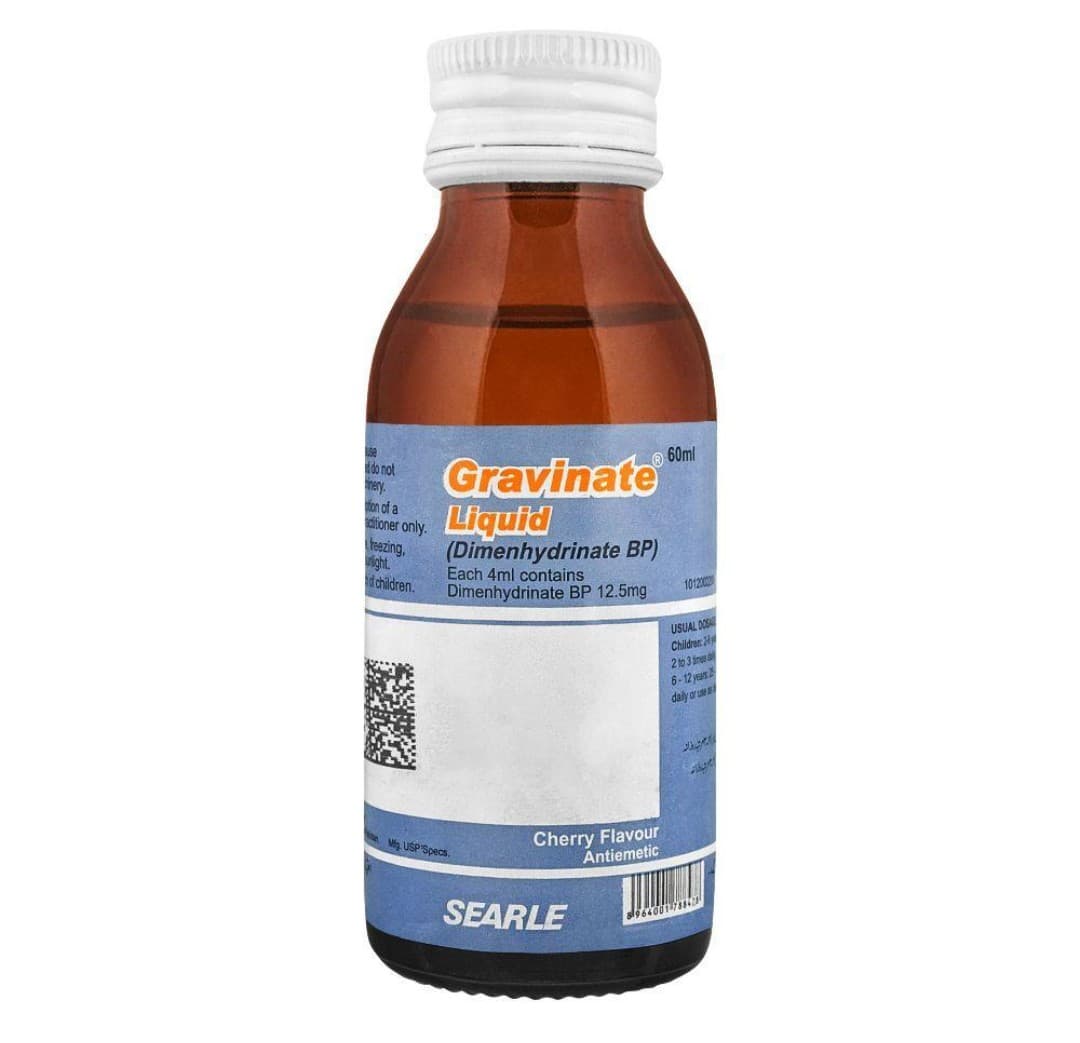
- Gravinate Syrup Uses, Dosage Guidance and Side Effects — Learn when Gravinate syrup helps nausea and travel sickness, how to check the bottle strength, and which symptoms need care rather than a…
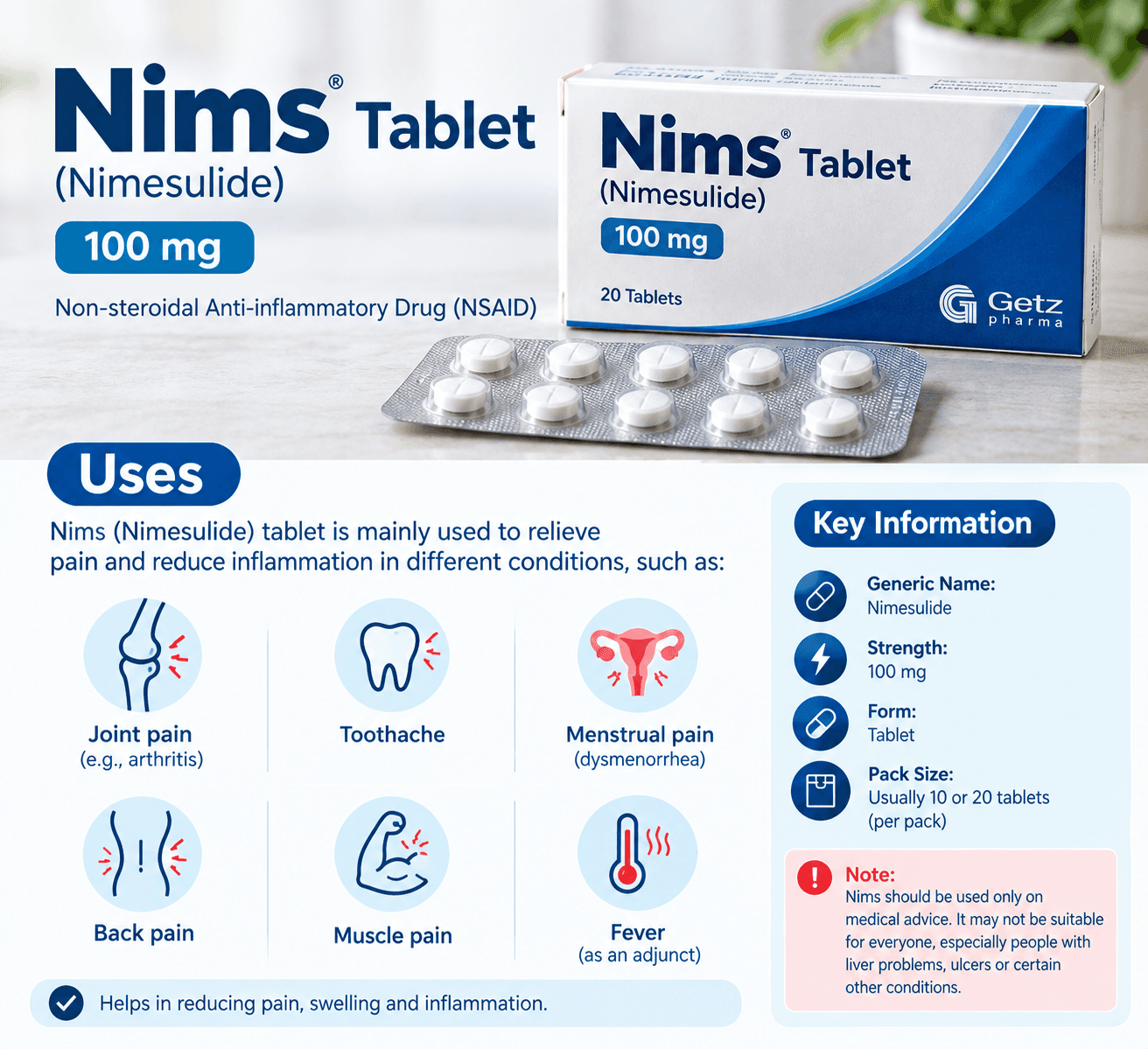
- Nims Tablet Uses: Pain Relief, Dose and Liver Safety — Learn what Nims tablets may treat, how to check the ingredient, and when to stop. Practical guidance on dosing, liver risks and safer pai…
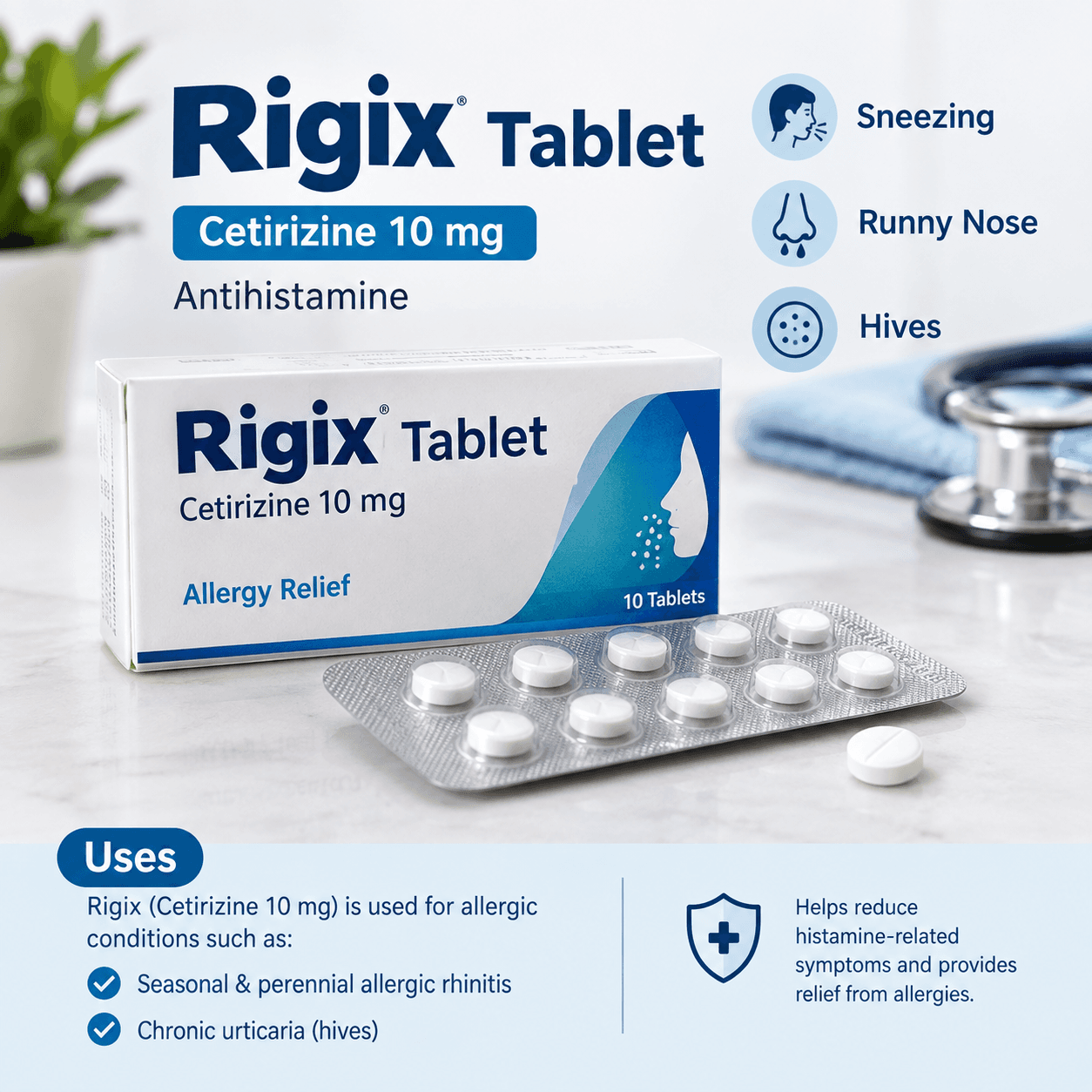
- Rigix Tablet Uses: Allergy Relief, Dose and Safety — Learn what Rigix treats, how to check its cetirizine strength, and when sleepiness, kidney problems or persistent itching need a pharmaci…
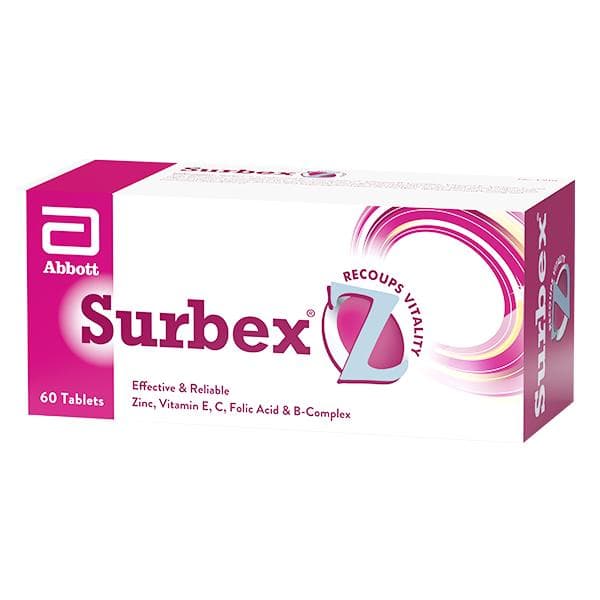
- Surbex Z Uses, Dosage and Side Effects: Patient Guide — Learn what Surbex Z can and cannot treat, how to check its ingredients, and when side effects or overlapping supplements need a pharmacis…
- Celbex Tablet Uses: Check the Ingredient and Use Safely — Check Celbex’s active ingredient before use, then learn about celecoxib pain relief, stomach and heart risks, interactions, and when to s…
- Calpol Syrup Uses: Fever, Pain and Safer Dosing Tips — Learn when Calpol syrup helps fever and pain, how to check its strength, and which dosing mistakes or symptoms need urgent attention in c…