Celbex Tablet Uses: Check the Ingredient and Use Safely
Check Celbex’s active ingredient before use, then learn about celecoxib pain relief, stomach and heart risks, interactions, and when to seek urgent help.
By Dr. Amina Rahman, PharmD13 min read
Reviewed by Medical Review Team ·
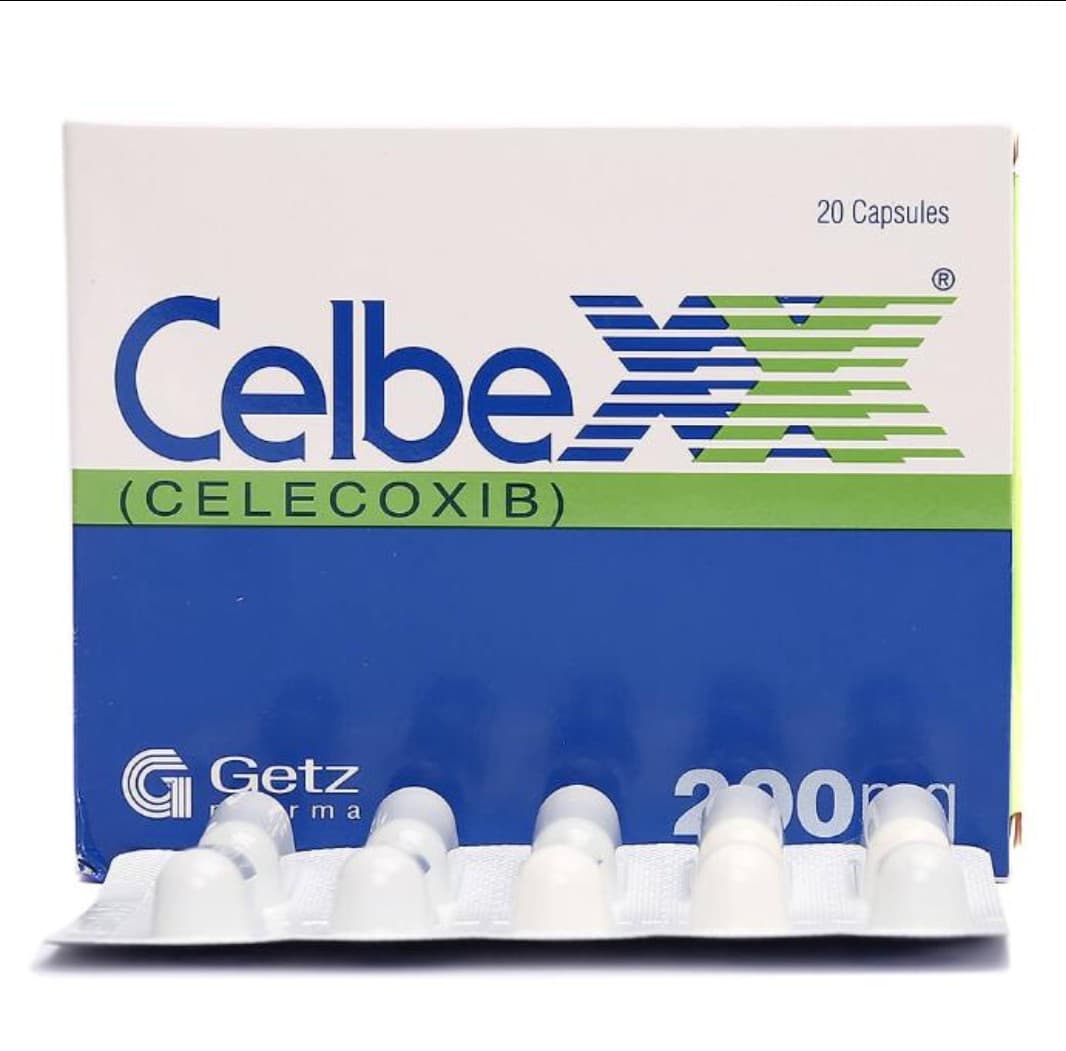
Celbex tablet uses depend on the ingredient printed on your pack: if it contains celecoxib, it is used for arthritis pain, inflammation, and certain short-term painful conditions. Celecoxib is a nonsteroidal anti-inflammatory drug (NSAID), not an antibiotic, and it can cause serious stomach, heart, or kidney problems.
Check the ingredient before taking it. The brand name alone does not establish the contents of your particular Pakistani pack; the guidance below applies only to confirmed celecoxib. This is educational information, not advertising for any company’s product. Compare suitable options with a pharmacist.
Quick Information
| Information | Details |
|---|---|
| Generic name | Celecoxib, only if confirmed on your Celbex label |
| Brand name(s) | Celbex: verify ingredient locally; Celebrex: another celecoxib brand, with availability varying by country |
| Drug class | NSAID; selective cyclooxygenase-2 (COX-2) inhibitor |
| Main uses | Osteoarthritis, rheumatoid arthritis, ankylosing spondylitis, and selected acute pain or menstrual pain |
| Available forms | Celecoxib commonly comes as capsules; verify the actual local formulation |
| Common strengths | Celecoxib capsules commonly include 100 mg and 200 mg; these are not confirmed Celbex pack specifications |
| Route | By mouth |
| Prescription / OTC | Prescription medicine in major reference markets; confirm Pakistani requirements locally |
| Common side effects | Indigestion, abdominal discomfort, diarrhoea, gas, dizziness, or swelling |
Introduction — What is Celbex?
People often call any oral medicine a “tablet,” even when the strip contains capsules. That distinction matters. Before the first dose, find the active ingredient, strength, and dosage form on the carton or foil, and match them against the prescription.
If the label names something other than celecoxib, this guide does not apply. Ask the dispensing pharmacist to identify it rather than relying on a similar spelling or a photograph online.
Confirmed celecoxib reduces pain and inflammation. It does not repair worn cartilage, cure autoimmune arthritis, or treat the infection behind an aching tooth. Availability without a prescription does not make unsupervised use safe.
How it works and when relief begins
Celecoxib mainly blocks COX-2, an enzyme involved in producing prostaglandins, chemical messengers that contribute to pain and swelling. Reducing these messengers can make movement more comfortable.
Relief may begin within hours. With arthritis, judging the overall benefit may take several days or longer, depending on the condition and prescribed regimen. Do not take extra capsules because the first dose seems slow.
Its selective action can reduce some gastrointestinal risks compared with certain traditional NSAIDs, but ulcers and bleeding remain possible. It is not a stomach-safe painkiller.
Uses: when doctors may recommend celecoxib
Osteoarthritis
Celecoxib may ease joint pain and stiffness when osteoarthritis makes walking, climbing stairs, or using the hands difficult. Exercise, physiotherapy, and weight management where appropriate still matter; pain relief does not reverse joint damage.
Rheumatoid arthritis and ankylosing spondylitis
It can reduce pain and stiffness from these inflammatory conditions. However, rheumatoid arthritis usually needs disease-modifying treatment to protect joints. Celecoxib is symptom relief, not a replacement for that treatment.
Short-term pain and menstrual cramps
A clinician may prescribe celecoxib for selected acute painful conditions or primary menstrual cramps. Approved indications differ between countries and products. Persistent pelvic pain, unusually heavy bleeding, or pain with possible pregnancy needs assessment rather than repeated painkiller use.
Situations it should not cover up
A hot, swollen joint with fever needs urgent assessment. So does dental pain with facial swelling. Temporary relief can hide worsening illness, and increasing the dose does not address the underlying cause.
Dose and how to take it
The exact dose depends on age, condition, formulation, and medical history; confirm it with your doctor or pharmacist. Use the lowest effective dose for the shortest necessary time. A strength printed on a strip is not a complete dosing instruction.
Adult prescriptions may involve once-daily or twice-daily dosing, depending on the indication. Do not convert between schedules yourself. Children need specialist assessment; adult capsules must not be divided by guesswork to create a child’s dose.
Celecoxib can generally be taken with or without food, although some higher-dose instructions specify food. Follow your own label. Taking it after a meal may ease indigestion, but food does not prevent an ulcer or bleeding.
Swallow capsules with water. Do not crush, chew, or open them unless a pharmacist confirms that your specific product permits an alternative administration method; some reference capsules have particular instructions for swallowing difficulties.
Keep a written schedule if several people help with medicines. A second caregiver should not give another dose simply because pain remains.
Side effects: what to watch for
Mild effects can include indigestion, abdominal discomfort, diarrhoea, gas, or dizziness. New ankle swelling or a rise in blood pressure also deserves attention, particularly in someone with heart or kidney disease. Do not dismiss these as ordinary ageing.
For mild stomach upset, check food instructions and ask about continued treatment if symptoms persist. Do not add another painkiller to compensate.
Stop taking it and seek urgent medical help for:
- Black, sticky stools; vomiting blood; or vomit resembling coffee grounds.
- Chest pain, sudden breathlessness, one-sided weakness, or slurred speech.
- Facial or throat swelling, wheezing, or difficulty breathing.
- A spreading rash, blisters, peeling skin, or mouth sores.
Markedly reduced urine, rapidly increasing swelling, yellow eyes, or dark urine also requires prompt assessment. Serious bleeding can occur without earlier indigestion.
Warnings and precautions
Pregnancy, breastfeeding, and fertility
Do not self-treat during pregnancy. NSAIDs should generally be avoided from around 20 weeks unless specifically directed by a clinician because of fetal kidney problems and low amniotic fluid; risks later in pregnancy include premature closure of an important fetal blood vessel.
Breastfeeding advice depends on the infant and maternal circumstances. Celecoxib enters milk in low amounts, but suitability still needs checking, especially for a premature or unwell baby. Mention if you are trying to conceive because NSAIDs can temporarily affect ovulation.
Older adults and children
Older adults face greater bleeding and kidney risks, sometimes without obvious warning symptoms. A medicine review is useful before repeat supplies.
Some countries approve celecoxib for particular childhood arthritis indications. That does not make it a routine children’s painkiller. Paediatric use needs a specialist’s diagnosis and weight-based prescription.
Kidney, liver, heart, and stomach problems
Tell the prescriber about previous ulcers, digestive bleeding, kidney disease, liver disease, high blood pressure, heart failure, stroke, or heart attack. Dose adjustment, monitoring, or a different treatment may be necessary.
Dehydration raises kidney risk. During Pakistan’s hot weather, vomiting, diarrhoea, or poor fluid intake can turn a previously tolerated NSAID into a problem. Ask whether to pause it when you cannot drink normally; do not simply continue while barely passing urine.
Drug interactions: check the whole medicine bag
Bring prescription medicines, over-the-counter products, vitamins, and herbal remedies to the pharmacist. Different brand names can conceal duplicate treatment.
| Medicine or product | Why it matters |
|---|---|
| Ibuprofen, diclofenac, naproxen, or another NSAID | Combining them increases harm without reliably improving relief |
| Aspirin, clopidogrel, warfarin, or other blood thinners | Bleeding risk can increase |
| ACE inhibitors, ARBs, and diuretics | Kidney injury and reduced blood-pressure control are concerns, especially during dehydration |
| Corticosteroids and some antidepressants | Digestive bleeding risk can rise |
| Lithium or methotrexate | Medicine levels or toxicity may increase; monitoring may be needed |
| Fluconazole | Can increase celecoxib exposure and may require prescribing changes |
Celecoxib does not replace prescribed low-dose aspirin for cardiovascular protection. Do not stop aspirin yourself; ask the prescriber to review the combination.
Avoid alcohol, particularly heavy drinking, because it adds gastrointestinal risk. Herbal products are not automatically harmless, and supplements that affect bleeding also need review.
Who should not use it?
Do not take confirmed celecoxib if you have a known allergy to it, a previous serious reaction to sulfonamide medicines covered by the product warning, or asthma, hives, or another allergic-type reaction after aspirin or an NSAID.
It must not be used for pain around coronary artery bypass graft surgery. Active gastrointestinal bleeding requires urgent medical care, not another dose.
Severe kidney or liver impairment, significant cardiovascular disease, and pregnancy may make treatment unsuitable or contraindicated under the applicable label. A prescriber must check these circumstances. Share the actual reaction history rather than saying only that a medicine “did not suit you.”
Overdose: get help rather than waiting
An overdose may cause nausea, vomiting, stomach pain, or unusual drowsiness. More serious poisoning can involve bleeding, kidney injury, or breathing problems. Symptoms may not appear immediately.
If too much was taken, or a child swallowed any accidentally, contact an emergency service or go to the nearest emergency department promptly. Take the packaging and remaining medicine. Note the amount, time, and other medicines involved if known.
Do not induce vomiting or try a home remedy. Do not wait for symptoms before seeking advice.
Missed dose: never double up
For a regular schedule, take the missed dose when remembered unless it is nearly time for the next one. In that case, skip it and resume the usual schedule. Never double the dose without medical advice.
If it was prescribed only when needed, there may be no missed dose to replace. Follow the maximum frequency on your prescription rather than inventing a catch-up schedule.
How long is it used, and can you stop?
Acute pain may need only a short course. Arthritis sometimes requires longer treatment, with periodic review of benefit, blood pressure, kidney function, and other tests when appropriate.
Celecoxib does not usually require tapering to prevent withdrawal. However, pain may return after stopping, so discuss an ongoing arthritis plan rather than repeatedly restarting leftover capsules.
Agree on a treatment goal. Being able to walk to the bathroom more comfortably is a clearer benefit than simply “feeling better.” If function does not improve, or swelling and breathlessness appear, request a review instead of automatically renewing it.
Storage and expired medicine
Follow the pack’s stated storage conditions. Keep the medicine dry, away from direct sunlight and excessive heat, and in its original labelled packaging. A parked car or a shelf beside the cooker is unsuitable.
Keep it out of children’s sight and reach. Do not use expired medicine or strips damaged by moisture. Ask a pharmacy about safe disposal; do not pass leftover prescription painkillers to relatives.
Forms and strengths: avoid a strip-level mistake
Celecoxib commonly comes in capsules, including 100 mg and 200 mg strengths. Other strengths or formulations exist in some markets, but this does not confirm what Celbex contains locally.
Check every refill. A familiar colour is not identification, and two different strengths may look similar. If you receive a loose strip without clear ingredient and strength information, ask for the labelled carton or pharmacist verification before taking it. Never assume an injection, gel, or liquid with a similar name is interchangeable.
Brand comparison: compare contents, not promises
Once the ingredient is verified, a Celbex product containing celecoxib can be compared with other celecoxib products. Celebrex is another brand name for celecoxib internationally; that is not a claim about its availability in Pakistan.
The relevant checks are the same: ingredient, strength, dosage form, manufacturer details, expiry, and an intact supply from a licensed pharmacy. Neither a higher price nor a familiar name proves that a product is right for you.
The same ingredient does not establish identical bioavailability or automatic interchangeability. Ask a pharmacist or clinician before switching. Other NSAIDs are treatment alternatives, not milligram-for-milligram substitutes.
Common misconceptions
- Myth: It cures arthritis. Truth: It relieves symptoms but does not reverse joint damage.
- Myth: COX-2 selectivity means no stomach bleeding. Truth: Serious bleeding remains possible, especially with aspirin or anticoagulants.
- Myth: Another painkiller makes it work better. Truth: Another NSAID can create a dangerous duplicate.
- Myth: Pain relief proves the problem is minor. Truth: Infection and other serious conditions can briefly feel better after a painkiller.
Patient FAQ
Is Celbex an antibiotic?
If its ingredient is celecoxib, no. It reduces pain and inflammation but does not kill bacteria or replace treatment for an infection.
Can I take it after food?
Usually, yes. Follow the specific product directions. Food may reduce discomfort, but it cannot reliably prevent an ulcer or gastrointestinal bleeding.
Will it make me sleepy, and can I drive?
Dizziness can occur. Avoid driving or operating machinery if you feel dizzy, unusually sleepy, or unable to concentrate after taking it.
Is it addictive?
Celecoxib is not an opioid and is not considered addictive. Nevertheless, frequent reliance on it needs review because harm can accumulate without dependence.
Can I take paracetamol with it?
Sometimes clinicians recommend that combination, but check first for liver disease and paracetamol hidden in cold or combination pain products. Follow the approved dosing instructions for both.
Can I use it for toothache?
It may temporarily reduce pain if prescribed appropriately. It cannot fix decay or an abscess. Facial swelling, fever, or difficulty swallowing needs urgent dental or medical assessment.
Is it safe during pregnancy or breastfeeding?
Pregnancy requires particular caution, especially from 20 weeks onward. Breastfeeding suitability should be checked individually. Do not assume that advice for one situation applies to the other.
What if I develop acidity or stomach pain?
Persistent discomfort needs review. Stop and seek urgent help for severe pain, black stools, or vomiting blood; an antacid must not be used to conceal warning symptoms.
Can I take it every day for back pain?
Not without reassessment. Persistent back pain needs a treatment plan. New leg weakness, saddle-area numbness, or loss of bladder or bowel control requires emergency assessment.
How can I check its price in Pakistan?
Ask licensed pharmacies about the exact verified ingredient, strength, dosage form, and pack size. Prices change. Compare like-for-like products and avoid unlabelled strips or unverified online sellers.
Sources
- US National Library of Medicine, DailyMed: celecoxib capsule prescribing information and NSAID Medication Guide.
- MedlinePlus: Celecoxib drug information.
- US Food and Drug Administration: warning to avoid NSAIDs at 20 weeks of pregnancy or later unless directed by a healthcare professional.
These references support celecoxib guidance; they do not verify the identity or registration of a particular Pakistani Celbex pack.
Important Medical Disclaimer
This article is for general educational purposes only and is not a substitute for advice from a qualified doctor or pharmacist. Always consult your doctor/pharmacist before using any medicine, changing a dose, or starting treatment.
Related reading
If this article on Celbex Tablet Uses: Check the Ingredient and Use Safely was helpful, explore these related guides for more practical information on similar topics.
- Nims Tablet Uses: Pain Relief, Dose and Liver Safety — Learn what Nims tablets may treat, how to check the ingredient, and when to stop. Practical guidance on dosing, liver risks and safer pai…
- Ascard Tablet Overview: Uses, Dosage and Safe Use Tips — Understand what Ascard contains, why doctors prescribe it, and how to avoid bleeding risks, missed-dose mistakes and unsafe tablet substi…
- Rigix Tablet Uses: Allergy Relief, Dose and Safety — Learn what Rigix treats, how to check its cetirizine strength, and when sleepiness, kidney problems or persistent itching need a pharmaci…
- betnelan tablet uses in urdu — بیٹنیلان ٹیبلٹ کس لیے استعمال ہوتی ہے؟ اگر آپ کے ڈاکٹر نے آپ کو Betnelan Tablet لینے کا کہا ہے اور آپ سوچ رہے ہیں کہ آخر یہ دوا ہے کیا، ت…
- Solid Dosage Formulation Principles — Binders, disintegrants, and compression science for tablet development.
- Tegral tablet uses in urdu — Tegral Tablet Uses in Urdu — مکمل معلومات، استعمال، خوراک اور احتیاط جب کسی شخص کو ڈاکٹر Tegral Tablet استعمال کرنے کا مشورہ دیتا ہے تو ا…