Plant-Derived Alkaloids: Is Kratom Itself an Alkaloid?
From isolation to therapeutic application — a structured review for pharmacy curricula.
By Sarah Chen, MSc4 min read
Reviewed by Dr. Khalid Mehmood, MD ·
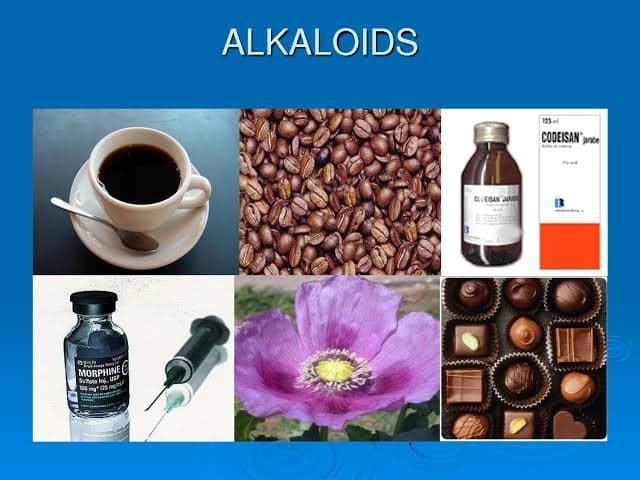
Alkaloids are nitrogen-containing secondary metabolites that still occupy a central place in pharmacognosy and drug discovery. Morphine, atropine, quinine, vincristine, and galantamine all began as plant isolates. For pharmacy students, the goal is not to memorize every structure, but to connect biosynthesis, extraction logic, and clinical use.
Chemical families and typical sources
Most teaching classifications group alkaloids by the amino-acid precursor or by the heterocyclic core: tropane (Atropa, Datura), isoquinoline (Papaver, Berberis), indole (Rauwolfia, Catharanthus), quinoline (Cinchona), and pyridine/piperidine (Nicotiana, Conium). The nitrogen is often protonated at physiologic pH, which explains both salt formation for isolation and receptor-level activity in the nervous system.
Distribution in the plant is rarely uniform. Latex, bark, root, or seed may concentrate the target compound. Harvest season and drying conditions change yield and the ratio of related alkaloids — a practical reminder that “the plant” is not a single chemical entity.
Isolation in the teaching laboratory
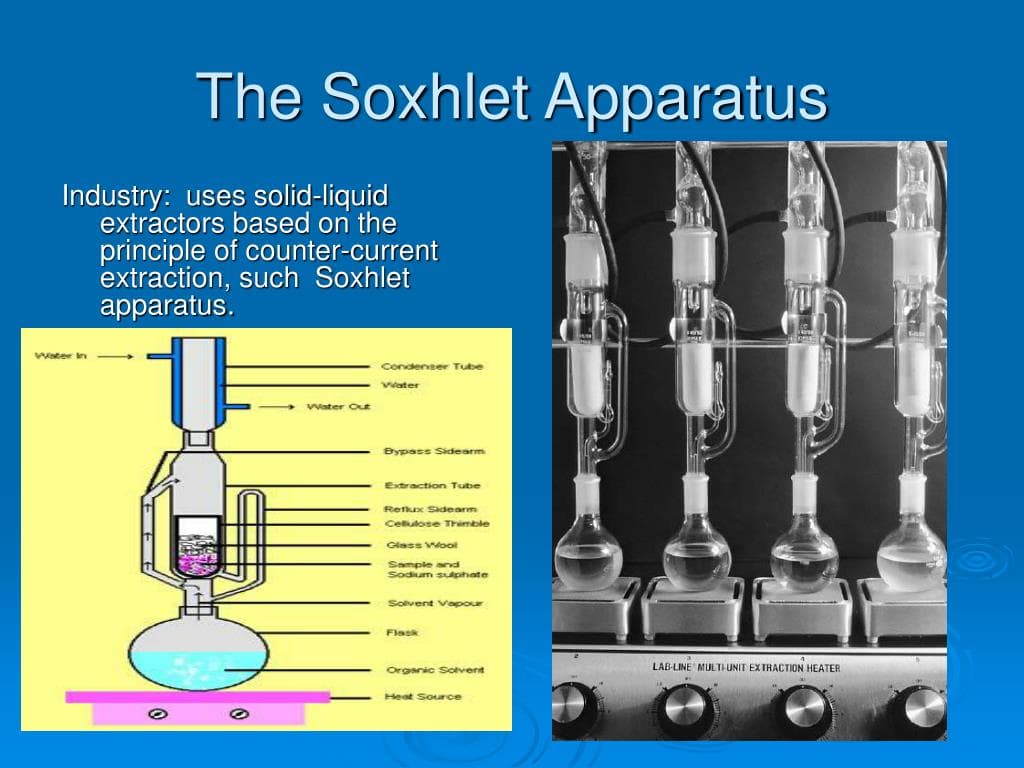
Classic acid–base workup still illustrates the chemistry: extract the powdered drug with alcohol or acidified water, basify to free the alkaloids, then partition into a water-immiscible organic solvent. Stas–Otto and similar schemes remain useful demonstrations even when industry has moved to chromatography and supercritical extraction. Thin-layer chromatography with Dragendorff or Mayer reagents is a fast identity screen before HPLC or LC–MS confirmation.
- Record moisture and ash values; they affect apparent yield.
- Protect light-sensitive indoles and tropanes during workup.
- Never treat an unknown plant as food-grade — many alkaloids are toxic at milligram doses.
From natural product to medicine
Modern use splits into three paths: the natural compound as the drug (morphine, atropine), a semi-synthetic analogue (heroin historically, or camptothecin derivatives in oncology), and a pharmacophore that inspires fully synthetic series. Pharmacognosy therefore sits next to medicinal chemistry, not in opposition to it. Quality questions remain botanical: authentication of crude drugs, adulteration, and residual solvent or pesticide limits when extracts are formulated.
Clinically, students should pair each prototype with its receptor story and its toxicity: anticholinergic delirium with tropanes, respiratory depression with opioids, arrhythmia risk with some cardiac glycosides that travel in the same materia medica discussions. That pairing is what makes alkaloid teaching relevant to safe pharmacy practice rather than a list of Latin binomials.
Is Kratom Itself an Alkaloid?
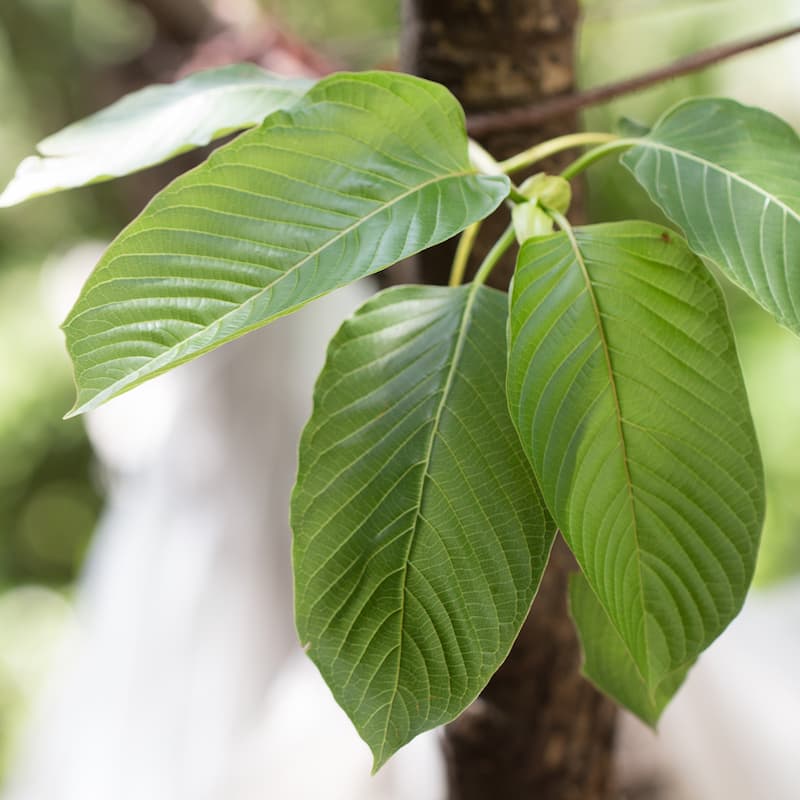
Nope. This trips a lot of people up though. Kratom is just a plant — Mitragyna speciosa if you want the fancy name — grows wild across Southeast Asia, part of the Rubiaceae family (same family coffee's in, funny enough).
Here's where the confusion starts. The leaves are loaded with all kinds of chemicals, and alkaloids are just piece of that. When people bring up kratom's effects, they're really talking about two alkaloids sitting inside those leaves — mitragynine and 7-hydroxymitragynine. That's it, that's the pair everyone means.
Mitragynine's the big one. Way more of it in the leaf than the other one. 7-hydroxymitragynine's there too, just in tiny amounts by comparison — almost a side character next to mitragynine.
So bottom line: kratom = the plant. Mitragynine and 7-hydroxymitragynine = what's inside the plant. Two different things, and yeah, this exact distinction has a habit of showing up in exams, so it's worth not mixing them up.
One more thing for the chemistry side — both these alkaloids fall under indole alkaloids. Totally different family from purine alkaloids (caffeine's crew) or tropane alkaloids (atropine's crew). Different ring, different origin, nothing structurally in common really.
Quick line to keep in your head: kratom's the plant, not the alkaloid — and mitragynine's the doing most of the work in there.
Opium Alkaloids and Their Chemical Structures: A Complete…
Alkaloids: Definition, Characteristics, Classification
Related reading
If this article on Plant-Derived Alkaloids: Is Kratom Itself an Alkaloid? was helpful, explore these related guides for more practical information on similar topics.
- Purine Alkaloids: Caffeine, Theophylline & Theobromine — What are Purine Alkaloids? Purine alkaloids are nitrogen-containing natural products based on the purine/xanthine structural system . The…
- Extraction Methods of Alkaloids — Extraction Methods of Alkaloids: A Simple Pharm D Guide Introduction If you've studied pharmacognosy even a little, you already know alka…
- Limit of Detection (LOD): Method of Determination Explained Simply — How Is the Limit of Detection (LOD) Actually Determined? When an analytical method is validated — an HPLC assay, a UV method, even a simp…
- Adverse Drug Reaction Reporting Systems — Pharmacovigilance fundamentals for students and practicing pharmacists.