Alkaloids: Definition, Characteristics, Classification
Alkaloids are defined as a group of naturally occurring chemical compounds that mostly contain basic nitrogen atoms. The term "alkaloid" historically refers to substances with properties resembling alkalis. However, not
By Dr. Khalid Mehmood, MD2 min read
Reviewed by Medical Review Team ·
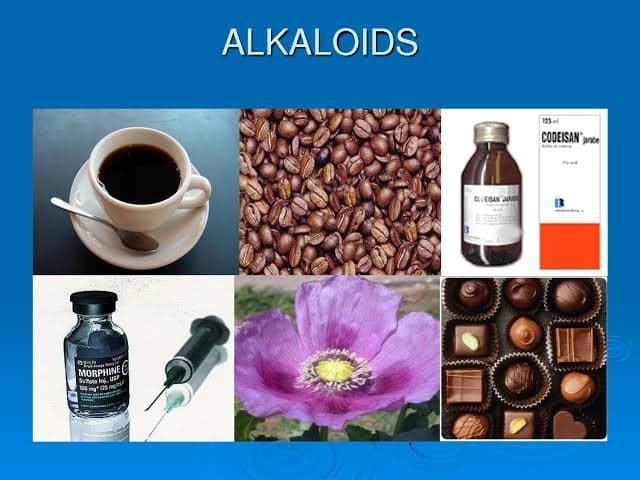
Examples of alkaloids
- Morphine
- Quinine
- Atropine
- Scopolamine
- Nicotine
- Caffeine
- Cocaine
- Reserpine
For more details
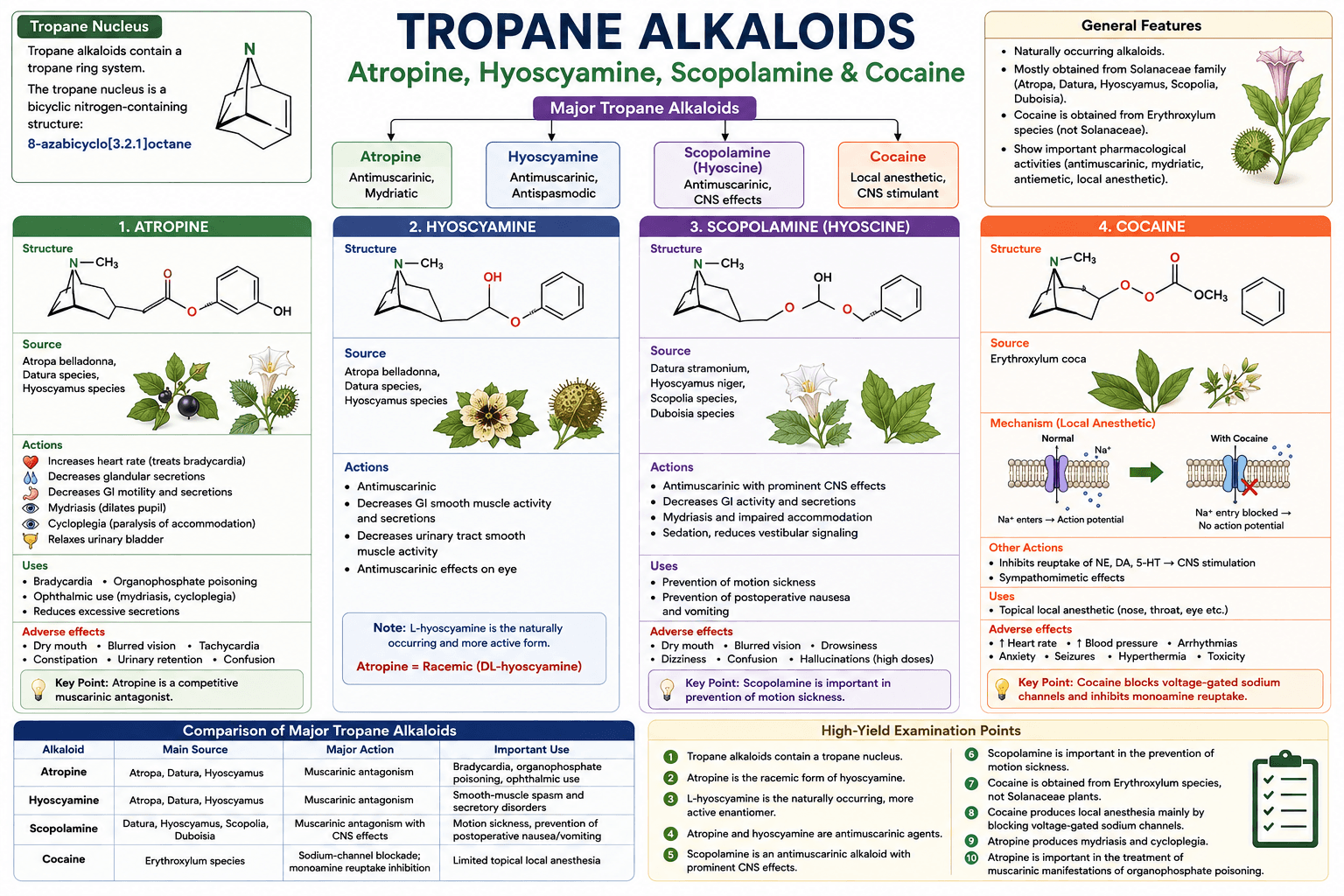
Tropane Alkaloids: Atropine, Hyoscyamine, Scopolamine & Cocaine
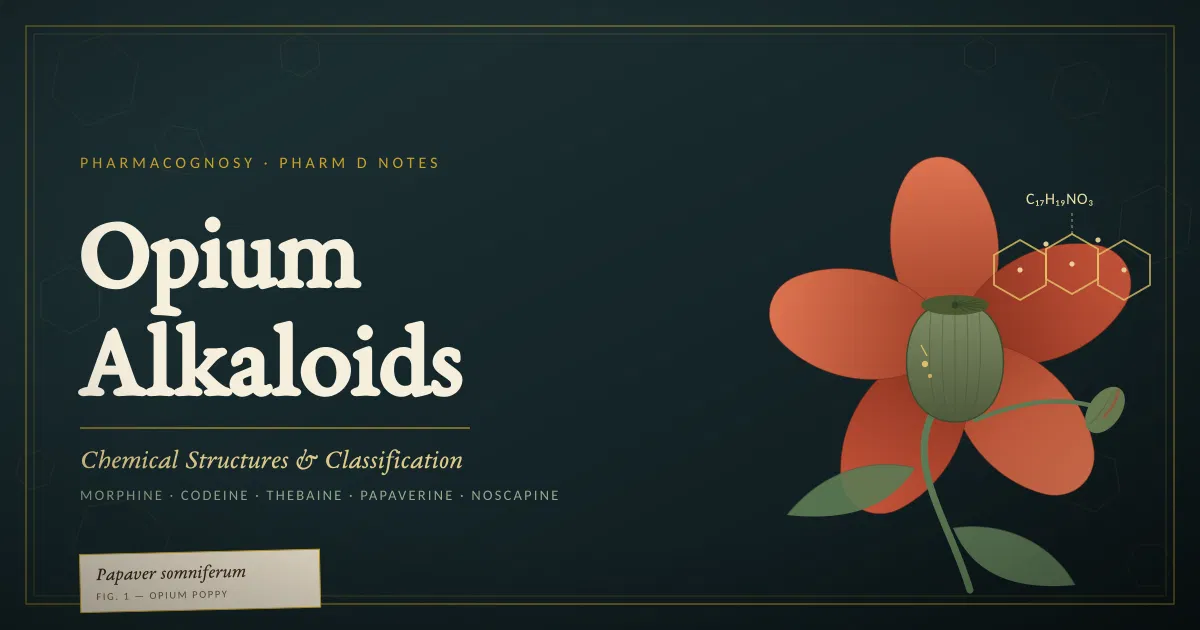
Purine Alkaloids: Caffeine, Theophylline & TheobromineOpium Alkaloids and Their Chemical Structures: A Complete
General Characteristics of AlkaloidsMost alkaloids have the following characteristics:
- They contain nitrogen.
- Many have a heterocyclic nitrogen-containing ring.
- They are commonly produced by plants as secondary metabolites.
- Many have a pronounced effect on the human body.
- Many alkaloids are basic, although important exceptions exist.
- Their free bases are often soluble in organic solvents, while their salts are generally more soluble in water.
- They may occur in plants as salts of organic acids.
- Many are pharmacologically active even in relatively small quantities.
- They can be identified by chemical and chromatographic methods.
Important point:
Do not write that all alkaloids are strongly basic. Purine alkaloids such as caffeine are weakly basic or essentially neutral in ordinary acid-base behavior.
| Class | Biosynthetic Precursor | Examples |
|---|---|---|
| Pyrrolidine alkaloids | Ornithine | Hygrine |
| Tropane alkaloids | Ornithine | Atropine, Hyoscine, Cocaine |
| Pyridine–Piperidine alkaloids | Lysine | Nicotine, Lobeline |
| Quinoline alkaloids | Tryptophan | Quinine, Quinidine |
| Isoquinoline alkaloids | Tyrosine | Morphine, Codeine, Papaverine |
| Indole alkaloids | Tryptophan | Reserpine, Vincristine, Ergot alkaloids |
| Imidazole alkaloids | Histidine | Pilocarpine |
| Steroidal alkaloids | Cholesterol (not amino acid) | Solanidine |
| Purine alkaloids | Purine nucleotide pathway (not amino acid) | Caffeine, Theobromine, Theophylline |
Related reading
If this article on Alkaloids: Definition, Characteristics, Classification was helpful, explore these related guides for more practical information on similar topics.
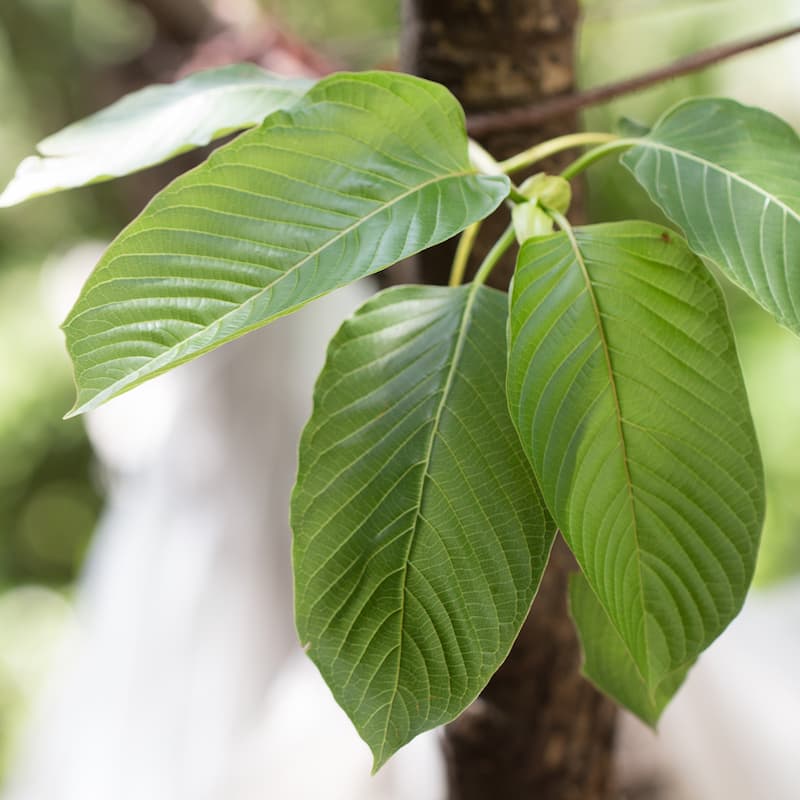
- Plant-Derived Alkaloids: Is Kratom Itself an Alkaloid? — From isolation to therapeutic application — a structured review for pharmacy curricula.
- Extraction Methods of Alkaloids — Extraction Methods of Alkaloids: A Simple Pharm D Guide Introduction If you've studied pharmacognosy even a little, you already know alka…
- Understanding Drug–Drug Interactions in Clinical Pharmacy Practice — A practical overview of clinically significant interactions.