Immunization Updates for Pharmacy Practice
Seasonal recommendations and workflow tips for pharmacy-based vaccination services.
By Dr. Amina Rahman, PharmD3 min read
Reviewed by Dr. Khalid Mehmood, MD ·
Pharmacy-based immunization has moved from a seasonal add-on to a core public-health service. Pharmacists who vaccinate need more than a standing-order signature: they need current recommendations, screening for contraindications, safe administration technique, and documentation that the rest of the care team can see. Annual schedules change; the professional habit is to check the official calendar, not last year’s pocket card.
Build the visit around screening, not the syringe
Every encounter starts with identity, age, pregnancy status where relevant, immunosuppression, prior doses and dates, and allergy history — especially anaphylaxis to a vaccine component. Distinguish precaution from contraindication. A mild illness is rarely a reason to delay; uncontrolled moderate-to-severe illness may be. Live vaccines have additional rules around pregnancy, CD4 count, and recent antibody-containing products.
Obtain informed consent in plain language: disease prevented, common local reactions, rare serious risks, and what to do after hours. Observe the recommended post-vaccination wait when policy requires it, and keep anaphylaxis kits in date with staff who have practiced the protocol, not read it.
Operational points that protect patients
- Cold chain: monitor twice daily, use a dedicated pharmaceutical fridge, and have a written excursion plan.
- Preparation: reconstitute when you will administer; label multi-dose vials with beyond-use time.
- Route and site: intramuscular versus subcutaneous errors change immunogenicity and reactogenicity. Use age-appropriate needle length.
- Documentation: lot number, site, VIS or equivalent information date, and a record the patient can carry to their physician.
- Waste and sharps: needle, syringe, immediate disposal.
Stay current without drowning in circulars
Assign pharmacist to review national immunization updates each month and brief the team in five minutes: new age indications, interval changes, co-administration rules, and high-risk groups (pregnancy, asplenia, chronic lung or heart disease, travel). Align influenza, COVID-19, pneumococcal, herpes zoster, RSV, and HPV offers with what your jurisdiction authorizes pharmacists to administer.
Pharmacy immunization works when it is a clinic inside the shop: appointment options for anxious patients, standing rooms that protect privacy, and a referral path for complex immunosuppression. The injection is the short part; the clinical judgment around who should receive which product, and when, is the professional service.
Related reading
If this article on Immunization Updates for Pharmacy Practice was helpful, explore these related guides for more practical information on similar topics.
- nuberol forte uses in urdu — نیوبیرول فورٹ (Nuberol Forte): استعمالات، ترکیبِ عمل اور Pharm D نوٹس تعارف پاکستان میں کمر درد، موچ، یا پٹھوں کی اکڑن کے لیے Nuberol For…
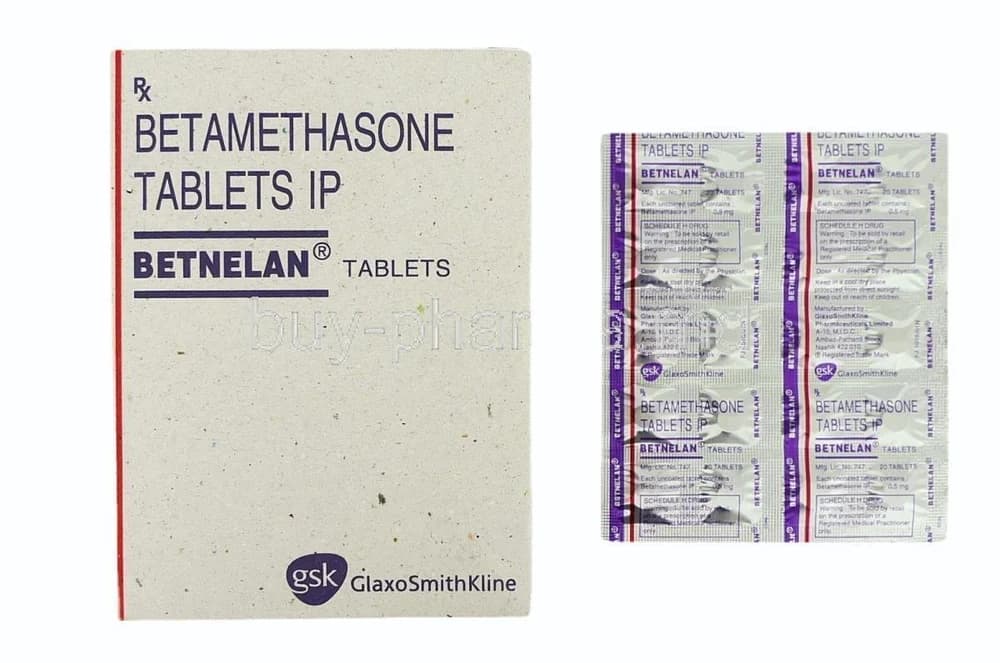
- betnelan tablet uses in urdu — بیٹنیلان ٹیبلٹ کس لیے استعمال ہوتی ہے؟ اگر آپ کے ڈاکٹر نے آپ کو Betnelan Tablet لینے کا کہا ہے اور آپ سوچ رہے ہیں کہ آخر یہ دوا ہے کیا، ت…
- Solid Dosage Formulation Principles — Binders, disintegrants, and compression science for tablet development.
- osnate d tablet uses in urdu — Osnate-D Tablet Uses in Urdu | استعمال، فوائد، اجزاء، طریقہ استعمال اور مکمل معلومات Osnate-D Tablet ہڈیوں کی صحت سے متعلق ایک دوا ہے جس…
- Inflamatix tablet uses in urdu — Inflamatix Tablet کے بارے میں وہ باتیں جو اکثر نہیں بتائی جاتیں سیدھی بات پہلے کر لیتے ہیں۔ اگر ڈاکٹر نے آپ کو Inflamatix لکھ کر دی ہے یا…
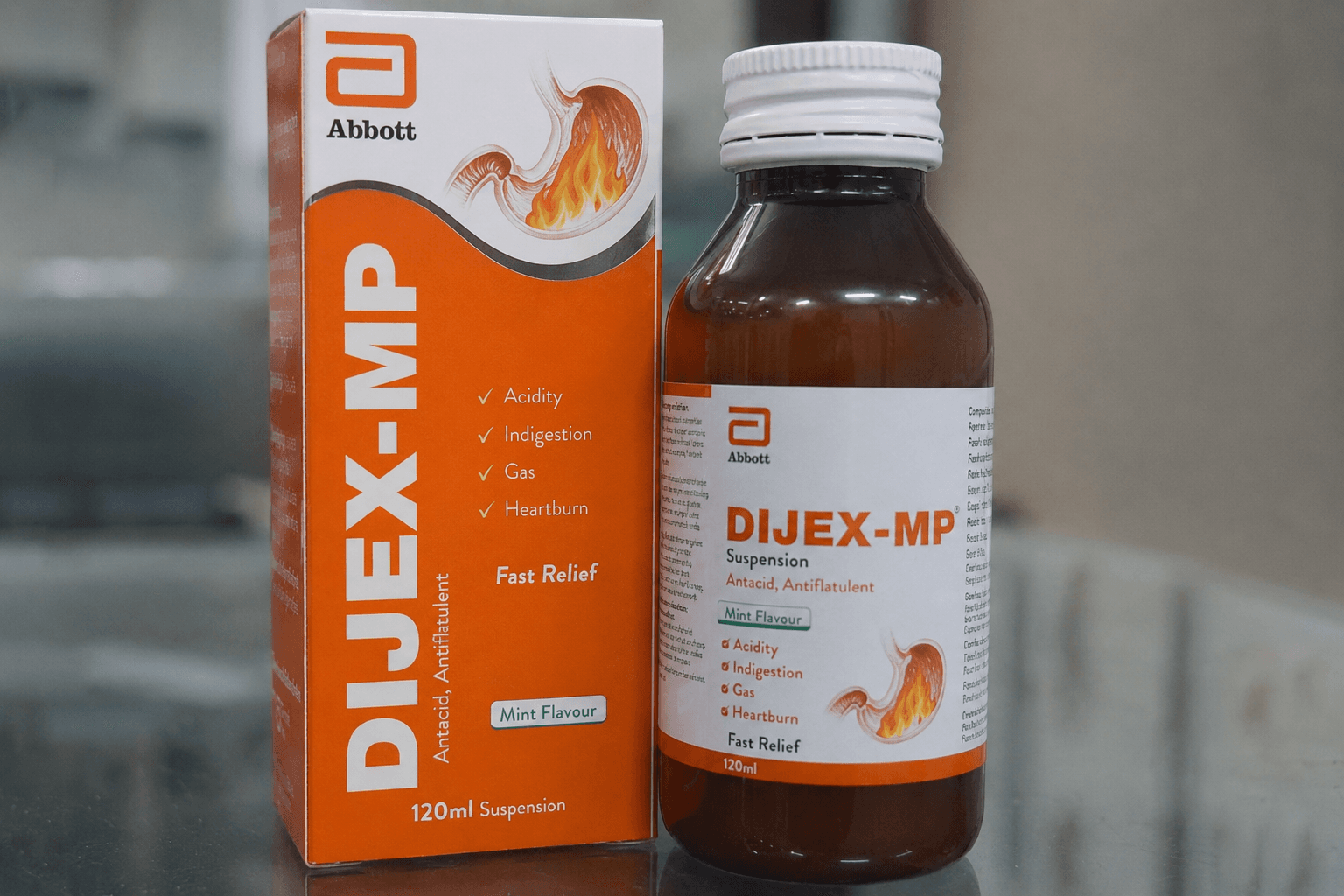
- dijex mp syrup uses in urdu — ڈائجکس ایم پی سیرپ (Dijex-MP) کے استعمالات — مکمل رہنما اور Pharm-D اسٹڈی نوٹس تعارف ڈائجکس ایم پی (Dijex-MP) پاکستان میں استعمال ہونے وا…