Neuron-M / Neuron P / Neuron G: Pharm-D Study Notes
Separate nerve-pain treatment from B12 replacement, check Neuron product labels, and revise the counseling points that prevent unsafe switching.
By Maya Brooks, MPH8 min read
Reviewed by Medical Review Team ·
Neuron-M / Neuron P / Neuron G: Pharm-D Study Notes
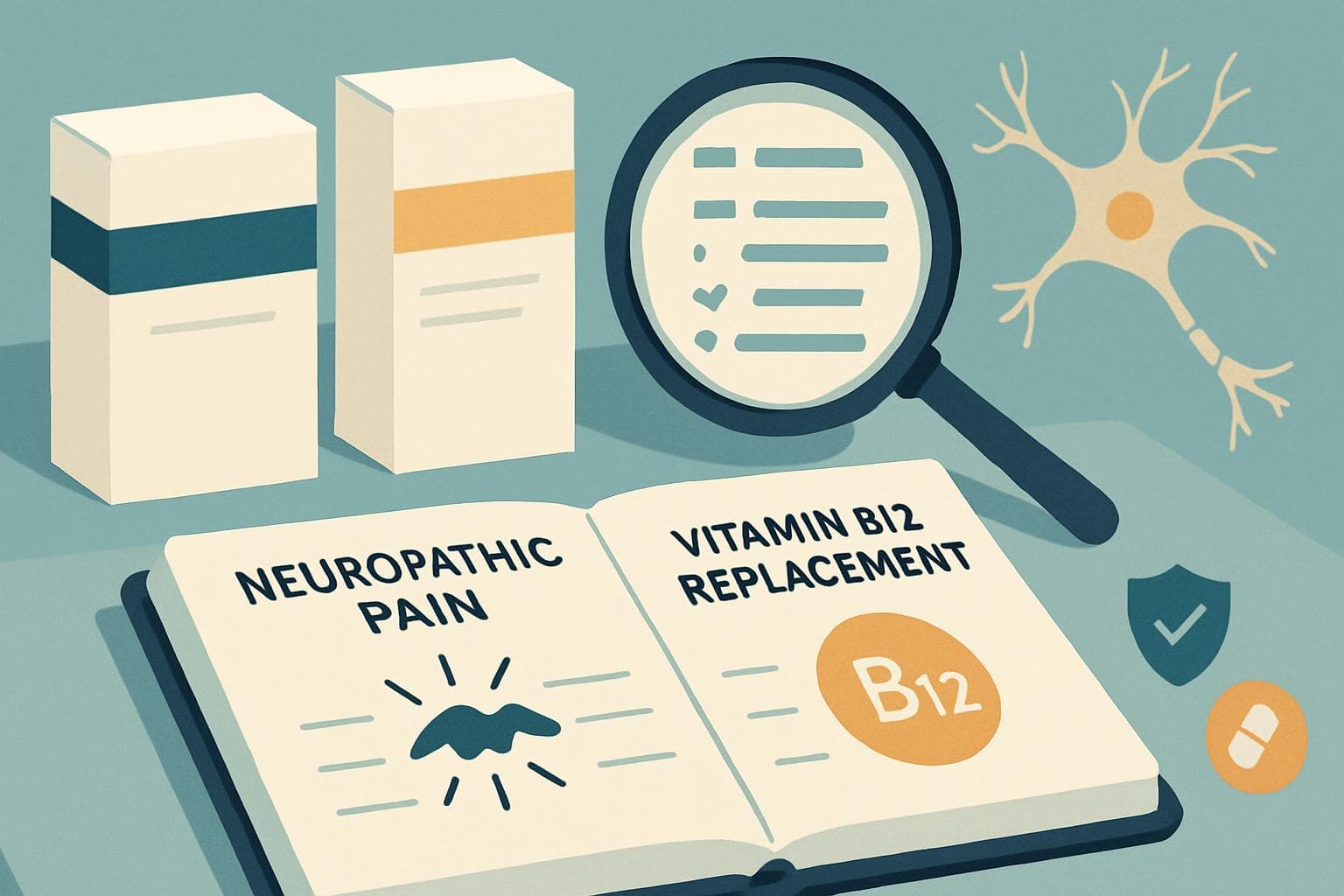
Neuron-M / Neuron P / Neuron G cannot be classified reliably from their names: verify each pack’s ingredients, strength, formulation, manufacturer, and country. For neuropathic pain and nerve support revision, distinguish pregabalin or gabapentin—medicines for selected nerve-pain conditions—from methylcobalamin, a form of vitamin B12 used for replacement when indicated.
Neuropathic pain means pain caused by damage or disease affecting the sensory nervous system. These Pharm-D notes translate pharmacology into counseling patients can understand. They are educational, not advertising for any company. Compare generic options with a pharmacist; never choose, combine, or switch treatment by a brand suffix.
Neuron-M / Neuron P / Neuron G: verify the pack before revising
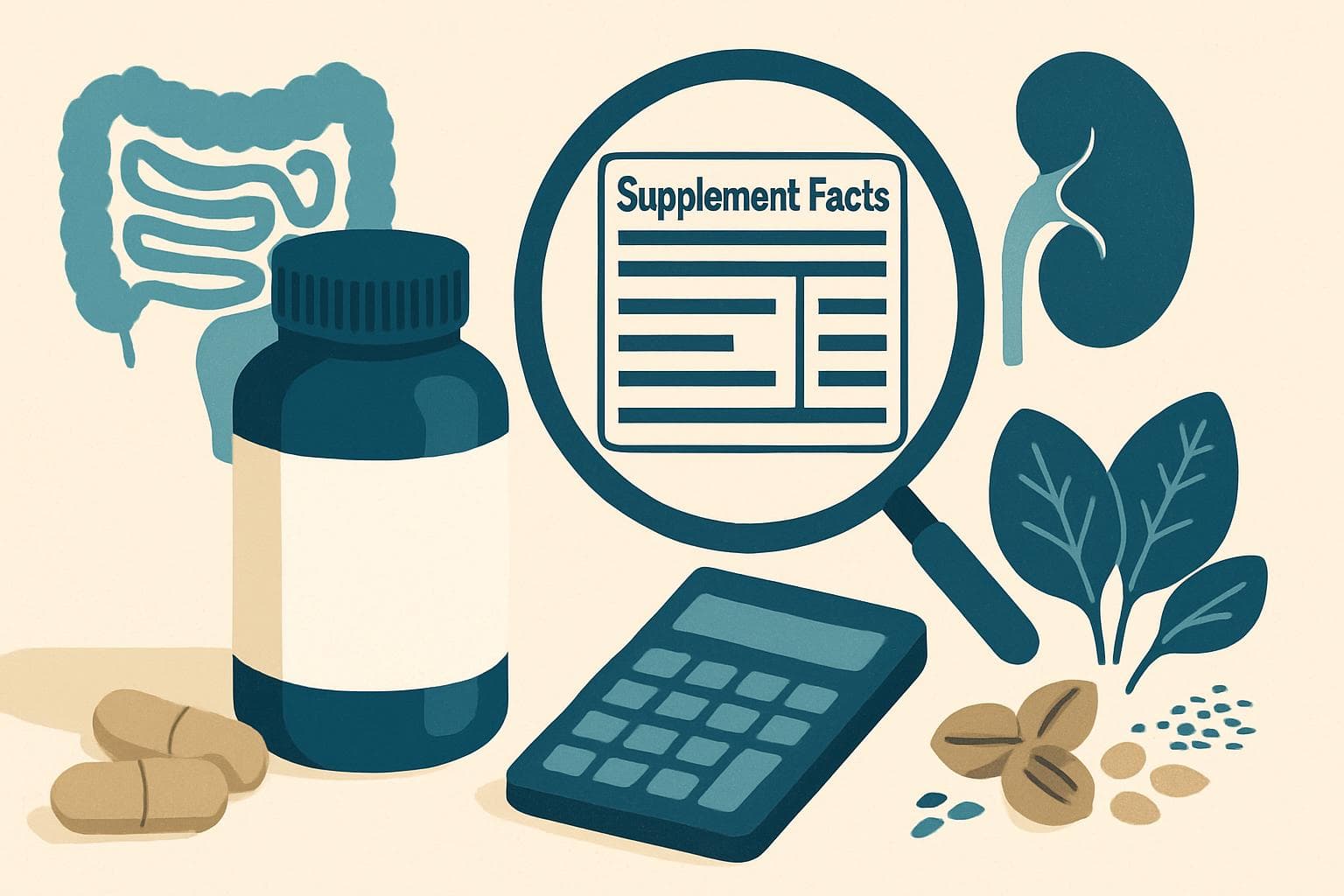
Start with the actual label. None of the three named products has a verified composition in these notes; M, P, and G remain naming elements, not ingredient evidence.
| Label field | What to record |
|---|---|
| Exact product name | Full spelling, suffix, and variant |
| Country/manufacturer | Market of sale and manufacturer named on pack |
| Active ingredients or INNs | Every generic ingredient name |
| Strength per unit | Amount in each tablet, capsule, or stated liquid volume |
| Dosage form | Tablet, capsule, liquid, injection, or other form |
| Release type | Immediate, extended, or other modified release |
| Single ingredient or combination | One active ingredient or several |
INN means International Nonproprietary Name: the generic ingredient name. If details are missing, record “unverified” and ask the pharmacist to check the local product information.
Sticky note 1: A brand suffix is not a pharmacological classification.
Matching INNs alone does not establish equivalent formulations or bioavailability—the extent and rate at which an ingredient becomes available in the body. Ask before switching. All options below are discussed generically.
Neuropathic pain treatment versus vitamin B12 replacement
Burning, electric-shock-like pain and tingling can suggest nerve involvement. They do not establish a diagnosis. Pain from tissue injury or inflammation has a different underlying mechanism, although mixed pain can occur.
Pregabalin and gabapentin can reduce symptoms in selected neuropathic pain conditions; neither is a blanket treatment for every painful or tingling limb. The diagnosis and local approved indications matter.
If a verified label lists methylcobalamin, identify it as a vitamin B12 form. Correcting B12 deficiency may address a cause of neurological problems, but supplementation is not a universal nerve-repair treatment or proof of pain relief. The cause and severity of deficiency help determine the replacement plan.
Sticky note 2: A neuropathy diagnosis does not automatically establish vitamin deficiency.
Keep the treatment goals separate: symptom control, correction of deficiency, or both when clinically justified.
Pharm-D revision notes
PK, or pharmacokinetics, describes how the body handles a medicine. PD, or pharmacodynamics, describes its effects. Apply this comparison when the ingredient appears on the verified pack.
| Generic ingredient | Class | Mechanism | Important PK | Clinical role | Counseling limit |
|---|---|---|---|---|---|
| Pregabalin | Gabapentinoid; antiseizure medicine | Binds the alpha-2-delta subunit of voltage-gated calcium channels, reducing excitatory neurotransmitter release | Conventional immediate-release exposure is relatively dose-proportional; eliminated mainly unchanged by the kidneys | Selected neuropathic pain conditions; other uses depend on local authorization | Check kidney function and sedation risk; not a same-dose substitute for gabapentin |
| Gabapentin | Gabapentinoid; antiseizure medicine | Also binds the alpha-2-delta subunit | Conventional immediate-release absorption is saturable; the absorbed fraction decreases as dose rises; eliminated unchanged by the kidneys | Selected neuropathic pain conditions; approved uses vary | Check renal function and exact formulation; do not assume linear dose conversion |
| Methylcobalamin | Vitamin B12 form | Supports B12-dependent processes needed for normal nerve function and blood-cell formation | Oral absorption depends on intestinal uptake and passive diffusion; route matters when absorption is impaired | B12 replacement when indicated | Not immediate analgesia; replacement route and regimen need clinical assessment |
The shared target is worth remembering. Despite their names and relationship to GABA, a signaling chemical in the nervous system, pregabalin and gabapentin are not direct GABA-receptor agonists.
For exam recall:
- Definition: Neuropathic pain arises from a lesion or disease of the somatosensory system—the system carrying bodily sensations.
- Examples: Painful diabetic neuropathy and postherpetic neuralgia are neuropathic pain conditions, not universal approved indications for every product.
- Clinical significance: Reduced kidney clearance can increase gabapentinoid exposure and adverse effects.
- Exam distinction: Saturable gabapentin absorption does not mean dose increases produce proportional exposure increases.
Sticky note 3: Similar mechanisms do not make gabapentin and pregabalin milligram-for-milligram substitutes.
From symptoms to a safe dispensing decision
Use a sequence, not a suffix:
Symptoms and red flags
→ Diagnosis and reversible causes
→ Verified ingredient list
→ Kidney function and medication review
→ Prescribed treatment and counseling
→ Benefit and harm review
Red flags interrupt routine dispensing. Neuropathic pain and B12 deficiency may coexist, so a pain medicine and deficiency treatment can have different purposes within supervised plan.
Prefer a verified, clearly labeled prescription plan over choosing a product because its name sounds like “nerve support.” Confirm the dose on the prescription and label with the pharmacist or doctor; these notes provide no dosing schedule.
At review, ask about sleep, walking or daily tasks, pain interference, and adverse effects. A lower pain score with disabling daytime sleepiness is not an uncomplicated success. Complete pain relief is not guaranteed.
Counseling: timing, sedation, combinations, and stopping
Follow the prescribed schedule and the exact formulation’s food instructions. There is no universal bedtime or meal rule. Check the leaflet for missed-dose advice, and do not double doses to catch up.
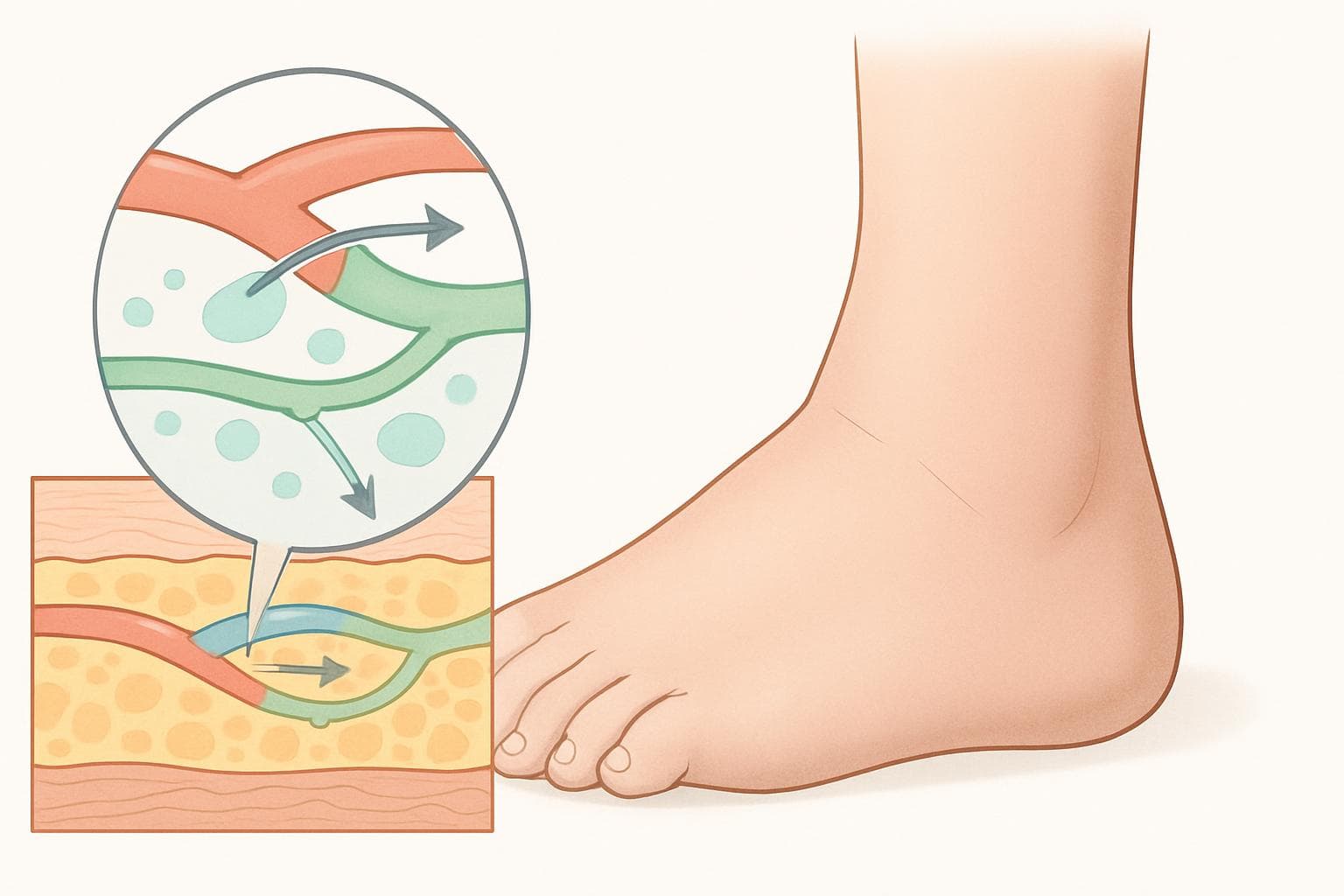
For gabapentinoids, discuss dizziness, sleepiness, and edema—swelling, often around the feet or ankles. Avoid driving or operating machinery until the effects are known; do not drive while impaired. Report troublesome swelling, falls, or persistent daytime sedation for review.
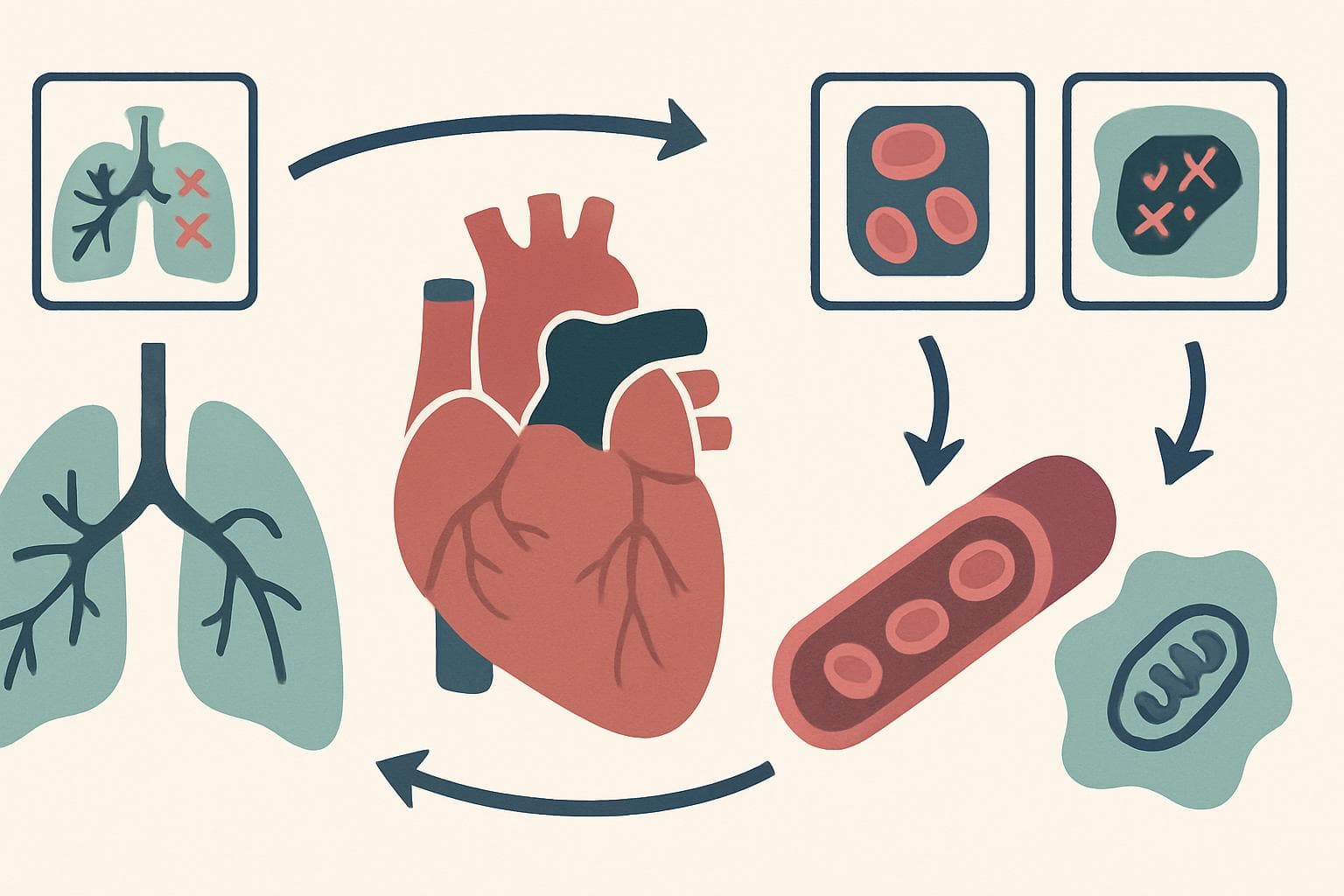
Review opioids, benzodiazepines, other sedating medicines, and alcohol before dispensing, because their combined effects can increase sleepiness and the risk of dangerously slowed breathing, which can lead to hypoxia (inadequate tissue oxygen). Include nonprescription sleep aids in that review.
Do not stop a gabapentinoid abruptly without prescriber guidance. Withdrawal symptoms and, in some circumstances, seizures can occur; discontinuation needs an individualized plan rather than a fixed taper copied from study notes.
Check every combination product. Write each active ingredient on line, then compare the lists: different brand names can conceal the same medicine.
Sticky note 4: Severe breathing difficulty, facial or tongue swelling, or inability to wake normally requires emergency help. Do not wait for a routine appointment.
Common exam traps and substitution mistakes
Keep these distinctions explicit:
- “Nerve support” wording is not evidence of pain efficacy.
- Methylcobalamin does not serve the same purpose as a gabapentinoid.
- Pregabalin and gabapentin are distinct active ingredients.
- Immediate-release and modified-release products are not automatically interchangeable.
- Overlapping combination products can duplicate treatment.
Do not add pregabalin to gabapentin, or the reverse, without specialist review. Their shared target does not establish useful extra benefit from combining them, while adverse effects may accumulate.
Local rules also matter. Approved indications, prescription requirements, controlled-drug restrictions, and substitution standards vary by jurisdiction; a revision table cannot establish dispensing permission.
When this approach is a poor fit / when to ask a preceptor
These notes cannot diagnose neuropathy or supply a dosing plan. Escalate uncertain product identity, renal impairment, pregnancy or breastfeeding, complex polypharmacy, and proposed switching to a pharmacist, preceptor, or clinician.
New weakness with bladder or bowel dysfunction or saddle numbness—reduced sensation around the groin or buttocks—needs emergency assessment. Do not trial supplements first.
Skip unsupervised OTC selection when red flags or interacting chronic medicines are present. Bring the exact pack or a clear label photograph, plus the current medication list, for review.
Neuron product and neuropathic pain FAQs
Can Neuron-M, Neuron P, or Neuron G ingredients be identified from the suffix alone?
No. Check the full local label, manufacturer, ingredients, strength, and formulation. A suffix is not reliable evidence of composition, even when another similarly named pack contains a familiar ingredient.
Is methylcobalamin a painkiller, or does it treat vitamin B12 deficiency?
It is a vitamin B12 form used for replacement when indicated, not a general painkiller. Correcting deficiency may help deficiency-related neurological symptoms; that does not establish benefit for all nerve pain.
Can pregabalin and gabapentin be substituted at the same dose?
No. Their absorption and exposure differ, and kidney function matters. Switching requires a clinician-directed plan, not a milligram-for-milligram exchange.
Can a gabapentinoid be stopped nerve pain improves?
Improvement is a reason to review treatment, not stop abruptly. Ask the prescriber whether continued treatment or a supervised reduction is appropriate.
Last-minute revision — high-yield bullets
- Verify every ingredient, strength, and release type.
- Distinguish pain control from correction of B12 deficiency.
- Remember alpha-2-delta binding, not direct GABA-receptor action.
- Check kidney function, sedatives, alcohol, and duplicate ingredients.
- Avoid unsupervised switching or abrupt gabapentinoid discontinuation.
References and educational disclaimer
[ADD SOURCE] Supply and check local product labels, regulator-approved ingredient prescribing information, and relevant neuropathic-pain and B12-deficiency guidance.
Educational revision notes only; not a diagnosis, prescription, or substitute for individual clinical advice.
Important Medical Disclaimer
This article is for general educational purposes and is not a substitute for advice from a qualified doctor or pharmacist. Always consult your doctor/pharmacist before using any medicine, changing a dose, or starting treatment.
Related reading
Extend your Pharm-D revision with practical notes on supplement evidence and safety.
- Magnesium Glycinate: Uses, Dosing and Pharm-D Notes — Review elemental dosing, absorption, sleep evidence, interactions, and kidney risks.