Ozempic Doses Chart: Timing, Titration and Study Notes
Review Ozempic's weekly dose chart, expected glucose and weight timelines, missed-dose rules, and the safety checks that matter during titration.
By Dr. Khalid Mehmood, MD12 min read
Reviewed by Medical Review Team ·
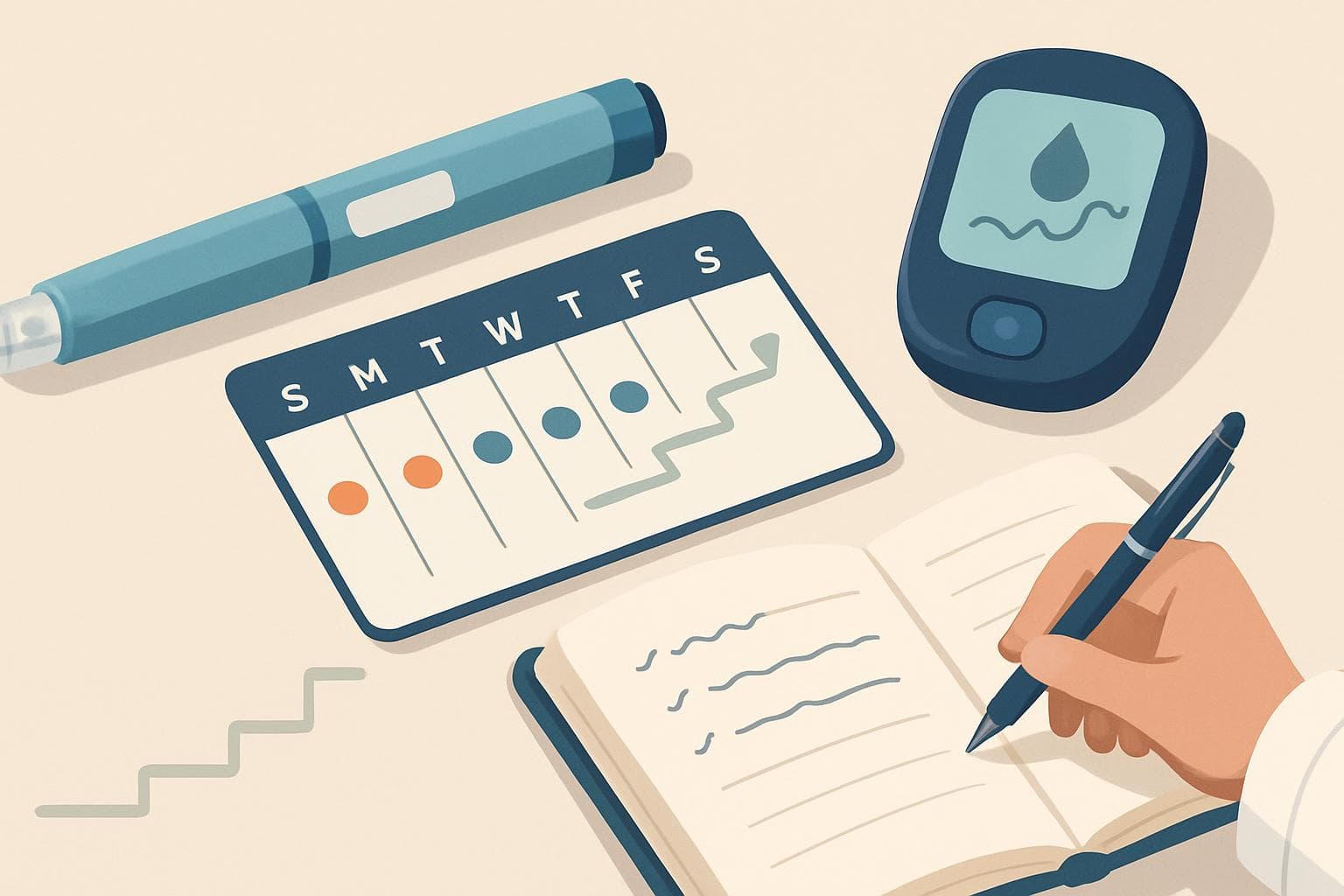
Ozempic usually starts at 0.25 mg weekly for four weeks, then increases to 0.5 mg weekly; later increases depend on the indication, response, and tolerability. Blood glucose may start improving during the first weeks, but semaglutide takes about 4–5 weeks at a fixed weekly dose to reach steady exposure, and weight changes generally develop over months.
These Pharm-D study notes explain the US dosing schedule for semaglutide, a glucagon-like peptide-1 receptor agonist (GLP-1 RA) supplied as a subcutaneous injection. Local approvals and presentations can differ. This is education, not advertising for any company; compare treatment options with a pharmacist rather than choosing by brand recognition.
Quick Answer / Overview
The starting dose prepares the body. It is not a shortcut to the maintenance effect, and the US label does not consider 0.25 mg an effective dose for glycemic control.
- Frequency: weekly, not daily, with or without meals.
- Glucose response: assess trends over weeks, not reading.
- HbA1c response: commonly reassessed around three months after treatment changes.
- Weight response: variable and usually slower; early nausea is not proof of success.
- Maximum US labeled dose: 2 mg weekly for glycemic control, after the required escalation intervals.
Do not accelerate the schedule. Confirm the dose, indication, and exact pen with the prescribing doctor or pharmacist before starting or changing treatment.
Key Definitions
- Titration: increasing a dose gradually to balance benefit against adverse effects.
- Subcutaneous: injected into the fatty layer beneath the skin.
- Half-life: the time needed for the amount of medicine in the body to decrease by half.
- Steady state: the exposure pattern reached when repeated dosing balances drug elimination.
- HbA1c: glycated hemoglobin, a marker reflecting average glucose over roughly the preceding three months.
- Glucose-dependent action: an effect that becomes stronger when glucose is elevated; it does not eliminate every hypoglycemia risk.
Keep these terms separate. Steady state describes drug exposure, whereas HbA1c describes a biological response accumulated over time.
Ozempic Doses Chart: The Labeled Weekly Schedule
This chart summarizes US adult labeling, not a personalized prescription. The week numbers show the earliest routine progression when escalation is appropriate; many patients remain at a lower maintenance dose.
| Treatment stage | Weekly dose | What the stage means |
|---|---|---|
| Weeks 1–4 | 0.25 mg | Initiation to improve gastrointestinal tolerability; not effective for glycemic control |
| From week 5 | 0.5 mg | Continue as maintenance when appropriate |
| After at least 4 weeks at 0.5 mg | 1 mg, if indicated | Escalation for additional glycemic control; also the labeled maintenance dose for the CKD outcome indication |
| After at least 4 weeks at 1 mg | 2 mg, if needed | Escalation for additional glycemic control; maximum recommended weekly dose |
For adults with type 2 diabetes and chronic kidney disease (CKD), the US label directs escalation to 1 mg weekly after at least four weeks at 0.5 mg for the kidney and cardiovascular outcome indication. Do not assume the highest diabetes dose is the required kidney-protection dose.
STICKY NOTE — A dose chart is not an automatic ladder. Check the treatment indication, glucose pattern, hydration, bowel symptoms, and ability to eat before discussing escalation.
If nausea or vomiting remains troublesome, contact the prescriber before the next planned increase. A slower individualized plan may be needed; do not create by counting pen clicks or improvising partial doses.
Missed doses and changing injection day
Take a missed dose within five days of the scheduled injection. If more than five days have passed, skip it and resume the regular schedule. Never double the dose.
The weekly injection day may change if the interval between injections is more than 48 hours. After several missed weekly doses, ask the prescriber about restarting: the single-missed-dose rule does not establish a universal restart schedule after a prolonged interruption.
How Long Does Ozempic Take to Work?
There are several clocks running. Drug accumulation, glucose improvement, appetite changes, and weight loss do not reach their milestones together.
| Outcome | Reasonable expectation | Interpretation trap |
|---|---|---|
| Blood glucose | Improvement may begin during the first weeks | One high reading does not establish failure |
| Stable drug exposure | About 4–5 weeks at the same weekly dose | A recent increase has not immediately reached its full exposure |
| HbA1c | Usually reviewed around 3 months after a treatment change | An early test still includes substantial pretreatment glucose exposure |
| Appetite and weight | Timing varies; weight trends develop over weeks to months | No appetite suppression after injection does not justify extra medicine |
| Cardiovascular or kidney outcomes | Benefits are assessed through longer-term clinical outcomes | Patients cannot feel risk reduction after a particular dose |
The practical insight is to document two dates: the first injection date and the date the current dose began. A patient who started eight weeks ago but increased last week has eight weeks of treatment experience, not eight weeks of exposure at the new dose.
That distinction improves follow-up. Review glucose alongside the dose timeline, missed injections, steroid use, intercurrent illness, food intake, and other diabetes medicines before calling treatment ineffective.
Persistent marked hyperglycemia needs earlier review. Vomiting, abdominal pain, deep breathing, confusion, or positive ketones require urgent assessment; waiting for semaglutide to accumulate is not appropriate management of possible ketoacidosis.
Mechanism and PK/PD: Why Weekly Dosing Works
Semaglutide activates the GLP-1 receptor. It increases glucose-dependent insulin secretion, reduces inappropriate glucagon secretion, and delays early post-meal gastric emptying; effects on appetite and food intake also contribute to weight reduction.
It is not insulin. It does not replace insulin when insulin is required, and it is not a treatment for diabetic ketoacidosis.
Semaglutide is strongly albumin-bound and resists rapid degradation, supporting an elimination half-life of approximately week. Drug can remain in the circulation for about five weeks after the last injection, so stopping does not immediately remove exposure or adverse effects.
Learning flowchart:
Weekly injection → sustained GLP-1 receptor activation → glucose-dependent insulin increase and glucagon reduction → improved glucose control
Parallel appetite effects → reduced energy intake → possible gradual weight reduction
Gastric emptying is part of the mechanism. Avoid explaining every clinical effect through delayed stomach emptying, especially when discussing longer-term glycemic response or cardiovascular and kidney outcomes.
Indications and Important Product Differences
Under US labeling, Ozempic is used alongside diet and exercise to improve glycemic control in adults with type 2 diabetes. Additional indications include reducing major cardiovascular events in adults with type 2 diabetes and established cardiovascular disease, and reducing sustained kidney-function decline, end-stage kidney disease, and cardiovascular death in adults with type 2 diabetes and CKD.
It is not labeled for type 1 diabetes. Nor is Ozempic the US semaglutide product specifically approved for chronic weight management, even though weight reduction commonly occurs during diabetes treatment.
| Semaglutide product | Useful distinction | Limitation to remember |
|---|---|---|
| Ozempic | Weekly injection with type 2 diabetes and specified cardiovascular/kidney indications | Its escalation schedule is not a universal semaglutide schedule |
| Wegovy | Semaglutide product with weight-management and other specified indications | Eligibility, presentations, and maintenance schedules must be checked separately |
| Rybelsus | Oral semaglutide option for type 2 diabetes | Absorption and administration requirements differ from injections |
None is automatically best. The same international nonproprietary name (INN) does not mean identical bioavailability, interchangeable milligram doses, or permission to switch without clinician guidance. Do not combine semaglutide products or add another GLP-1 RA without a prescriber's explicit treatment review.
Side Effects: What to Monitor and When to Stop
Nausea, vomiting, diarrhea, abdominal pain, and constipation are common adverse effects, particularly during escalation. Smaller meals, slower eating, stopping when comfortably full, and maintaining fluid intake may help. Avoid forcing large meals through persistent nausea.
Symptoms still need interpretation. Repeated vomiting is not simply evidence that the medicine is working.
| Problem | Practical action |
|---|---|
| Mild nausea without dehydration | Monitor intake and symptoms; discuss persistence before escalation |
| Repeated vomiting, very little urine, dizziness, or inability to drink | Seek same-day assessment for dehydration and kidney injury |
| Severe, persistent abdominal pain, possibly radiating to the back | Stop semaglutide and seek urgent assessment for pancreatitis |
| Upper abdominal pain with fever or jaundice | Seek urgent assessment for gallbladder disease |
| Facial or tongue swelling, breathing difficulty, or collapse | Stop treatment and obtain emergency help |
| Sudden vision loss or rapidly changing vision | Obtain urgent eye assessment; do not wait for routine follow-up |
REMEMBER — Nausea is not a treatment target. A patient can benefit without feeling sick, while severe gastrointestinal symptoms can cause clinically important dehydration.
Hypoglycemia is more likely when semaglutide is combined with insulin or a sulfonylurea. Review those doses with the prescriber and reinforce the patient's glucose-monitoring and hypoglycemia-treatment plan. Never advise stopping insulin abruptly because appetite has fallen.
Precautions That Change the Counseling Plan
Thyroid warning: US labeling contains a boxed warning about thyroid C-cell tumors observed in rodents; relevance to humans is unknown. Semaglutide is contraindicated with a personal or family history of medullary thyroid carcinoma or multiple endocrine neoplasia syndrome type 2. A neck lump, persistent hoarseness, or swallowing difficulty needs assessment.
Gastrointestinal disease: Ozempic is not recommended in severe gastroparesis, meaning markedly delayed stomach emptying. A history of pancreatitis requires a careful prescriber review rather than an assumption that another episode is impossible.
Eye disease: existing diabetic retinopathy warrants monitoring, especially when glucose improves rapidly. Record baseline eye history and ask about new symptoms during follow-up.
Kidney impairment: the label does not require dose adjustment solely for renal impairment. Nevertheless, dehydration from vomiting or diarrhea can worsen kidney function; lack of a dose adjustment is not lack of a monitoring need.
Pregnancy: discontinue at least two months before a planned pregnancy under clinician guidance because semaglutide clears slowly. Pregnancy or breastfeeding requires an individualized treatment review and a plan to maintain glucose control.
Anesthesia and sedation: tell the procedural team about semaglutide because delayed gastric emptying can increase aspiration risk. Withholding decisions depend on symptoms, escalation status, procedure, and current local guidance; there is no safe one-size-fits-all instruction for every patient.
Pharmacy Practice: Check the Pen, Not Just the Brand
Ask the patient to show the device. “I use the blue pen” does not reliably establish a dose across markets or presentations.
Check the prescribed mg per injection, the doses the particular pen can deliver, the dispensing label, and the patient's injection day. Total milligrams in the pen and concentration in mg/mL are not the weekly dose. Never transfer pen contents into an insulin syringe or calculate doses from internet click charts.
IMPORTANT — Three numbers can appear together: total drug content, concentration, and delivered dose. the prescribed delivered dose belongs in the patient's weekly dosing instructions.
Inject into the abdomen, thigh, or upper arm and rotate sites. Follow the device instructions, use a new needle, never share pens even with a changed needle, and remove the needle after use.
For US Ozempic pens, refrigerate unused pens at 2–8°C and never freeze them. After first use, the labeled in-use period is 56 days, refrigerated or at 15–30°C; protect from excessive heat and light. A hot vehicle or unreliable cold chain can compromise storage even before the printed expiry date.
At follow-up, reconcile actual use rather than asking only, “Are you taking it?” Dose-selection errors, repeated missed doses, and early removal of the needle can masquerade as treatment failure.
Quick Pharm D Notes
- Definition/classification: semaglutide is a long-acting GLP-1 receptor agonist.
- Mechanism: glucose-dependent insulin stimulation, glucagon reduction, and appetite-related effects.
- PK point: approximately one-week half-life; steady exposure after 4–5 weeks at a stable dose.
- Dose point: 0.25 mg weekly initiates therapy; maintenance depends on indication and response.
- Examples: injectable and oral semaglutide products require different administration instructions.
- Clinical significance: assess glycemia, tolerability, cardiovascular/kidney eligibility, and interacting glucose-lowering therapies together.
- Exam trap: glucose-dependent action lowers intrinsic hypoglycemia risk but does not cancel the risk from concomitant insulin.
FAQ
Can I start Ozempic at 0.5 mg to get faster results?
The labeled starting schedule is 0.25 mg weekly for four weeks. Starting higher increases gastrointestinal tolerability concerns and is not a safe self-directed shortcut.
Why am I not losing weight after four weeks?
You may still be completing initiation. Weight response varies, and Ozempic is not the US semaglutide weight-management product. Review trends and treatment goals rather than increasing the dose yourself.
Can I stay on 0.5 mg instead of increasing?
For glycemic control, 0.5 mg can be a maintenance dose when appropriate. However, the US CKD outcome indication uses 1 mg weekly after the specified escalation; clarify which indication guides treatment.
What if I miss more than weekly injection?
Contact the prescriber before restarting. The appropriate approach depends on the interruption, previous dose, gastrointestinal tolerance, and glucose status; automatically resuming a high dose may be poorly tolerated.
Should I take Ozempic before or after food?
Either is acceptable for the injection. Use the prescribed weekly day, and do not apply oral semaglutide's fasting instructions to an injectable pen.
What happens when I stop Ozempic?
Effects fade gradually as drug exposure decreases. Glucose can rise and weight regain can occur, so arrange an alternative management plan rather than stopping without follow-up, unless an urgent adverse reaction requires immediate action.
Last-Minute Revision
- Start low; escalate after the labeled intervals.
- Separate the treatment-start clock from the current-dose clock.
- Distinguish glucose response, HbA1c response, and weight response.
- Verify milligrams delivered, not pen color or click counts.
- Review insulin/sulfonylurea use, dehydration, eye history, and contraindications.
- Treat severe abdominal pain or allergic symptoms as urgent, not routine titration effects.
References
- Ozempic US Prescribing Information: indications, dosing, pharmacokinetics, warnings, and storage.
- Wegovy US Prescribing Information: product-specific indications and administration.
- Rybelsus US Prescribing Information: oral semaglutide dosing and absorption considerations.
- NIDDK: The A1C Test & Diabetes: interpreting HbA1c and its time window.
Important Medical Disclaimer
This article is for general educational purposes and is not a substitute for advice from a qualified doctor or pharmacist. Always consult your doctor/pharmacist before using any medicine, changing a dose, or starting treatment.
Related reading
If this article on Ozempic Doses Chart: Timing, Titration and Study Notes was helpful, explore these related guides for more practical information on similar topics.
- Gravinate Syrup Uses, Dosage Guidance and Side Effects — Learn when Gravinate syrup helps nausea and travel sickness, how to check the bottle strength, and which symptoms need care rather than a…
- Immunization Updates for Pharmacy Practice — Seasonal recommendations and workflow tips for pharmacy-based vaccination services.
- Medication Therapy Management in Community Practice — How structured MTM visits improve outcomes and expand the pharmacist's clinical role.
- Ascard Tablet Overview: Uses, Dosage and Safe Use Tips — Understand what Ascard contains, why doctors prescribe it, and how to avoid bleeding risks, missed-dose mistakes and unsafe tablet substi…
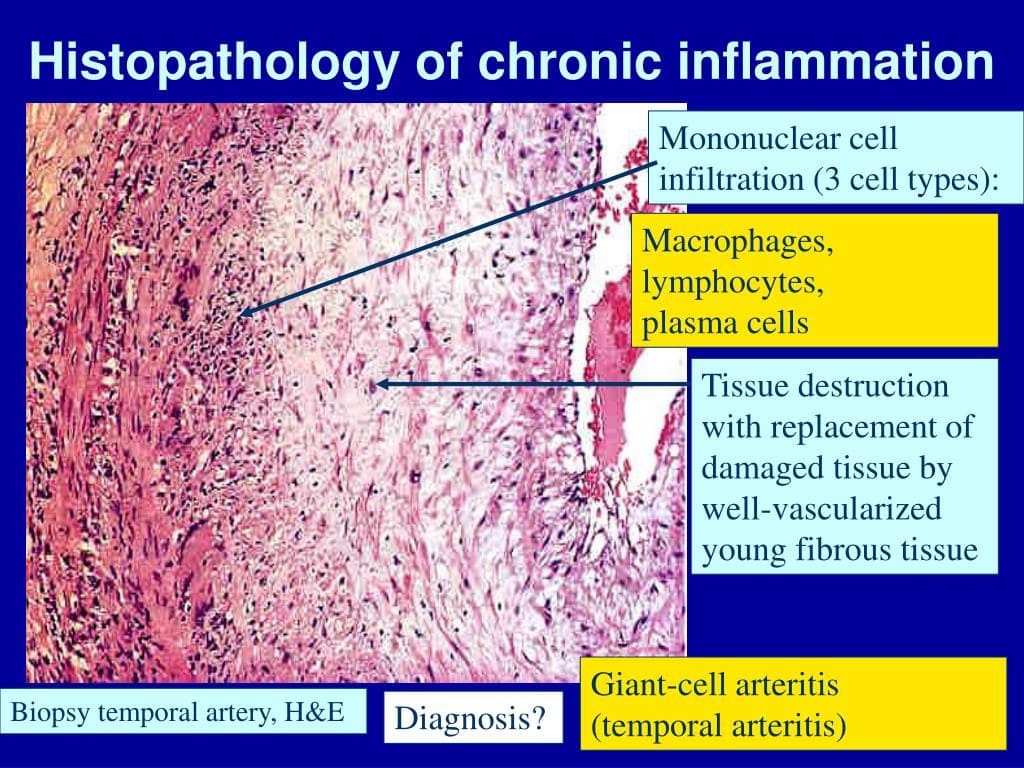
- Chronic Inflammation: Symptoms, Causes, Related Diseases & Treatment — Chronic Inflammation — Notes (Based on the Document) What is Chronic Inflammation? Chronic inflammation is a prolonged inflammatory respo…
- Celbex Tablet Uses: Check the Ingredient and Use Safely — Check Celbex’s active ingredient before use, then learn about celecoxib pain relief, stomach and heart risks, interactions, and when to s…