Zentel Tablet Uses: Worm Treatment and Safe Dosing
Learn which worm infections Zentel treats, why doses and food instructions differ, and when children or adults need testing instead of another tablet.
By Dr. Amina Rahman, PharmD13 min read
Reviewed by Medical Review Team ·
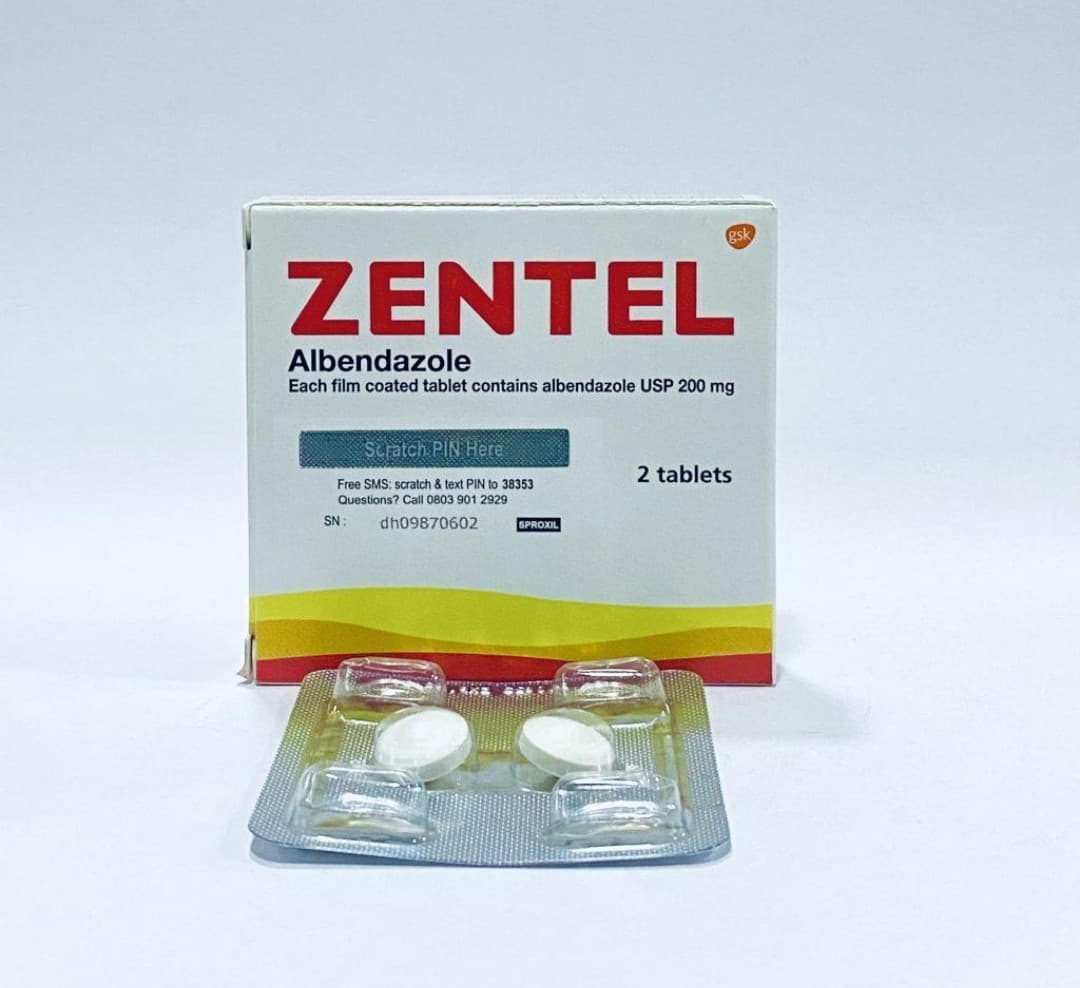
Zentel tablets contain albendazole, an anthelmintic (anti-worm medicine) used for intestinal infections such as pinworm, roundworm and hookworm. Some deeper tissue infections also require albendazole, but those need specialist treatment—not a routine deworming tablet.
This guide is educational, not advertising for any company. Compare suitable products with a pharmacist; the correct treatment depends on the parasite, the person and the formulation.
Quick Information
| Information | Details |
|---|---|
| Generic name | Albendazole |
| Brand names | Zentel; Albenza in some international markets; generic albendazole products |
| Drug class | Benzimidazole anthelmintic |
| Main uses | Selected intestinal worms; specialist treatment of certain tissue parasites |
| Available forms | Tablets, including chewable presentations; oral suspension in some markets |
| Common strengths | Tablets commonly contain 200 mg or 400 mg; liquid concentrations vary |
| Route | By mouth |
| Prescription / OTC | Confirm locally in Pakistan; availability without a prescription does not establish suitability |
| Common side effects | Abdominal discomfort, nausea, vomiting, headache or dizziness |
Introduction — What is Zentel?
Zentel is a brand, not the ingredient name. Albendazole is the active medicine. It treats susceptible parasites rather than ordinary bacterial infections, acidity or every cause of loose stools.
Finding the medicine at a neighbourhood pharmacy does not prove that worms explain your symptoms. Bloating, poor appetite and tiredness have many possible causes, including constipation, anaemia and dietary problems. Check the ingredient, strength and expiry date before taking anything, especially if the tablets arrived outside their original carton.
How it works and when to expect improvement
Albendazole disrupts structures inside susceptible parasites and interferes with their ability to use glucose for energy. The parasites gradually lose their ability to survive. It is not an instant painkiller.
Improvement may occur over the following days, depending on the infection. Pinworm itching can linger because the skin remains irritated, while anaemia caused by hookworm takes longer to correct and may need separate treatment.
Absorption matters here. Food, particularly fat, increases absorption into the bloodstream, which is useful for some tissue infections but is not a reason to apply identical food instructions to every deworming course.
Uses: which infections can it treat?
Pinworm or threadworm
Pinworm commonly causes itching around the anus at night and can spread between household members. Albendazole is one treatment option. Reinfection is common because treatment does not reliably eliminate eggs; a repeat dose and household hygiene may therefore be needed.
If testing is appropriate, a clinician may suggest an early-morning adhesive-tape test before washing or using the toilet. Routine stool testing can miss pinworm.
Roundworm and hookworm
Doctors use albendazole for roundworm and hookworm infections. Heavy roundworm infection can cause significant abdominal problems; hookworm can contribute to iron-deficiency anaemia through intestinal blood loss.
Treating the worms may not resolve every consequence. Someone with pallor, breathlessness or marked fatigue may also need a blood count and an assessment for iron replacement.
Whipworm and other intestinal parasites
Albendazole may be used for whipworm, but the schedule can differ from a single-dose course. It is not the preferred medicine for every parasite: ivermectin is generally preferred for strongyloidiasis, for example.
Do not assume that a visible worm identifies the species accurately. A photograph or a properly collected sample can help the clinician choose testing and treatment.
Parasites affecting tissues
Albendazole is used in selected cases of neurocysticercosis, involving tapeworm larvae in the nervous system, and hydatid disease, involving cysts in organs. These require imaging, specialist planning and often additional medicines. Self-treatment can trigger dangerous inflammation.
Dose and how to take it
The exact dose depends on age, condition, formulation and medical history—confirm it with your doctor or pharmacist. One tablet is not automatically one complete treatment.
For context, CDC guidance lists albendazole 400 mg once, repeated after two weeks, for pinworm treatment in adults. This is an infection-specific example, not a schedule for unexplained abdominal symptoms, every worm infection or every child. Local product information may differ.
Other infections may need treatment over several days, divided daily doses or specialist courses. Tissue infections can involve weight-based prescribing. Do not build a schedule by combining instructions from different websites.
Food, tablets and liquids
Follow the instructions for the diagnosed infection. CDC pinworm guidance specifies an empty stomach; treatment of tissue infections commonly requires food to improve absorption. If your prescription and leaflet appear inconsistent, ask the dispensing pharmacist to clarify before taking it.
Check whether your particular tablet is chewable. Some albendazole tablets can be crushed or chewed, but confirm the product instructions rather than assuming every presentation is interchangeable. Shake suspensions as directed and measure with an oral syringe, not a kitchen spoon.
Children need a separate check
For young children, particularly those under two, a clinician should decide whether treatment is appropriate. Public-health deworming programmes use age-specific protocols that should not be copied into unsupervised home treatment.
Ask for the liquid dose in both milligrams and millilitres. If vomiting occurs soon after a dose, do not automatically repeat it; ask a pharmacist because the timing affects the advice.
Side effects: what to watch for
Abdominal pain, nausea, vomiting, headache or dizziness can occur. Mild symptoms may settle without additional treatment. Persistent symptoms need review, particularly if they interfere with drinking or worsen rather than improve.
Longer or higher-exposure courses can cause raised liver enzymes, temporary hair thinning and, rarely, reduced blood-cell counts. These risks help explain why specialist courses require blood tests rather than repeated over-the-counter purchases.
Stop taking further doses and seek urgent help for:
- Swelling of the face or throat, breathing difficulty, or a widespread blistering rash.
- Yellow eyes or skin, dark urine, or severe persistent abdominal pain.
- Fever with a sore throat, unusual bruising, or unexpected bleeding.
- A seizure, severe new headache, confusion, weakness, or vision changes.
Do not dismiss severe symptoms as proof that the worms are dying. They can signal a complication or an unrelated illness.
Warnings and precautions
Pregnancy and breastfeeding
Do not self-start albendazole during pregnancy, when trying to conceive, or if pregnancy is possible. Pregnancy testing and contraception advice may be required, especially for longer courses; the recommended period after treatment varies between product labels.
Some public-health guidance permits deworming later in pregnancy under defined circumstances. That does not make unsupervised use appropriate. If you have already taken a dose, contact your maternity clinician with the date, strength and amount rather than assuming harm has occurred.
A single dose is generally considered compatible with breastfeeding in international guidance. Repeated or prolonged treatment still deserves an individual assessment.
Liver, kidney, heart and age considerations
Tell the prescriber about liver disease, abnormal blood counts or previous reactions to worm medicines. Prolonged courses generally require liver-function tests and blood-count monitoring.
Evidence in significant kidney impairment is limited. Older adults and people with heart disease should share their full medicine list and medical history; there is no universal alternative dose simply because someone belongs to one of these groups.
Mention seizures, unexplained neurological symptoms or eye disease before treatment. Unrecognised tissue parasites can change the safety plan.
Drug interactions, supplements and alcohol
Bring your medicine list or photographs of the packets. Include non-prescription products and herbal remedies, even if you take them only occasionally.
Cimetidine, dexamethasone and praziquantel can increase exposure to albendazole's active metabolite. Carbamazepine, phenytoin and phenobarbital may reduce exposure. Theophylline may require monitoring. These combinations are not all prohibited, but they should be intentional and supervised.
There is no routine vitamin supplement that makes deworming more effective. An iron supplement may be needed for confirmed deficiency, which is a separate decision.
Avoid alcohol if you feel dizzy, nauseated or unwell. During prolonged treatment or with liver disease, ask the clinician specifically about alcohol because liver safety needs closer attention.
Who should not use it?
Do not take albendazole if you have had an allergic reaction to it, another benzimidazole medicine, or an ingredient in the product.
Pregnancy, serious liver problems, blood disorders and suspected brain or eye involvement need medical assessment rather than self-treatment. Some are precautions rather than absolute contraindications; the distinction depends on the diagnosis and applicable label.
Overdose: act on the amount, not just symptoms
If someone takes more than prescribed, contact an emergency department promptly for advice, even if they initially feel well. Nausea, vomiting or abdominal discomfort may occur, but symptoms cannot reliably establish whether the amount was safe.
Take the packaging and note the amount and time. Do not induce vomiting. A child swallowing an uncertain number of tablets needs urgent assessment.
Missed dose: never double up
For a multi-dose course, take the missed dose when remembered unless the next dose is nearly due; then skip it. Never double without medical advice.
If you miss a planned pinworm repeat dose, ask a pharmacist how to reschedule it. Do not compress the doses together to catch up.
How long is it used?
Some intestinal infections need only a short course, while others need several days or a planned repeat dose. Tissue infections may require weeks or longer under specialist care.
Albendazole does not cause dependence or require a taper. However, stopping prescribed treatment early can leave an infection inadequately treated.
After the course, persistent itching, pain or visible worms should prompt reassessment—not an indefinite cycle of extra tablets. The next step might be testing, treating reinfection or investigating another diagnosis.
Storage in Pakistan's climate
Follow the temperature limit on your own pack. Keep the medicine dry, away from direct sunlight and out of children's sight and reach.
A parked car, a kitchen shelf beside the stove or a humid bathroom is unsuitable, particularly during hot weather. Keep tablets in their original blister and liquids tightly closed. Check any after-opening instructions for suspensions, and ask a pharmacy about safe disposal of expired medicine.
Forms and strengths: check the units
Albendazole tablets commonly come in 200 mg and 400 mg strengths. Chewable tablets and oral suspensions are available in some markets; local stock varies.
Read a liquid label carefully. A concentration expressed per 5 mL is not the amount in the whole bottle, and equal spoonfuls of different products may contain different doses. This medicine is taken orally; do not substitute an unrelated cream or veterinary dewormer.
Brand comparison: ingredient first, packaging second
Zentel and Albenza are albendazole brands in different markets. Both have the same active ingredient, but authorised uses, strengths, formulations and directions can differ. Albenza's mention here does not imply availability in Pakistan.
Generic albendazole may also be an option. Check local registration, packaging integrity, expiry and the required formulation with a licensed pharmacist; price alone cannot establish quality.
The same ingredient does not guarantee identical formulation or bioavailability—the amount reaching the bloodstream. For a clinician-prescribed course, especially a tissue infection, ask before switching products. No brand is endorsed here.
Common misconceptions that lead to repeat treatment
- Myth: Every stomach ache means worms. Truth: Pain and bloating are nonspecific; persistent symptoms need assessment.
- Myth: Teeth grinding proves a child has worms. Truth: Grinding alone does not diagnose an infection.
- Myth: A stronger dose clears everything faster. Truth: The parasite determines the regimen; extra medicine adds risk.
- Myth: No worms in the stool means treatment failed. Truth: You may not see recognisable worms after effective treatment.
- Myth: Deworming replaces hygiene. Truth: Pinworm eggs can remain on hands, bedding and surfaces, allowing reinfection.
Patient FAQ
Can Zentel treat gas, acidity or diarrhoea?
Not routinely. It treats susceptible parasites, not acidity or every cause of diarrhoea. Blood in the stool, fever, dehydration, weight loss or persistent symptoms need assessment rather than repeated deworming.
Should I take it before or after food?
The infection determines the instruction. Pinworm guidance may specify an empty stomach, while tissue-infection treatment commonly requires food. Confirm your particular schedule instead of choosing based on convenience.
Does everyone at home need treatment?
For pinworm, simultaneous treatment of eligible household members is often advised. Pregnancy and very young age need separate checks. Wash hands, keep nails short, shower in the morning and wash underwear and bedding; continue hygiene for two weeks after the last dose.
Can I give an adult tablet to my child?
Do not assume the adult tablet or schedule is appropriate. Age, diagnosis, swallowing ability and formulation matter. Ask the pharmacist to verify the prescribed amount and demonstrate liquid measurement if needed.
Is it safe during pregnancy or breastfeeding?
Pregnancy requires clinician advice before use. Breastfeeding guidance is more reassuring for a single dose, but repeated treatment should be assessed individually. Mention the baby's age and any medical problems.
Can I drive after taking it?
Avoid driving or operating machinery if you become dizzy or develop a headache that affects concentration. It is not a sleeping tablet and should not be taken to improve sleep.
Can I take it every few months to stay healthy?
Do not create a standing home schedule from social-media advice. Organised deworming programmes have defined populations and protocols; recurrent symptoms outside such programmes deserve a diagnosis and prevention plan.
What if the itching returns after treatment?
Pinworm reinfection, a missed repeat dose or irritated skin may explain it. Other skin conditions can also itch. Review the timing and household measures with a clinician rather than escalating the dose yourself.
Do I need a laxative or special diet?
A laxative is not routinely necessary. Follow the infection-specific food instruction and drink normally unless you have another medical restriction. A “cleanse” does not improve treatment and can worsen diarrhoea or dehydration.
How can I check the current price in Pakistan?
Ask a licensed pharmacy for the price of the exact strength, formulation and pack size. Prices change. Compare equivalent quantities, and avoid loose, unlabelled tablets or online offers without a verifiable pharmacy source.
Sources
- CDC: Clinical Overview of Pinworm Infection.
- CDC: Clinical Care of Soil-transmitted Helminths.
- CDC: Clinical Care of Strongyloides.
- DailyMed: ALBENZA—albendazole prescribing information.
- NIH LactMed: Albendazole.
International guidance may differ from Pakistani product instructions; check the leaflet supplied with your medicine.
Important Medical Disclaimer
This article is for general educational purposes only and is not a substitute for advice from a qualified doctor or pharmacist. Always consult your doctor/pharmacist before using any medicine, changing a dose, or starting treatment.
Related reading
If this article on Zentel Tablet Uses: Worm Treatment and Safe Dosing was helpful, explore these related guides for more practical information on similar topics.
- Celbex Tablet Uses: Check the Ingredient and Use Safely — Check Celbex’s active ingredient before use, then learn about celecoxib pain relief, stomach and heart risks, interactions, and when to s…
- Calpol Syrup Uses: Fever, Pain and Safer Dosing Tips — Learn when Calpol syrup helps fever and pain, how to check its strength, and which dosing mistakes or symptoms need urgent attention in c…
- Gravinate Syrup Uses, Dosage Guidance and Side Effects — Learn when Gravinate syrup helps nausea and travel sickness, how to check the bottle strength, and which symptoms need care rather than a…
- Rigix Tablet Uses: Allergy Relief, Dose and Safety — Learn what Rigix treats, how to check its cetirizine strength, and when sleepiness, kidney problems or persistent itching need a pharmaci…
- Nims Tablet Uses: Pain Relief, Dose and Liver Safety — Learn what Nims tablets may treat, how to check the ingredient, and when to stop. Practical guidance on dosing, liver risks and safer pai…
- Ascard Tablet Overview: Uses, Dosage and Safe Use Tips — Understand what Ascard contains, why doctors prescribe it, and how to avoid bleeding risks, missed-dose mistakes and unsafe tablet substi…