Neutrophils: Function, ANC and Clinical Pharm-D Notes
Understand neutrophil function, calculate ANC, and interpret high or low counts, with drug-related causes and urgent fever advice for clinical practice.
By Luca Moretti, PharmD12 min read
Reviewed by Medical Review Team ·
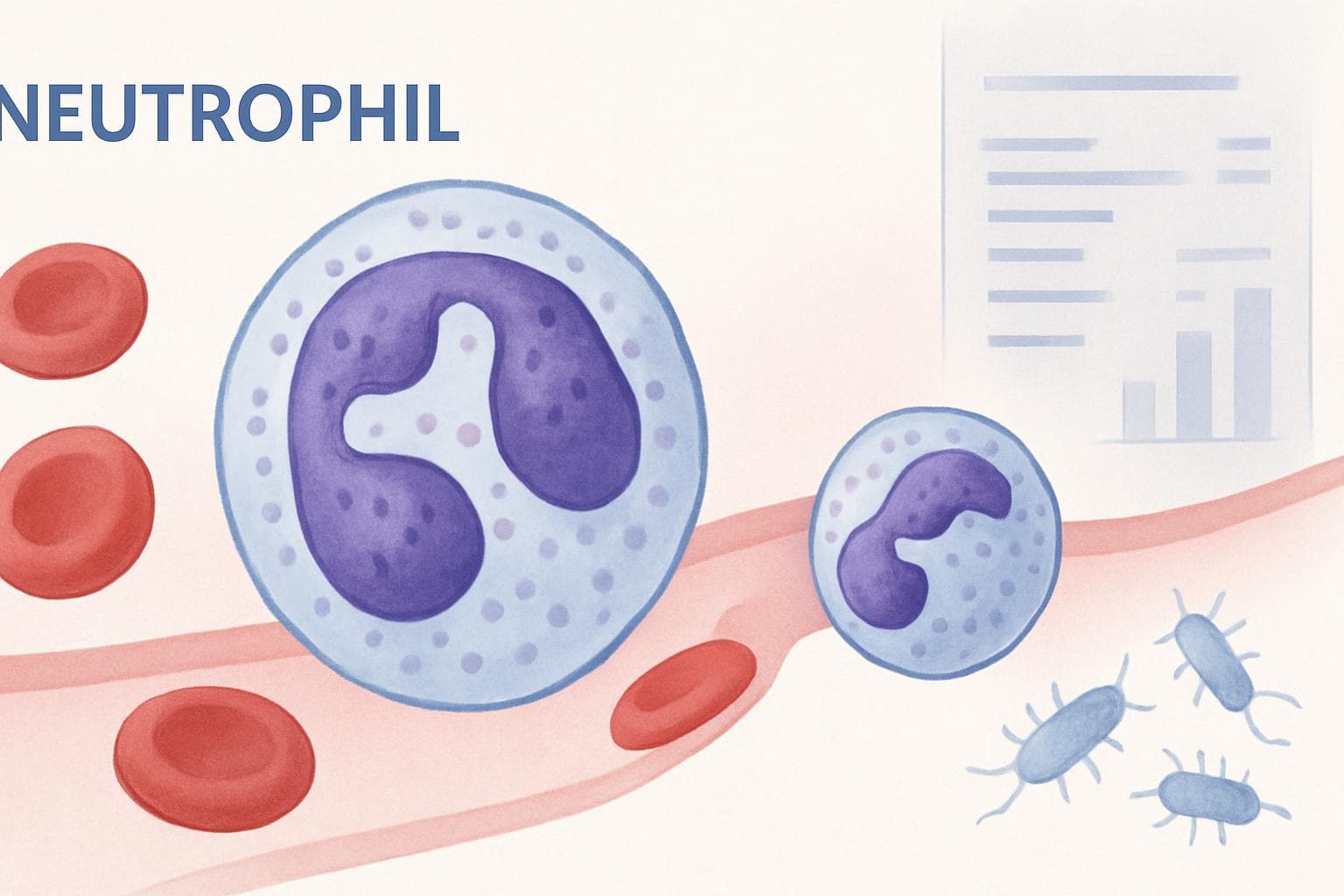
Neutrophils are white blood cells that provide rapid innate immune defense, particularly against bacteria and fungi. They engulf microbes, release antimicrobial substances, and move from blood into injured or infected tissues; their absolute count helps clinicians assess infection risk.
These Pharm-D study notes connect cell biology with blood-count interpretation and medicine safety. A laboratory flag is a clue, not a diagnosis. The practical question is whether the count reflects an expected response, impaired production, accelerated destruction, or altered movement between blood and tissues.
This guide is educational and does not advertise any company's product. Where treatment is needed, compare appropriate options with a pharmacist rather than choosing by brand.
Quick Answer / Overview
Neutrophils usually form the largest proportion of circulating white blood cells in adults. A typical adult absolute neutrophil count, or ANC, is approximately 1,500–7,500 cells/µL, although laboratory reference intervals differ.
High counts are called neutrophilia; low counts are called neutropenia. Neither result identifies a cause by itself. Interpret the ANC alongside symptoms, previous results, medicines, and the rest of the complete blood count.
STICKY NOTE — Count beats percentage: A normal-looking neutrophil percentage can conceal a dangerously low ANC when the total white blood cell count is low.
Key Definitions
- Granulocyte: A white blood cell containing cytoplasmic granules; neutrophils, eosinophils, and basophils belong here.
- Polymorphonuclear cell: A cell with a segmented nucleus; clinicians commonly use “PMN” to mean a neutrophil.
- Band cell: An immature neutrophil with a curved, incompletely segmented nucleus.
- Chemotaxis: Directed cell movement toward a chemical signal.
- Phagocytosis: Engulfment of a microbe or particle for intracellular destruction.
- Left shift: Increased immature neutrophil forms in peripheral blood, often reflecting marrow demand.
- Agranulocytosis: Profound depletion of granulocytes, chiefly neutrophils; terminology and numerical definitions vary across references.
These terms describe different things. Cell appearance, cell number, and cell performance should not be treated as interchangeable measurements.
Production, Structure, and Distribution
Neutrophils develop in bone marrow through the myeloid lineage. Granulocyte colony-stimulating factor (G-CSF) supports their production, maturation, and release. Mature cells have a multilobed nucleus and granules containing enzymes and antimicrobial proteins.
The marrow maintains a reserve. During infection or physiological stress, release can increase faster than new cells can complete maturation, explaining why immature forms sometimes appear in blood.
Not every circulating neutrophil travels freely in the sampled bloodstream. Some temporarily associate with vessel walls in a marginating pool. Stress hormones and glucocorticoids can shift cells into the freely circulating pool, raising the measured count without proving bacterial infection.
A simple process diagram
Bone marrow production → blood circulation and marginating pool → tissue recruitment → microbial killing → programmed cell death and clearance
For these cells, production, distribution, and clearance matter more than conventional drug pharmacokinetics. Avoid memorizing universal lifespan: estimates vary with the compartment studied, measurement method, and inflammatory state.
How Neutrophils Reach and Kill Microbes
Recruitment begins at the vessel wall
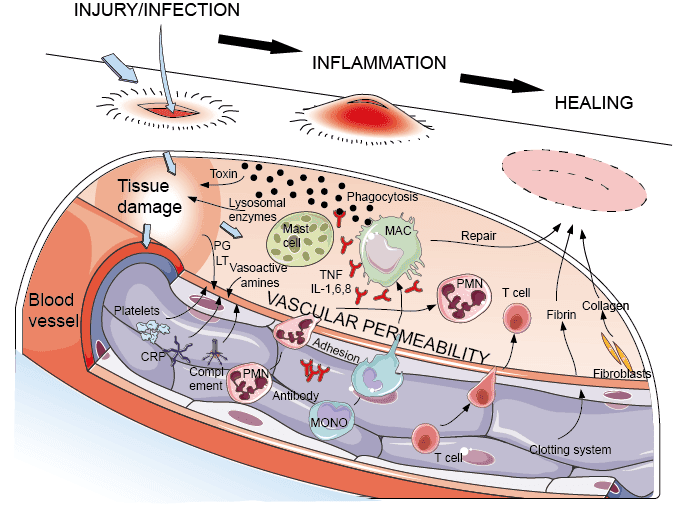
Inflammatory signals activate nearby endothelial cells, which line blood vessels. Neutrophils first roll along the endothelium through selectin-mediated interactions, then adhere firmly through activated integrins.
They cross the vessel wall by transmigration, also called diapedesis. Chemical gradients then guide them toward the threat; important signals include complement fragment C5a, leukotriene B4, bacterial products, and the chemokine CXCL8, also called interleukin-8.
The sequence is worth understanding. A cell may be present in adequate numbers yet fail to reach infected tissue if its adhesion machinery is defective.
Killing uses overlapping systems
Antibodies and complement can coat microbes, a process called opsonization. Neutrophil receptors recognize that coating, facilitating engulfment into a phagosome, which subsequently interacts with antimicrobial granules.
During the respiratory burst, NADPH oxidase generates superoxide. Downstream reactions produce hydrogen peroxide; myeloperoxidase uses hydrogen peroxide and chloride to generate antimicrobial hypochlorous acid.
Killing is not entirely oxygen-dependent. Granule proteins, including defensins and proteases, also damage microorganisms.
Neutrophils can release neutrophil extracellular traps (NETs): extracellular networks containing DNA and antimicrobial proteins. These may help contain microbes, but excessive NET formation can contribute to tissue injury and thrombosis.
More activity is not always better. The same enzymes and oxidants that attack microbes can injure surrounding host tissue when activation becomes excessive or poorly controlled.
Reading a CBC: Calculate the ANC First
A complete blood count (CBC) with differential reports the total white blood cell count and the distribution of white cell types. Some laboratories directly report absolute counts; others emphasize percentages.
ANC = total WBC count × [(segmented neutrophil % + band %) ÷ 100]
Use bands when separately reported and not already included in the neutrophil result. Do not add them twice.
For example, a WBC count of 2,000 cells/µL, segmented neutrophils of 40%, and bands of 5% gives:
ANC = 2,000 × 0.45 = 900 cells/µL.
The percentage alone looks unremarkable. The absolute count shows neutropenia.
| Adult finding | Common ANC threshold | Practical interpretation |
|---|---|---|
| Mild neutropenia | 1,000–1,499 cells/µL | Review baseline, symptoms, and possible causes |
| Moderate neutropenia | 500–999 cells/µL | Requires clinical assessment; risk depends on context |
| Severe neutropenia | Below 500 cells/µL | Substantially increased infection risk, especially if prolonged |
| Neutrophilia | Above the laboratory's upper limit | Investigate the clinical context rather than treating the number |
Units can trip people up. 1.0 × 10⁹/L equals 1,000 cells/µL. Pediatric reference intervals differ, and pregnancy can alter expected counts.
The trajectory also matters: a rapidly falling count after chemotherapy carries different implications from a stable, lifelong low baseline in an otherwise well person.
High Neutrophils: What They Do and Do Not Mean
Bacterial infections commonly raise neutrophil counts, but surgery, trauma, tissue necrosis, smoking, vigorous exercise, and physiological stress can do the same. Glucocorticoids, lithium, and G-CSF medicines are additional causes.
Check the timing first. A result obtained after a steroid dose or during acute distress may not represent the patient's usual baseline.
A left shift can support increased marrow demand, while toxic granulation describes altered neutrophil staining often associated with intense inflammation. Neither finding independently proves bacterial infection or justifies antibiotics.
Persistent, unexplained neutrophilia deserves assessment, particularly when accompanied by anemia, platelet abnormalities, splenomegaly, or constitutional symptoms such as unexplained weight loss. Hematological disorders remain part of the differential diagnosis.
Do not chase the count with leftover antibiotics. Treatment targets an identified or strongly suspected cause, not a highlighted laboratory number.
Low Neutrophils: Separate Production from Destruction
Neutropenia may result from reduced marrow production, immune destruction, increased consumption during severe illness, or splenic sequestration, meaning retention of cells in an enlarged spleen.
Common clinical categories include chemotherapy-associated marrow suppression, some viral infections, autoimmune disease, marrow disorders, and deficiencies of vitamin B12, folate, or copper. Medicines can cause either predictable suppression or uncommon, abrupt reactions.
The rest of the CBC helps. Concurrent anemia and thrombocytopenia, meaning a low platelet count, raise different concerns from isolated neutropenia, although no single pattern establishes the diagnosis.
Some people have Duffy-null–associated neutrophil counts, an inherited pattern associated with lower circulating ANC without the usual increase in infection risk. This occurs more often in certain ancestry groups, but ancestry alone cannot establish the explanation.
A new decline still needs investigation. Previous results, recurrent infections, examination findings, and sometimes blood-film or specialist testing help distinguish a stable baseline from disease.
REMEMBER — Risk is contextual: Infection risk depends on the depth and duration of neutropenia, mucosal damage, accompanying immune suppression, and the underlying disorder—not just number.
Fever with Neutropenia Requires Urgent Action
In practice, febrile neutropenia commonly means a single oral temperature of 38.3°C or higher, or 38.0°C or higher sustained for hour, with ANC below 500 cells/µL or expected to fall below that level. Local definitions and action plans can differ.
Do not wait for certainty. A person receiving chemotherapy, or known to have severe neutropenia, should seek immediate assessment for fever, rigors, new breathlessness, confusion, or marked deterioration; serious infection may occur without fever.
If their treatment team has specified a lower temperature threshold, follow that plan. Do not delay seeking help merely to complete an hour of temperature monitoring or obtain a repeat CBC.
Clinical management involves rapid assessment and prompt empiric antibiotics selected for the patient's risk, suspected source, allergies, and local resistance patterns. Hospital teams obtain cultures when feasible without delaying treatment.
IMPORTANT — Fever medicine is not treatment: Paracetamol may lower the temperature but does not treat neutropenic infection. A lower reading must not become a reason to stay home.
Pharmacy Practice: Medicines, Monitoring, and Counseling
Identify possible drug-related neutropenia
Review prescription medicines, nonprescription products, recent antibiotics, and treatment dates. Relevant examples include clozapine, an antipsychotic; carbimazole and propylthiouracil, antithyroid medicines; cytotoxic chemotherapy; and some antimicrobial medicines.
Timing provides useful evidence. Record when each medicine started, when symptoms appeared, and whether earlier blood counts were normal, while remembering that delayed or repeat-exposure reactions can complicate the timeline.
Patients taking carbimazole or propylthiouracil who develop fever, sore throat, or mouth ulcers should stop the medicine and obtain urgent medical advice and a blood count, following their product leaflet and treatment plan. Do not restart without clearance.
For clozapine, follow current country-specific prescribing information and monitoring arrangements. Infection symptoms require urgent contact with the prescribing service; do not improvise interruption or restarting schedules, because restarting after a gap may require retitration.
Understand where G-CSF fits
Filgrastim and pegfilgrastim are G-CSF medicines used in selected settings to reduce the duration or consequences of neutropenia. Their schedules differ. They are not interchangeable dose-for-dose and are not routine treatment for every mildly low count.
Common adverse effects include bone pain. Rare serious reactions include splenic rupture, acute respiratory distress syndrome, and severe hypersensitivity; left upper abdominal or shoulder-tip pain, breathing difficulty, or allergic symptoms need urgent assessment.
Selection depends on the regimen, indication, and patient risk. Confirm the exact dose, formulation, administration timing, and monitoring plan with the treating doctor or pharmacist; this guide does not supply a self-treatment schedule.
Check the label carefully. Product-specific chemotherapy spacing, storage requirements, and delivery-device instructions matter, and suspected hypersensitivity to a G-CSF product requires clinician review before further use.
Give practical prevention advice
Hand hygiene, oral care, safe food handling, and avoiding close contact with actively ill people are useful precautions. Follow the team's advice rather than imposing an unnecessarily restrictive “neutropenic diet.”
There is no universal supplement that safely raises neutrophils. Correct a documented deficiency when indicated; do not replace investigation with an “immunity booster.”
Important Differences and Common Exam Errors
| Comparison | Key distinction |
|---|---|
| Neutrophilia versus leukocytosis | Leukocytosis means increased total WBC count; the elevated cell type may not be neutrophils |
| Neutropenia versus impaired function | The first concerns cell number; the second concerns what cells can do |
| Left shift versus neutrophilia | Immature forms may increase without a high absolute count |
| Chronic granulomatous disease versus adhesion deficiency | The former impairs oxidative killing; the latter impairs recruitment into tissues |
In chronic granulomatous disease, NADPH oxidase dysfunction compromises the respiratory burst. Classic leukocyte adhesion deficiency can produce marked blood neutrophilia despite poor tissue recruitment, recurrent infections, little pus, and delayed umbilical cord separation.
A high count does not guarantee protection. Likewise, a normal count cannot exclude infection, and pus is not a reliable requirement for infection in severely neutropenic patients.
Quick Pharm D Notes
- Definition: Neutrophils are innate immune granulocytes specialized in rapid antimicrobial defense.
- Classification: Mature segmented cells and less mature band forms appear in blood differentials.
- Process: Rolling → adhesion → transmigration → chemotaxis → phagocytosis → killing.
- Recognition: Antibody and complement opsonization improve microbial uptake.
- Mechanism: NADPH oxidase initiates the respiratory burst; myeloperoxidase contributes downstream.
- Clinical significance: ANC is more informative than percentage alone when assessing neutropenia.
- Medicine examples: Chemotherapy may suppress production; glucocorticoids can increase circulating counts through redistribution and other effects.
- Exam point: Distinguish a numerical abnormality from a functional defect before explaining the infection pattern.
Frequently Asked Questions
What does a high neutrophil percentage mean?
It means neutrophils make up a larger share of measured white cells. Check the absolute count: the percentage can rise simply because another white cell type has fallen.
Is a low neutrophil count always dangerous?
No. Mild, stable neutropenia may carry little additional risk in some settings. Severe, prolonged, or rapidly developing neutropenia is more concerning, especially with fever, mucosal injury, or other immune suppression.
Can steroids raise neutrophils without an infection?
Yes. Glucocorticoids alter neutrophil distribution, release, and survival. However, steroids can also increase infection susceptibility, so a plausible medicine effect must not be used to dismiss new symptoms.
Can food or vitamins increase neutrophils?
Replacing a confirmed nutritional deficiency may help when that deficiency is the cause. No specific food reliably treats chemotherapy-related, immune-mediated, or marrow-related neutropenia. Avoid supplement megadoses without assessment.
When should a low count be repeated?
There is no universal interval. Symptoms, severity, the previous trend, and current treatment determine urgency. Fever or deterioration warrants immediate assessment rather than waiting for a routine repeat test.
Last-Minute Revision
- Neutrophils defend primarily against bacteria and fungi.
- Calculate ANC before interpreting a percentage.
- Severe neutropenia generally means ANC below 500 cells/µL.
- Neutrophilia does not automatically mean bacterial infection.
- Fever with known or suspected severe neutropenia is urgent.
- Medication history and previous CBCs can change the interpretation completely.
References
- Robbins & Cotran Pathologic Basis of Disease: inflammation and white blood cell disorders.
- Janeway's Immunobiology: innate immune recognition and effector mechanisms.
- Merck Manual Professional: Neutropenia.
- IDSA guideline: Antimicrobial agents in neutropenic patients with cancer.
- DailyMed: current product-specific filgrastim, pegfilgrastim, and clozapine prescribing information.
- NHS: Side effects of carbimazole.
Important Medical Disclaimer
This article is for general educational purposes and is not a substitute for advice from a qualified doctor or pharmacist. Always consult your doctor/pharmacist before using any medicine, changing a dose, or starting treatment.
Related reading
If this article on Neutrophils: Function, ANC and Clinical Pharm-D Notes was helpful, explore these related guides for more practical information on similar topics.
- Define acute inflammation describe different morphological patterns of acute inflammation — Definition Acute inflammation is a rapid and short-duration inflammatory response of vascularized tissue to injury or infection. It is ch…
- write a note on granuloma and write down 3 causes of granuloma in details — How Patients Find the Right Doctor Today Finding the right doctor used to mean asking a neighbor, calling your insurance company,…
- Chronic Inflammation: Symptoms, Causes, Related Diseases & Treatment — Chronic Inflammation — Notes (Based on the Document) What is Chronic Inflammation? Chronic inflammation is a prolonged inflammatory respo…
- Define Hemorrhage: Detailed Pharm-D Notes and Safety — Understand hemorrhage through classification, mechanisms, morphology, clinical signs, and medicine-related risks, with clear exam notes a…
- What is difference between exudate and transudate fluid. — Exudate and Transudate Exudate and transudate are two types of fluid that can accumulate in body tissues or body cavities. They are diffe…
- Define Edema in Detail: Mechanisms and Pharm-D Notes — Understand edema through fluid balance, clinical patterns, medicine-related causes, and treatment principles, with exam notes and urgent…