write a note on granuloma and write down 3 causes of granuloma in details
How Patients Find the Right Doctor Online Today Finding the right doctor used to mean asking a neighbor, calling your insurance company, or flipping through a phone book. That process looks completely different now. Most
By Dr. Amina Rahman, PharmD2 min read
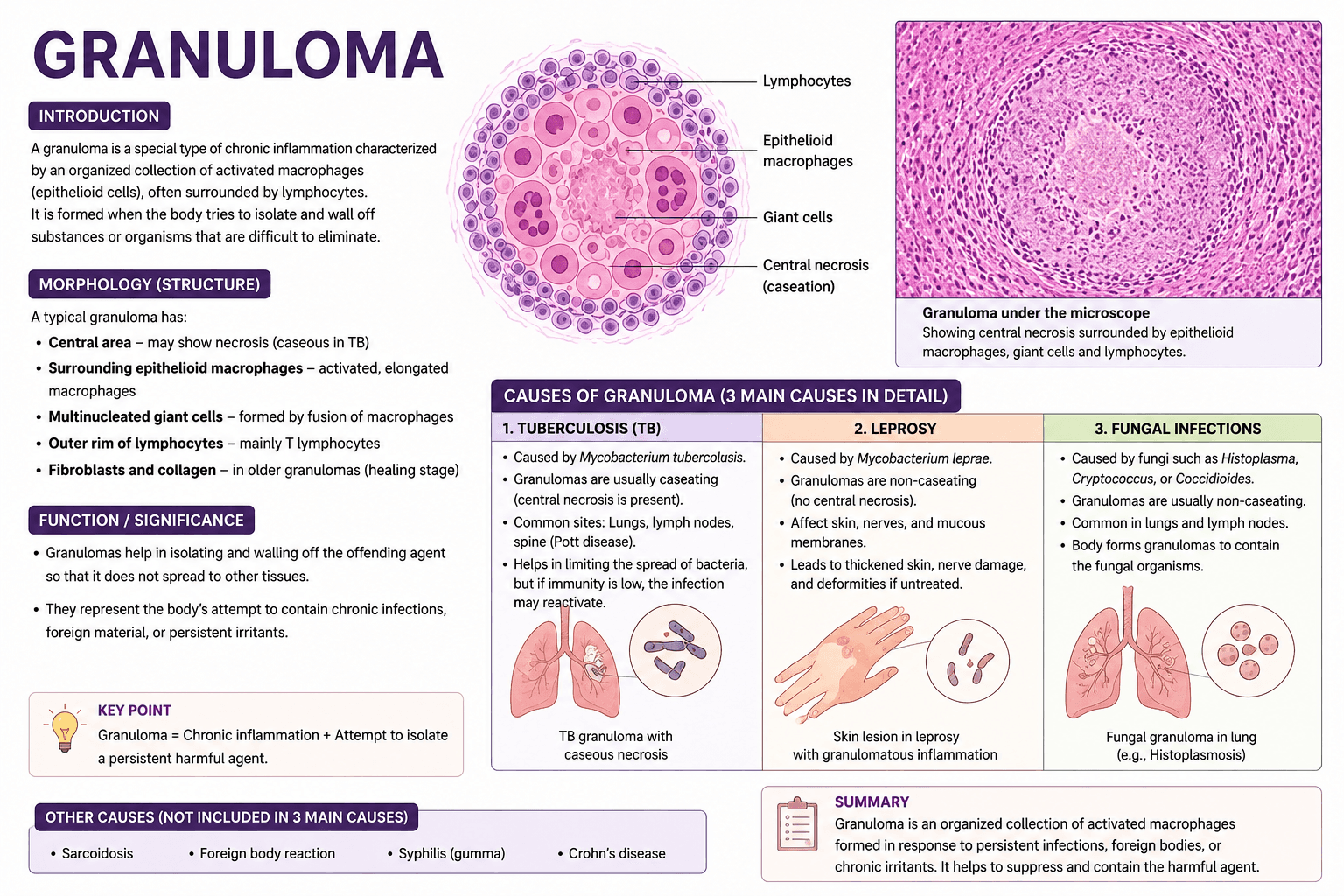
Granuloma — Detailed Note
Definition
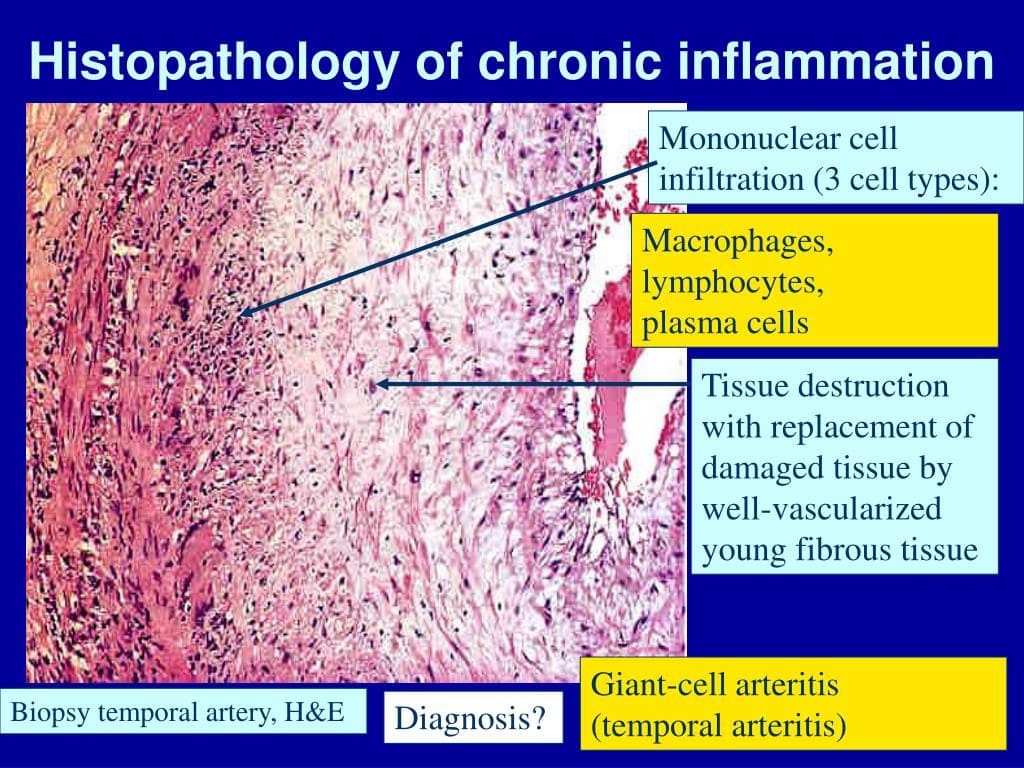
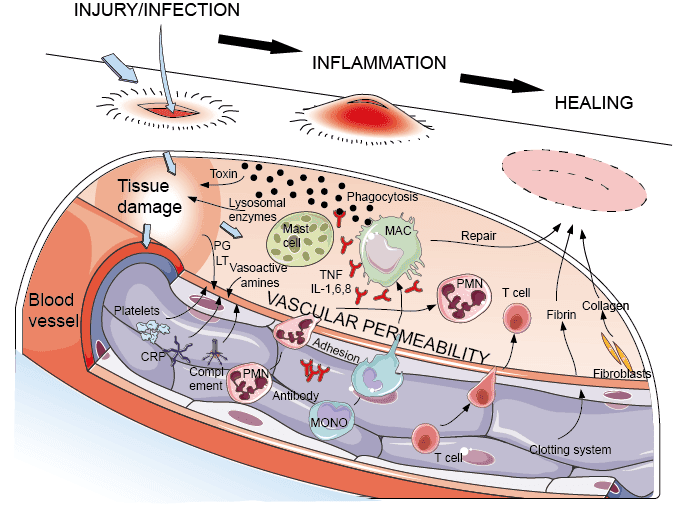
A granuloma is a small, organized collection of macrophages (epithelioid cells) formed during chronic inflammation. It develops when the body is unable to remove a persistent infection, foreign material, or other harmful substance.
Formation of Granuloma
When a harmful substance remains in the body for a long time:
- Macrophages gather around the substance.
- Macrophages become larger and are called epithelioid cells.
- Some macrophages join together to form multinucleated giant cells.
- Lymphocytes surround these cells.
- Sometimes, the center develops necrosis (dead tissue).
Main Features
- Collection of epithelioid macrophages
- Presence of multinucleated giant cells
- Surrounding lymphocytes
- Usually associated with chronic inflammation
- May be caseating or non-caseating
3 Causes of Granuloma
1. Tuberculosis (TB)
- Caused by Mycobacterium tuberculosis.
- It commonly produces caseating granulomas.
- The center of the granuloma contains caseous necrosis, which looks like soft, cheese-like material.
- Commonly affects the lungs, but can affect other organs.
2. Leprosy
- Caused by Mycobacterium leprae.
- It produces granulomatous inflammation, especially in the skin and peripheral nerves.
- Granulomas form as the immune system attempts to control the bacteria.
- It may cause skin lesions and nerve damage.
3. Fungal infections
- Some fungi, such as Histoplasma, can produce granulomas.
- The immune system forms granulomas to contain the fungal organisms.
- They commonly involve the lungs and may resemble tuberculosis.
Related reading
If this article on write a note on granuloma and write down 3 causes of granuloma in details was helpful, explore these related guides for more practical information on similar topics.
- Chronic Inflammation: Symptoms, Causes, Related Diseases & Treatment — Chronic Inflammation — Notes (Based on the Document) What is Chronic Inflammation? Chronic inflammation is a prolonged inflammatory respo…
- Define acute inflammation describe different morphological patterns of acute inflammation — Definition Acute inflammation is a rapid and short-duration inflammatory response of vascularized tissue to injury or infection. It is ch…
- Understanding Drug–Drug Interactions in Clinical Pharmacy Practice — A practical overview of clinically significant interactions.
- Define neoplasia. Discuss in detail the features of malignant tumors. — Neoplasia — Definition Neoplasia is an abnormal, uncontrolled and excessive proliferation of cells that continues even after the original…
- dijex mp syrup uses in urdu — ڈائجکس ایم پی سیرپ (Dijex-MP) کے استعمالات — مکمل رہنما اور Pharm-D اسٹڈی نوٹس تعارف ڈائجکس ایم پی (Dijex-MP) پاکستان میں استعمال ہونے وا…
- Medication Therapy Management in Community Practice — How structured MTM visits improve outcomes and expand the pharmacist's clinical role.