Chemical Classification of Glycosides
Chemical Classification of Glycosides Introduction Glycosides are naturally occurring organic compounds in which a sugar molecule ( glycone ) is linked to a non-sugar molecule ( aglycone or genin ) through a glycosidic
By Dr. Khalid Mehmood, MD4 min read
Introduction
Glycosides are naturally occurring organic compounds in which a sugar molecule (glycone) is linked to a non-sugar molecule (aglycone or genin) through a glycosidic bond, formed by condensation between the hemiacetal –OH of the sugar and a functional group of the aglycone, with elimination of a water molecule.
Glycoside = Glycone + Aglycone (joined by glycosidic linkage)
On hydrolysis (by acids, enzymes, or alkalies), a glycoside splits back into its sugar and non-sugar components.
Glycosides can be classified in two main ways chemically:
- Based on the nature of the glycosidic linkage
- Based on the chemical nature of the aglycone (the major pharmacognostic classification)
I. Classification Based on Type of Glycosidic Linkage
1. O-Glycosides
The sugar is linked to the aglycone through an oxygen atom (most common type).
- Example: Salicin (willow bark), Digoxin (Digitalis)
2. S-Glycosides (Thioglycosides)
The sugar is linked to the aglycone through a sulphur atom.
- Example: Sinigrin (from Brassica nigra – black mustard)
3. N-Glycosides
The sugar is linked through a nitrogen atom; common in nucleosides.
- Example: Adenosine, Cytidine, Nucleic acid glycosides
4. C-Glycosides
The sugar is linked directly to the aglycone by a carbon–carbon bond (resistant to acid hydrolysis).
- Example: Aloin (from Aloe), Cascaroside (from Cascara sagrada)
II. Classification Based on Chemical Nature of Aglycone
This is the principal chemical classification used in pharmacognosy:
1. Anthraquinone Glycosides (Anthracene glycosides)
Aglycone is an anthraquinone/anthracene derivative; act as purgatives/laxatives.
- Examples: Senna (Sennosides A & B), Aloe (Barbaloin), Rhubarb (Rhein), Cascara sagrada
2. Cardiac Glycosides
Aglycone is a steroidal nucleus with an unsaturated lactone ring; act on cardiac muscle.
- Types:
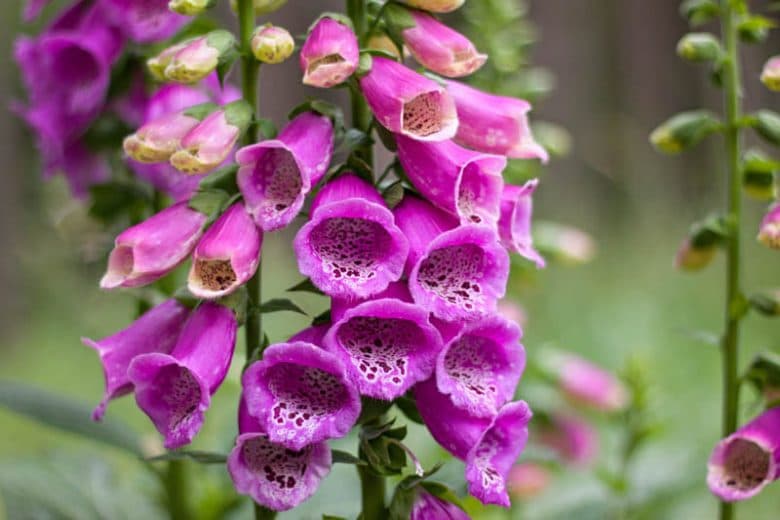
- Cardenolides – 5-membered lactone ring (e.g., Digoxin, Digitoxin from Digitalis)
- Bufadienolides – 6-membered lactone ring (e.g., Squill, Bufalin from toad venom)
3. Saponin Glycosides
Aglycone (sapogenin) produces foam/froth on shaking with water; hemolytic.
- Types:
- Steroidal saponins (spirostane nucleus) – e.g., Diosgenin (Dioscorea)
- Triterpenoid saponins (pentacyclic nucleus) – e.g., Glycyrrhizin (Liquorice), Ginseng saponins
4. Cyanogenetic (Cyanophore) Glycosides
Yield hydrocyanic acid (HCN) on hydrolysis; toxic in nature.
- Examples: Amygdalin (bitter almond), Prunasin (cherry laurel), Linamarin (linseed)
5. Bitter Glycosides (Bitters)
Possess intense bitter taste; used as appetite stimulants/tonics.
- Examples: Picrocrocin (Saffron), Amarogentin (Gentian), Quassin (Quassia)
6. Flavonoid Glycosides
Aglycone is a flavonoid nucleus (C6-C3-C6 skeleton).
- Examples: Rutin, Hesperidin, Quercitrin (Citrus, Buckwheat)
7. Coumarin Glycosides
Aglycone is a coumarin (benzo-α-pyrone) derivative.
- Examples: Aesculin (Horse chestnut), Umbelliferone
8. Isothiocyanate (Mustard oil) Glycosides
On hydrolysis, yield pungent isothiocyanates.
- Examples: Sinigrin (black mustard), Sinalbin (white mustard)
9. Aldehyde Glycosides
Aglycone contains an aldehyde group.
- Example: Vanillin glycoside (Vanilla)
10. Alcoholic Glycosides
Aglycone is a simple alcohol.
- Example: Salicin (from Salix – willow bark), which yields saligenin (salicyl alcohol)
11. Phenolic Glycosides
Aglycone contains a phenolic group.
- Example: Arbutin (from Uva-ursi / bearberry) – used as a urinary antiseptic
Summary Table
| Class | Aglycone Nature | Example | Source | Use |
|---|---|---|---|---|
| Anthraquinone | Anthracene derivative | Sennoside | Senna | Laxative |
| Cardiac | Steroid + lactone | Digoxin | Digitalis | Heart failure |
| Saponin | Steroidal/triterpenoid | Glycyrrhizin | Liquorice | Expectorant |
| Cyanogenetic | Nitrile (releases HCN) | Amygdalin | Bitter almond | Toxic/flavoring |
| Bitter | Bitter principle | Amarogentin | Gentian | Appetite stimulant |
| Flavonoid | Flavonoid nucleus | Rutin | Buckwheat | Vascular protectant |
| Coumarin | Benzopyrone | Aesculin | Horse chestnut | Anti-inflammatory |
| Isothiocyanate | Mustard oil | Sinigrin | Black mustard | Rubefacient |
| Aldehyde | Aldehyde group | Vanillin glycoside | Vanilla | Flavoring |
| Alcoholic | Simple alcohol | Salicin | Willow bark | Analgesic |
| Phenolic | Phenol | Arbutin | Uva-ursi | Urinary antiseptic |
Important Medical Disclaimer
This content is provided for educational and academic purposes only (e.g., pharmacognosy coursework) and does not constitute medical advice, diagnosis, or treatment recommendations. Several glycosides discussed here — including cardiac glycosides, anthraquinone (laxative) glycosides, and cyanogenetic glycosides — have narrow therapeutic margins or significant toxicity and should never be used, dosed, or self-administered based on this summary. Anyone with questions about a specific drug, plant product, or suspected poisoning should consult a qualified physician, pharmacist, or poison control center rather than relying on this article.
Related reading
If this article on Chemical Classification of Glycosides was helpful, explore these related guides for more practical information on similar topics.
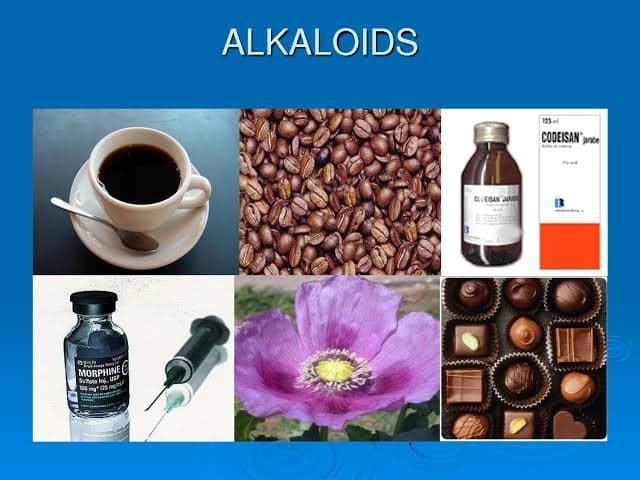
- Alkaloids: Definition, Characteristics, Classification — Alkaloids are defined as a group of naturally occurring chemical compounds that mostly contain basic nitrogen atoms. The term "alkaloid"…
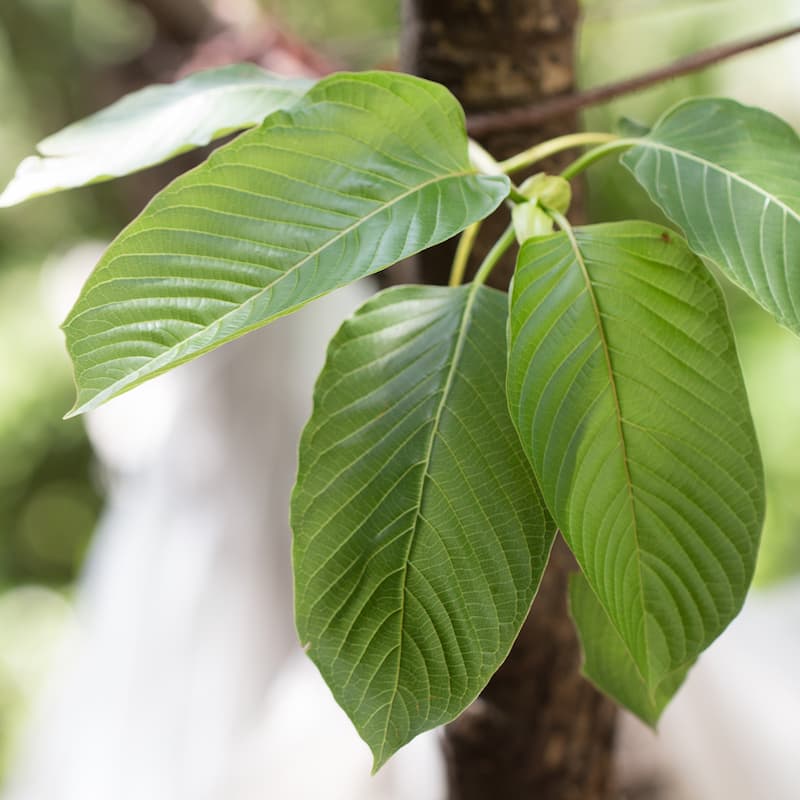
- Plant-Derived Alkaloids: Is Kratom Itself an Alkaloid? — From isolation to therapeutic application — a structured review for pharmacy curricula.
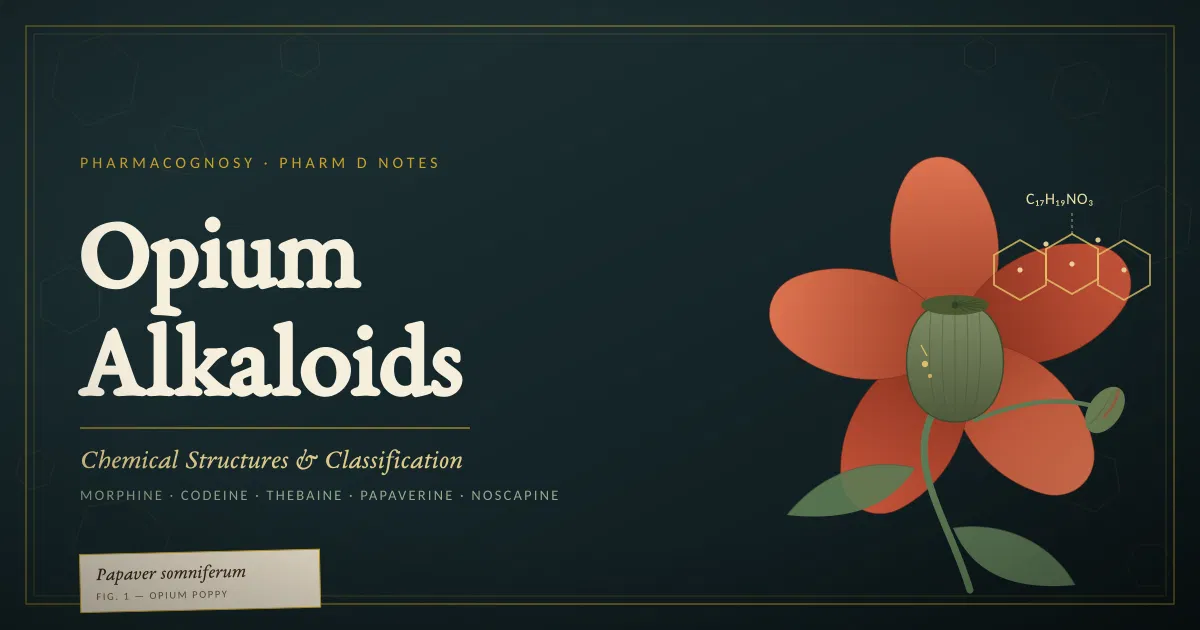
- Opium Alkaloids and Their Chemical Structures: A Complete Guide — Introduction Opium is one of the oldest medicines known to humans, and it is also the starting point for one of the most important drug c…
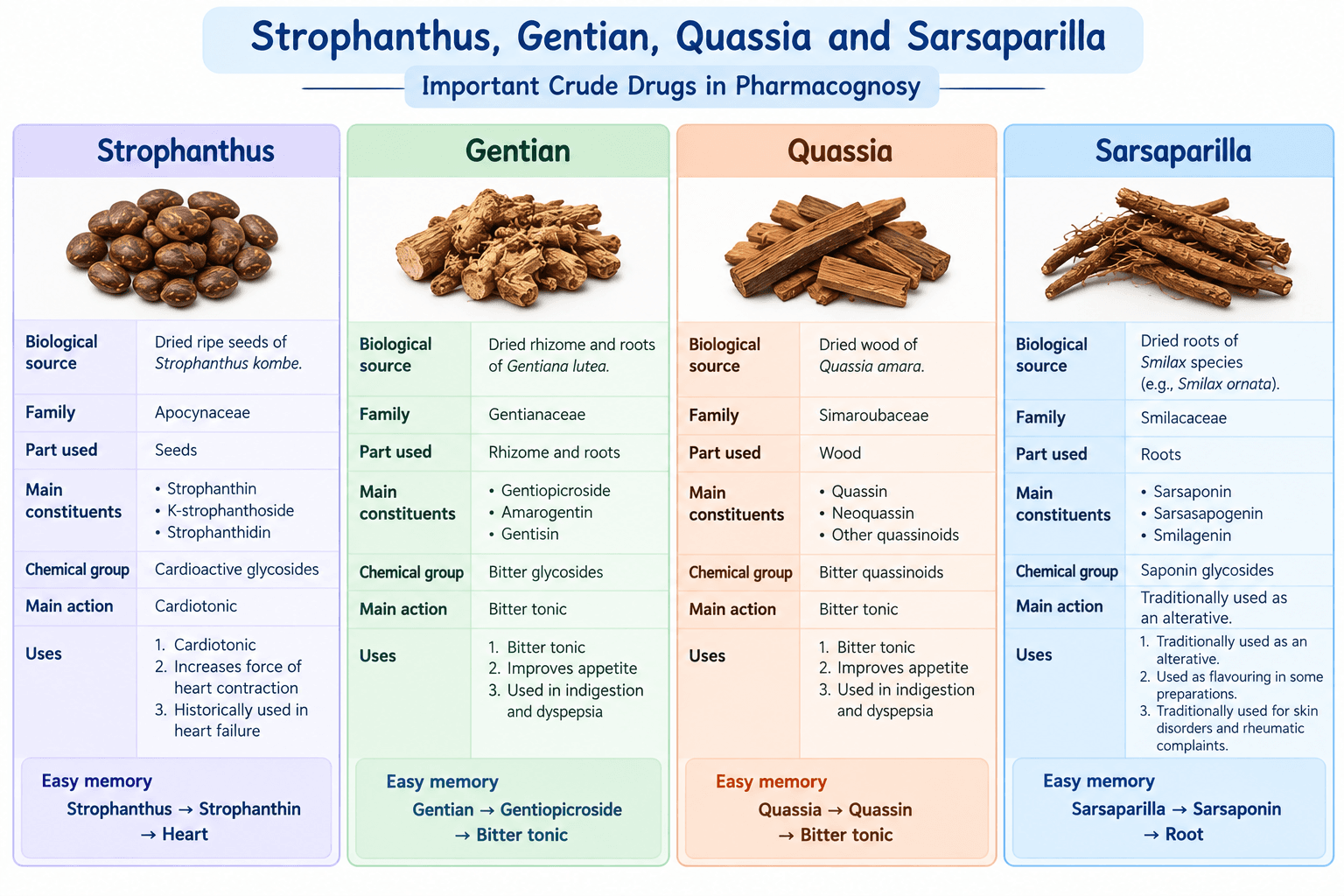
- Strophanthus, Gentian, Quassia and Sarsaparilla: Safe Uses — Understand these four medicinal plants, which parts are used, what evidence supports their uses, and why strophanthus is unsafe for self-…
- Extraction Methods of Alkaloids — Extraction Methods of Alkaloids: A Simple Pharm D Guide Introduction If you've studied pharmacognosy even a little, you already know alka…
- Tropane Alkaloids: Atropine, Hyoscyamine, Scopolamine & Cocaine — Tropane alkaloids are a group of naturally occurring alkaloids that contain a characteristic tropane ring system in their chemical struct…