What Causes Blood in Stool? Causes, Warning Signs, and What to Do
Blood in stool can come from a small tear or swollen veins near the anus, but it can also signal infection, bowel inflammation, a stomach ulcer, or…
By Dr. Amina Rahman, PharmD8 min read
Reviewed by Medical Review Team ·
Blood in stool can come from a small tear or swollen veins near the anus, but it can also signal infection, bowel inflammation, a stomach ulcer, or another condition that needs treatment. Bright-red blood often comes from the lower bowel or anus; black, sticky stool can indicate bleeding higher in the digestive tract. Colour alone cannot identify the cause. Seek emergency care for heavy bleeding, fainting, severe weakness, severe abdominal pain, or black tarry stool. Even a small amount of blood deserves medical advice if it recurs or has no clear explanation.
What blood in stool can look like
Blood may appear on toilet paper, coat the outside of a stool, drip into the toilet, or be mixed through the stool. It can be bright red, dark red, or make stool look black and tarry. Bleeding can be visible, or a test may find a small amount that cannot be seen.
The appearance offers clues but is not a reliable diagnosis. Bright-red blood is often from the anus, rectum, or lower bowel, but brisk bleeding from higher in the digestive system can sometimes also look red. Black, sticky, unusually foul-smelling stool may be digested blood from the stomach or upper bowel. Iron tablets and some foods can darken stool too, but do not assume that a black stool is harmless if it is tarry, new, or accompanied by illness.
Common causes
Haemorrhoids
Haemorrhoids are swollen veins in or around the anus. They can cause bright-red blood on paper or on the outside of stool, itching, discomfort, or a lump. Constipation and straining can make symptoms worse. Although haemorrhoids are common, bleeding should not automatically be blamed on them—particularly if it is new, persistent, mixed into the stool, or accompanied by changes in bowel habits or weight loss.
Anal fissure
A fissure is a small tear in the skin at the anal opening. It commonly causes sharp pain during or after a bowel movement and a small streak of bright-red blood. Hard stool, constipation, or passing a large stool can trigger it. Persistent pain or bleeding needs assessment, since other conditions can cause similar symptoms.
Infection and inflammation
Gut infections can cause bloody diarrhoea, sometimes with cramps, fever, nausea, or vomiting. In Pakistan, diarrhoea may follow contaminated food or water, but blood in diarrhoea should not be treated as routine “stomach upset.” Inflammatory bowel diseases, such as ulcerative colitis and Crohn’s disease, can cause recurring blood, diarrhoea, urgency, abdominal pain, fatigue, or weight loss. Other forms of bowel inflammation are also possible.
Ulcers and other digestive-tract bleeding
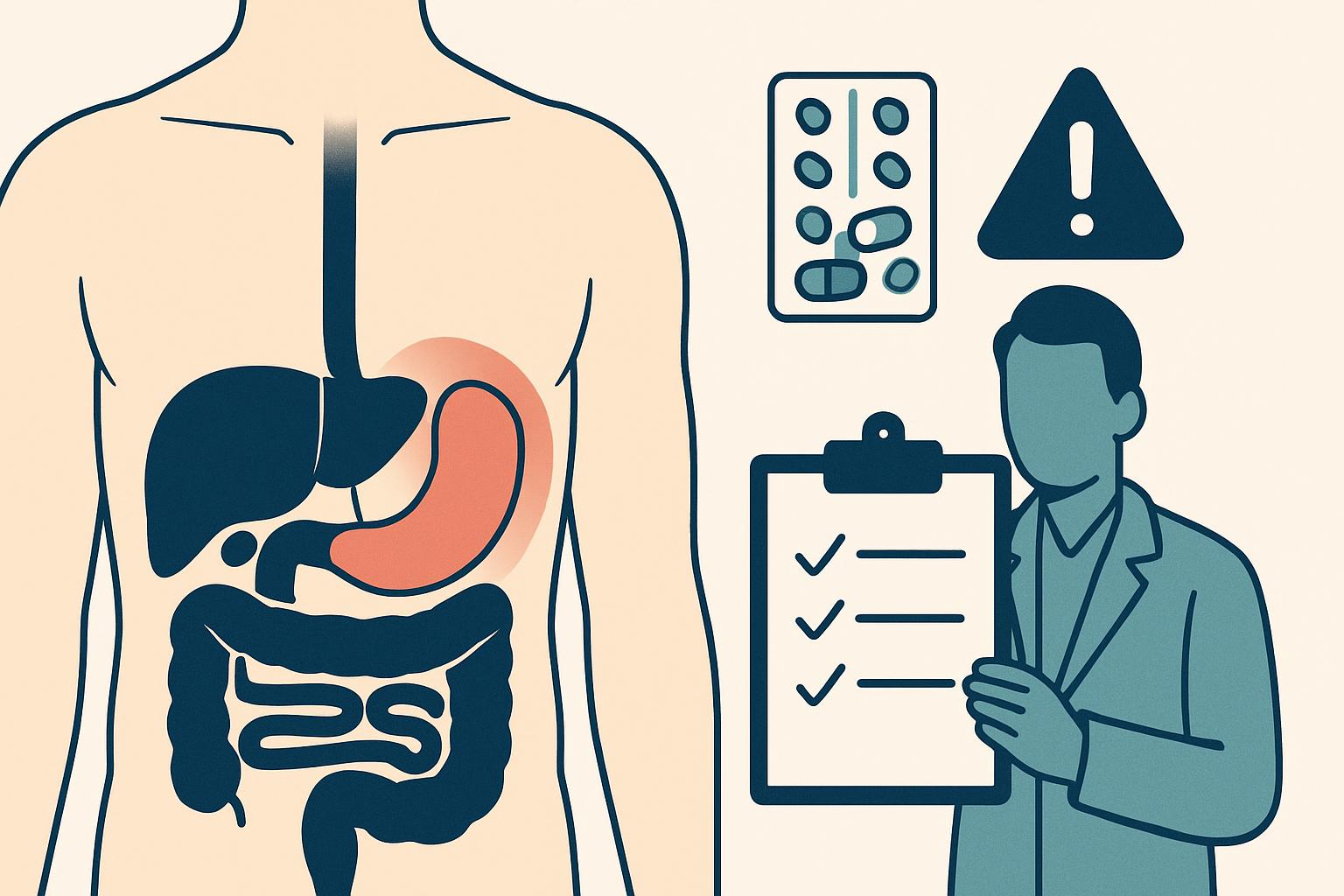
An ulcer in the stomach or upper small bowel can bleed and produce black, tarry stool or, less commonly, vomiting of blood or material that resembles coffee grounds. Some pain-relieving medicines, including non-steroidal anti-inflammatory drugs (NSAIDs), can increase the risk of ulcers and bleeding. Do not stop a prescribed medicine on your own; contact the prescriber or pharmacist promptly if you notice bleeding and ask what to do before taking further non-prescribed painkillers.
Polyps and bowel cancer
Polyps are growths in the bowel; some can bleed, and some may become cancerous over time. Bowel cancer can cause blood in stool, a lasting change in bowel habits, unexplained weight loss, tiredness, or a feeling that the bowel has not emptied. These symptoms can also have less serious causes, but need medical assessment. Do not wait for pain—some important bowel conditions do not cause pain early on.
Other possibilities
Bleeding can also result from diverticular disease, blood-vessel problems, injury, or complications after a procedure. In children, causes differ by age and can include a fissure, infection, or other bowel condition. A child with blood in stool should be assessed by a clinician, especially if there is fever, pain, vomiting, unusual sleepiness, or more than a tiny streak.
When to seek urgent help
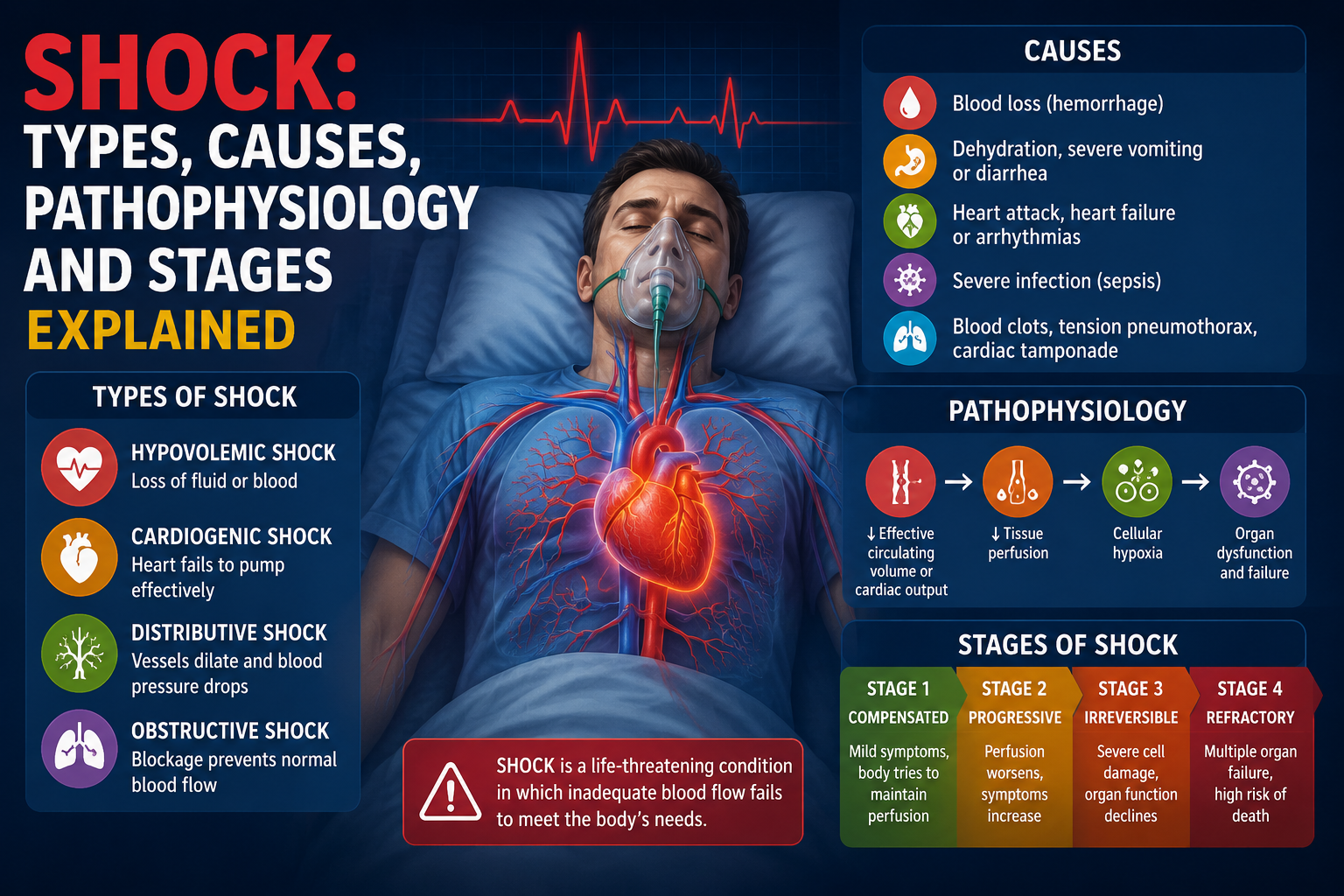
Go to an emergency department or call local emergency services now if bleeding is heavy or continuing, you pass clots, the toilet bowl fills with blood, or you feel faint, confused, breathless, very weak, or clammy. Also seek emergency care for black tarry stool, vomiting blood, severe or worsening abdominal pain, or bloody diarrhoea with signs of dehydration such as very little urine, marked dizziness, or inability to keep fluids down. Do not drive yourself if you feel faint.
Get same-day medical advice for blood mixed through stool, repeated bleeding, bloody diarrhoea, fever with blood, or new bleeding while taking a blood thinner. Medicines that affect clotting include anticoagulants and some antiplatelet medicines. Tell the clinician exactly what you take, including medicines obtained without a prescription. Do not stop a prescribed blood thinner or low-dose aspirin without urgent advice: stopping it can also be dangerous.
Arrange a prompt appointment if bleeding happens more than once, continues, or comes with a lasting change in bowel habits, unexplained weight loss, unusual tiredness, or a family history of bowel cancer or bowel disease. In Pakistan, contact a qualified doctor or nearby hospital; if symptoms are severe, use emergency care rather than waiting for a routine appointment.
What to do while arranging care
If you are stable and the bleeding is a small streak, note when it began, how often it happens, the colour and amount, and whether blood is on the paper, on the stool, or mixed in. Note pain, constipation, diarrhoea, fever, recent travel, and any medicines or supplements. A photograph may help explain what you saw, but do not delay urgent care to collect one.
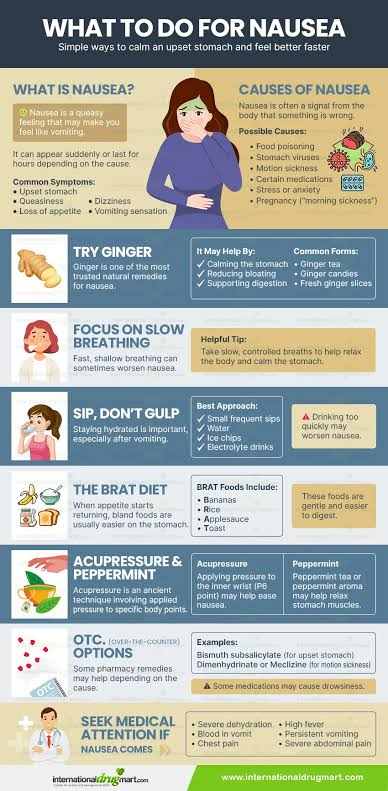
Drink safe fluids if you can, especially with diarrhoea, but do not use home treatment as a substitute for assessment when warning signs are present. Avoid straining. If constipation is a concern and there are no red flags, a pharmacist can help you check whether a fibre product or other constipation treatment is suitable. Ask first if you are pregnant, have kidney or heart disease, take regular medicines, or have severe pain, vomiting, or a swollen abdomen. Do not start anti-diarrhoea medicine for bloody diarrhoea unless a clinician specifically advises it.
Avoid taking extra aspirin or NSAIDs such as ibuprofen for pain until you have checked with a clinician or pharmacist, particularly if bleeding may be coming from the stomach or bowel. Do not change prescribed medicines by yourself. In Pakistan, medicine packaging and instructions may vary: check the active ingredient, strength, expiry date, and directions on the label, and show the packet or a clear photo to a pharmacist. Do not combine products with the same active ingredient or use someone else’s prescription.
How a clinician may find the cause
A clinician will ask about the bleeding, bowel habits, pain, other symptoms, medical history, and medicines. They may check vital signs and examine the abdomen and, when appropriate, the area around the anus. Depending on the situation, they may recommend blood or stool tests, or a procedure to examine the bowel or stomach. The right tests depend on your age, symptoms, examination, and risk factors. Ask what each test is for, how urgently it is needed, and how you will receive the results.
Do not delay an appointment because you are embarrassed. Clinicians assess these symptoms routinely. If cost, transport, or access is difficult, tell the clinic when booking and ask about the safest available route for assessment; urgent warning signs still need emergency care.
Frequently asked questions
Can constipation cause blood in stool?
Yes. Hard stool and straining can cause a fissure or aggravate haemorrhoids, leading to a small amount of bright-red blood. However, constipation does not prove that these are the cause. Seek medical advice if bleeding recurs, is mixed into stool, or comes with other symptoms.
Does bright-red blood mean the cause is harmless?
No. It often comes from a source near the anus, but the colour cannot rule out a more serious cause. Repeated or unexplained bleeding needs assessment.
Can food or iron tablets make stool look bloody or black?
Some foods can change stool colour, and iron can make stool dark. That does not explain visible red blood, and it may be hard to distinguish harmless darkening from digested blood. If stool is black and tarry, or you feel unwell, seek urgent care rather than relying on a food or supplement explanation.
Should I take medicine to stop the bleeding?
There is no safe, general-purpose medicine for unexplained blood in stool. Treatment depends on the cause. Avoid self-treating bloody diarrhoea or starting painkillers, laxatives, or other medicines without checking whether they are appropriate. A pharmacist can review labels and interactions, but bleeding with red flags needs a doctor or emergency service.
Medical disclaimer
This guide is for general education and does not diagnose or replace care from a qualified health professional. Blood in stool can have causes ranging from minor to serious, and symptoms alone cannot confirm the cause. Seek emergency help for severe or bleeding, fainting, black tarry stool, vomiting blood, severe pain, or signs of dehydration. For any new, repeated, or unexplained bleeding, contact a doctor promptly.
Related reading
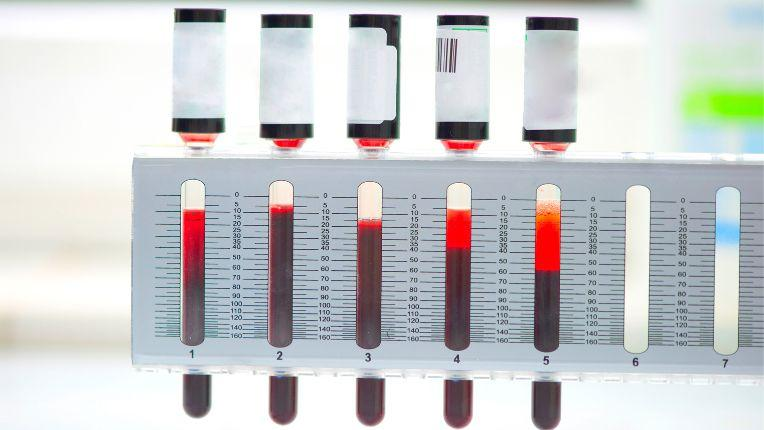
Learn more about tests that can help assess inflammation.
- sedimentation rate blood test: Normal Range and What an Elevated Level Means — Understand what an elevated sedimentation rate may indicate and how the test is interpreted.
Important Medical Disclaimer
This article is for general educational purposes and is not a substitute for advice from a qualified doctor or pharmacist. Always consult your doctor/pharmacist before using any medicine, changing a dose, or starting treatment.