sedimentation rate blood test: Normal Range and What an Elevated Level Means
ای ایس آر جسم میں سوزش کا اشارہ دیتا ہے، بیماری کا حتمی نام نہیں۔ نارمل حدود، بڑھی شرح، ٹیسٹ کی تیاری اور فوری معائنے کی علامات آسان اردو میں سمجھیں۔
By Dr. Khalid Mehmood, MD10 min read
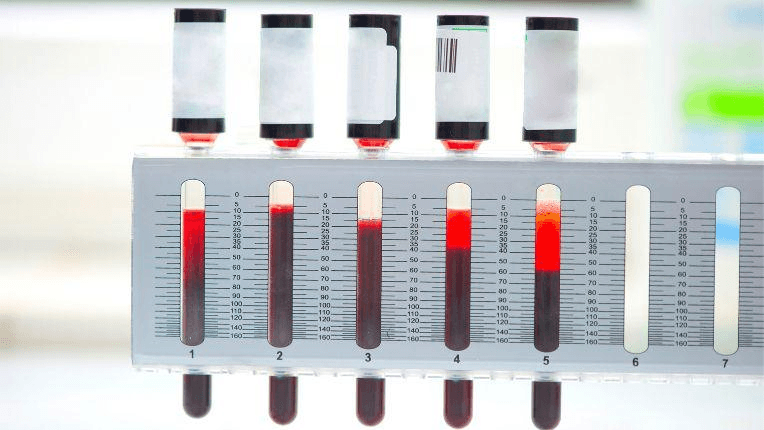
The erythrocyte sedimentation rate (ESR), commonly known as the sedimentation rate, is a blood test that provides an indirect indication of inflammation in the body. An elevated ESR level does not, by itself, diagnose an infection, arthritis, or cancer. The result must be interpreted alongside symptoms, physical examination findings, and other laboratory reports.
Do not panic just because of a number. This educational guide does not endorse any particular brand, laboratory, or company's products as the best option. Ask a pharmacist about appropriate alternatives to prescribed medicines when needed.
Quick Facts
| Information | Details |
|---|---|
| General name | Erythrocyte sedimentation rate |
| Common name | ESR or sedimentation rate |
| Nature | An indirect marker of inflammation; not a medicine |
| Primary use | Helps investigate symptoms and monitor certain diseases |
| Sample | Usually blood drawn from a vein in the arm |
| Result unit | Millimeters per hour (mm/hr) |
| Fasting requirement | Generally unnecessary for this test alone |
| Common discomfort | Needle prick, mild pain, or bruising |
| Result turnaround time | Confirm with the relevant laboratory |
What Does the Sedimentation Rate Tell You?
A blood sample is placed in a special tube, and the laboratory measures how far red blood cells settle in hour. During inflammation, certain proteins in the blood increase, causing red blood cells to clump together and settle more quickly.
However, this relationship is not always straightforward. Anemia, pregnancy, age, and the structure of red blood cells can also affect the ESR. Therefore, a higher number does not necessarily indicate a more dangerous disease. Results may also vary slightly depending on the laboratory's equipment and testing method.
When Do Doctors Recommend an ESR Test?
An ESR test may help investigate persistent fever, joint pain or swelling, morning stiffness, unexplained weight loss, and symptoms that do not improve as expected. It may also be repeated to monitor certain inflammatory conditions during treatment.
It is not necessary for every episode of fatigue. Repeated testing simply for reassurance, without appropriate symptoms or medical indications, may cause unnecessary anxiety and expense because even minor changes can be misleading. First, understand what question your doctor is trying to answer.
What Is the Normal ESR Range?
Always check the reference range printed on your laboratory report. The following values are commonly cited for adults using the Westergren method, but the laboratory's method and your clinical circumstances can affect interpretation.
| Adult group | Common reference range (mm/hr) |
|---|---|
| Men younger than 50 | 0–15 |
| Women younger than 50 | 0–20 |
| Men aged 50 or older | 0–20 |
| Women aged 50 or older | 0–30 |
Do not automatically apply this table to children or pregnant women. A result flagged as outside the reference range is not a diagnosis. A mild elevation without symptoms and a very high result accompanied by persistent fever are different clinical situations.
What Do High and Low ESR Levels Mean?
Infections, inflammatory joint diseases, certain autoimmune disorders, some kidney diseases, and certain cancers may increase the ESR. However, anemia, pregnancy, and increasing age can also raise the result. Identifying the underlying cause is the main objective.
An ESR of 100 mm/hr or higher is generally considered a marked elevation and warrants prompt medical evaluation. Nevertheless, this number does not identify a specific disease, and not everyone with such a result requires hospital admission solely because of the number.
A low ESR is often not a problem by itself. A very high red blood cell count or certain abnormalities in red blood cell shape can lower the rate. Conversely, a normal ESR does not rule out every infection or inflammatory disease.
How Should You Prepare for the Test?
Fasting is generally unnecessary for an ESR test alone. However, if your doctor has also ordered a fasting blood glucose test or another test that requires fasting, follow the instructions for the complete test panel. Ask the laboratory if you are unsure. You can usually drink water as normal unless your doctor has instructed you to restrict fluids.
Take the following information with you when visiting the laboratory:
Your previous reports, their dates, and, if possible, results from the same laboratory.
A list of all medicines, vitamins, herbal remedies, and recent treatments.
Information about pregnancy, anemia, recent infections, or blood transfusions.
Details of blood-thinning medicines, unusual bleeding, or previous fainting episodes during blood collection.
Do not stop any medication on your own. If a sick child is having a blood sample taken, inform the staff beforehand so they can provide appropriate support and age-appropriate preparation.
Precautions and Possible Discomfort After Blood Collection
A small amount of blood is usually collected from a vein in the arm. Mild pain, a brief needle prick, or bruising may occur. Dizziness, prolonged bleeding, and infection at the puncture site are less common.
After the sample is collected, apply pressure with cotton or gauze to the puncture site and avoid rubbing it.
If you feel dizzy, sit down. People taking blood-thinning medicines may need to apply pressure for longer. Seek medical advice if bleeding does not stop, swelling increases rapidly, or the area becomes increasingly red and warm.
Pregnancy, Children, and People With Chronic Conditions
ESR can naturally increase during pregnancy. Therefore, interpreting a pregnant woman's result using standard adult reference ranges and immediately assuming an infection is inappropriate. Breastfeeding generally does not need to be interrupted for routine blood collection.
Children may have different reference ranges. In older adults and people with kidney disease or anemia, the underlying medical history is particularly important. Without this information, interpreting a new report may be incomplete.
These conditions do not generally prohibit ESR testing. However, inform the person collecting your blood if you have a bleeding disorder or a special medical line in your arm that affects where blood can be drawn.
How Can Medicines Affect the Result?
Anti-inflammatory medicines and corticosteroid treatment may lower ESR, while certain other medicines can also influence how the result is interpreted. Tell your doctor the exact medicine you take, how long you have been taking it, and whether your treatment has recently changed.
Simply saying that you take a painkiller may not provide enough information.
Lowering the number is not the same as treating the disease. Starting antibiotics or corticosteroids without medical advice may suppress symptoms and delay diagnosis. The appropriate medicine and dose depend on age, the condition being treated, the formulation, and medical history. Confirm medication decisions with a doctor or pharmacist.
How Should You Choose the Next Step After Receiving Your Report?
If the elevation is mild and you feel well, arrange a routine appointment with the doctor who ordered the test. Depending on your symptoms, the doctor may recommend a physical examination, a complete blood count, or repeating the test after an appropriate interval. Not everyone needs additional or expensive investigations.
Seek prompt medical evaluation if you have persistent fever, night sweats, unexplained weight loss, joint swelling, or worsening weakness. In Pakistan, starting tuberculosis treatment independently just because the ESR is elevated is a dangerous mistake. Diagnosing tuberculosis requires an assessment of symptoms and appropriate specific investigations.
Some symptoms require immediate medical attention. Do not wait for the ESR report if you experience severe difficulty breathing, chest pain, fainting, or confusion.
If you are older than 50 and develop a new severe headache, jaw pain while chewing, or changes in vision, seek urgent medical evaluation on the same day, even if your ESR is normal.
Comparing Previous and Current ESR Reports
ESR may change relatively slowly and can remain elevated for some time even after you start feeling better. Another inflammatory marker, C-reactive protein (CRP), generally changes more rapidly, but both tests provide different information. It is not accurate to say that is always better than the other in every situation.
Keep a simple record of the sample date, symptoms, medication start date, and result. Blood collected before treatment begins reflects the condition at the time of collection, even if the laboratory report arrives after treatment has started. This distinction matters when interpreting the result.
Whenever possible, compare results obtained using the same laboratory and testing method. If your symptoms are worsening, a falling ESR does not justify delaying care. Similarly, do not stop an effective treatment on your own simply because the ESR remains elevated.
Practical Information About Laboratories and Blood Samples
Delays in sample transportation, improper storage, or technical errors can affect test results. If you use a home blood collection service, ask how quickly the sample will reach the laboratory and how it will be transported, particularly in remote areas or during very hot weather.
Do not store the sample yourself. Check the patient's name, age, sex, collection date, units, and reference range on the report. A report belonging to another patient or an incorrectly recorded age can cause unnecessary concern.
Ask the laboratory directly about the test price and expected turnaround time.
Common Misconceptions About ESR
A high ESR always means cancer: No. Many common, non-cancerous conditions can increase ESR.
A normal result rules out every disease: No. Symptoms and physical examination findings remain important.
A special diet is enough to lower ESR: No specific diet can replace treatment of the underlying medical condition.
Testing every week is beneficial: The appropriate interval depends on the disease and the purpose of monitoring, not simply on the desire for reassurance.
Frequently Asked Questions
Is fasting necessary before an ESR test?
Generally, no. However, if other tests have been ordered at the same time, ask the laboratory about preparation requirements because some may require fasting.
Does a high ESR mean tuberculosis?
No. ESR cannot confirm tuberculosis. If you have a persistent cough, fever, unexplained weight loss, or contact with someone who has tuberculosis, your doctor can select the appropriate diagnostic tests.
Can an ESR test detect cancer?
ESR alone can neither confirm nor rule out cancer. Ordering a large number of cancer investigations solely because of an elevated ESR is not appropriate without further clinical assessment.
What should I do if my ESR is 40 or 50?
Your age, sex, laboratory reference range, and symptoms all matter. Show the report to your doctor. Avoid starting medication based solely on the number, but do not ignore the result without considering the clinical context.
Is an elevated ESR dangerous during pregnancy?
Not necessarily. Pregnancy itself can increase ESR. However, do not assume that fever, pain, or a significant deterioration in your health is a normal part of pregnancy. Inform your healthcare provider.
Should I stop my medicines before the test?
No. Do not stop medicines on your own. Show your medication list to your doctor, particularly if you take corticosteroids or blood-thinning medicines. Suddenly stopping treatment to prepare for a test may cause harm.
How many days later should the test be repeated?
There is no single interval suitable for everyone. Your doctor will decide based on your symptoms, medical condition, and response to treatment. Repeating the test the very next day often does not provide useful evidence of meaningful change.
Can I drive after having blood drawn?
Usually, yes, if you feel well. If you experience dizziness or weakness, rest first and do not drive until you have fully recovered. Ask someone to accompany you if necessary.
References
MedlinePlus: Patient information about the erythrocyte sedimentation rate test.
Mayo Clinic: Information about the sedimentation rate, its purpose, preparation, and interpretation.
Cleveland Clinic: Information about the ESR test, procedure, and results.
Important Medical Disclaimer
This article is intended for general educational purposes and is not a substitute for professional advice from a qualified doctor or pharmacist. Always consult your doctor or pharmacist before using any medicine, changing a dosage, or starting or modifying treatment.