Prednisone: Uses, Side Effects, and Safe Usage
پریڈنیزون کن بیماریوں میں دی جاتی ہے؟ خوراک لینے، شوگر کی نگرانی، انفیکشن کی پہچان اور دوا اچانک بند کرنے کے خطرے پر مریضوں کے لیے عملی رہنمائی۔
By Dr. Khalid Mehmood, MD5 min read
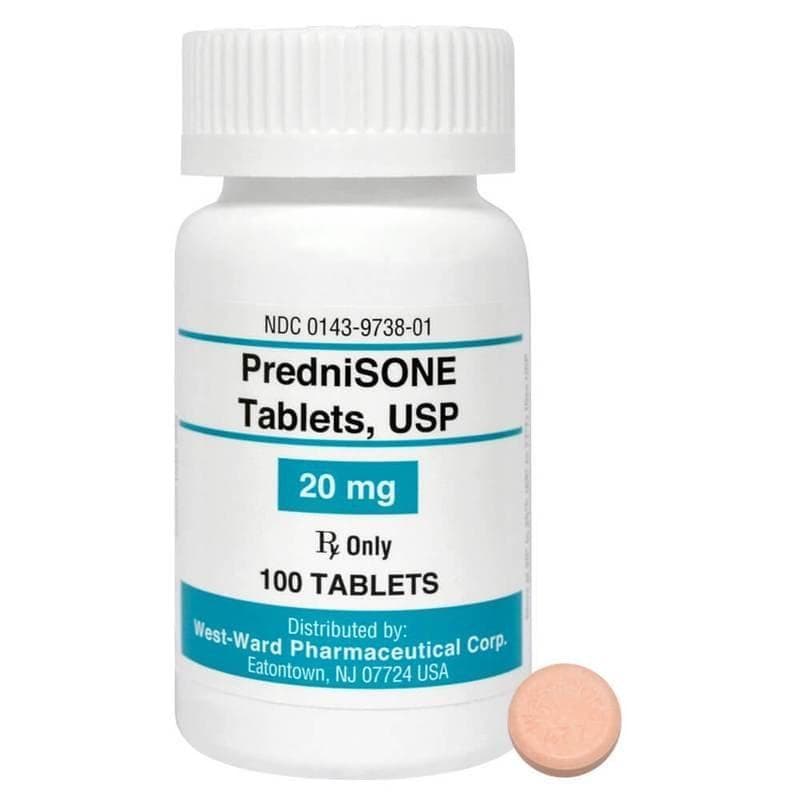
Prednisone is a prescription corticosteroid (steroid) medication that works by suppressing the immune system and reducing inflammation in the body. It is prescribed for a wide range of conditions, including severe allergies, asthma flare-ups, rheumatoid arthritis, lupus, skin disorders, and certain inflammatory bowel diseases.
This educational guide does not promote any single brand, nor does it endorse any company's products as the best. Always consult your doctor or pharmacist before making any changes to your treatment.
Quick Information
| Information | Details |
| Generic Name | Prednisone |
| Brand Name & Alternatives | Deltasone, Rayos, etc.; consult your pharmacist for local generic availability |
| Drug Category | Corticosteroid / Anti-inflammatory / Immunosuppressant |
| Primary Uses | Reducing inflammation and managing immune system-driven conditions |
| Available Forms | Tablets, oral solutions |
| Common Strengths | 1 mg, 2.5 mg, 5 mg, 10 mg, 20 mg, 50 mg |
| Route of Administration | Oral |
| Prescription Requirement | Strictly requires a doctor's prescription and medical supervision |
| Common Side Effects | Increased appetite, weight gain, mood changes, difficulty sleeping, stomach irritation |
Introduction: What is Prednisone?
Prednisone is a synthetic hormone similar to cortisol, which your adrenal glands naturally produce. It is a powerful medication used to calm down an overactive immune system or severe inflammation that other drugs cannot control.
It is not a simple painkiller or a quick fix for minor illnesses. Because it affects multiple systems in the body, it must be used carefully and under strict medical guidance.
How Does the Medication Work?
Prednisone mimics natural anti-inflammatory hormones, blocking substances in the body that cause inflammation, swelling, and allergic reactions. It also dampens immune cell activity.
Because of how it affects the body's hormonal balance, prednisone must never be stopped abruptly if taken for more than a few days. Your doctor will provide a tapering schedule so your adrenal glands can safely resume natural hormone production. Stopping suddenly can cause dangerous withdrawal symptoms, extreme fatigue, and a return of your original symptoms.
Uses: What Is It Prescribed For?
Prednisone is used for conditions where inflammation or immune overactivity causes tissue damage or severe symptoms:
Respiratory Issues: Severe asthma attacks or chronic obstructive pulmonary disease (COPD) flares.
Allergic Reactions: Severe allergic conditions, poison ivy, or severe skin rashes.
Autoimmune Diseases: Rheumatoid arthritis, lupus, and other conditions where the immune system attacks healthy tissues.
Other Inflammatory States: Certain kidney, blood, or bowel disorders.
Dosage and Administration
The correct dose of prednisone varies greatly depending on the condition being treated, its severity, and your overall health.
Timing: It is usually taken by mouth with food or milk to reduce stomach upset. Taking it in the morning is often recommended to mimic the body's natural cortisol peak and help prevent insomnia.
Strict Adherence: Follow your doctor’s prescribed tapering schedule precisely. Do not increase, decrease, or skip doses on your own.
Common Side Effects
Short-term use may cause mild side effects, while long-term use can lead to more significant changes. Common effects include:
Increased appetite and temporary weight gain
Mood swings, irritability, or feelings of anxiety
Trouble sleeping (insomnia)
Mild stomach irritation or indigestion
Temporary spikes in blood sugar levels
Safety Action Table
| Symptom | Practical Step |
| Severe allergic reaction (swelling of face/lips, trouble breathing) | Stop medication and seek immediate emergency help |
| Signs of severe infection (fever, chills, persistent sore throat) | Contact your doctor promptly; steroids can mask infection signs |
| Unexplained severe depression, hallucinations, or extreme mood changes | Contact your prescribing physician immediately |
| Severe upper stomach pain, black or bloody stools | Stop use and seek urgent medical evaluation (risk of ulcers) |
Warnings and Precautions
Infections: Prednisone suppresses your immune system, making you more susceptible to infections and making existing infections harder to fight. Avoid close contact with people who have contagious illnesses like chickenpox or measles.
Blood Sugar & Blood Pressure: It can raise blood sugar (requiring careful monitoring for diabetes patients) and increase blood pressure.
Bone Health: Long-term use can weaken bones (osteoporosis). Your doctor may recommend calcium, vitamin D, or bone-protecting medications.
Medical Procedures: Inform any healthcare provider or dentist that you are taking or have recently taken prednisone before undergoing surgery or procedures.
Interactions with Other Medications
Always share your complete medication list with your doctor or pharmacist, including over-the-counter drugs and herbal supplements.
NSAIDs (like Ibuprofen or Aspirin): Taking these alongside prednisone increases the risk of stomach ulcers and bleeding.
Vaccines: Live vaccines should generally be avoided while on immunosuppressive doses of prednisone because your immune system cannot safely handle them.
Diabetes and Blood Pressure Medications: Prednisone can counteract their effectiveness, requiring dosage adjustments.
Frequently Asked Questions
Can I stop taking prednisone suddenly if I feel better?
No. Stopping abruptly can cause dangerous adrenal suppression and severe withdrawal symptoms. Always follow your doctor's tapering schedule.
Why does prednisone make me feel hungry or gain weight?
Prednisone alters metabolism and increases appetite, which often leads to fluid retention and weight gain during treatment. These effects usually reverse after stopping the medication under medical guidance.
Can I take prednisone on an empty stomach?
It is generally recommended to take it with food or milk to minimize stomach upset and irritation.
Does prednisone affect blood sugar levels?
Yes, it can raise blood sugar levels. If you have diabetes, you will need to monitor your blood glucose more frequently while on this medication.
References
U.S. Food and Drug Administration (FDA): Prescribing information and patient guidance for corticosteroid medications.
Mayo Clinic: Prednisone oral route descriptions, side effects, and proper use.
National Health Service (NHS), UK: Guidance on taking oral steroids safely.
Important Medical Disclaimer
This content is for educational purposes and does not substitute for professional medical advice from a qualified doctor or pharmacist. Always consult your doctor or pharmacist before using any medication, dosage, or treatment.