Protege Sachet: Understanding Its Ingredients, Uses, and Essential Precautions
پروٹیج ساشے لینے سے پہلے اجزا، خوراک اور گھولنے کی ہدایت کیسے جانچیں؟ بچوں، اسہال، دوسری ادویات اور خطرے کی علامات کے لیے محتاط رہنمائی پڑھیں۔
By Dr. Khalid Mehmood, MD12 min read
Reviewed by Medical Review Team ·
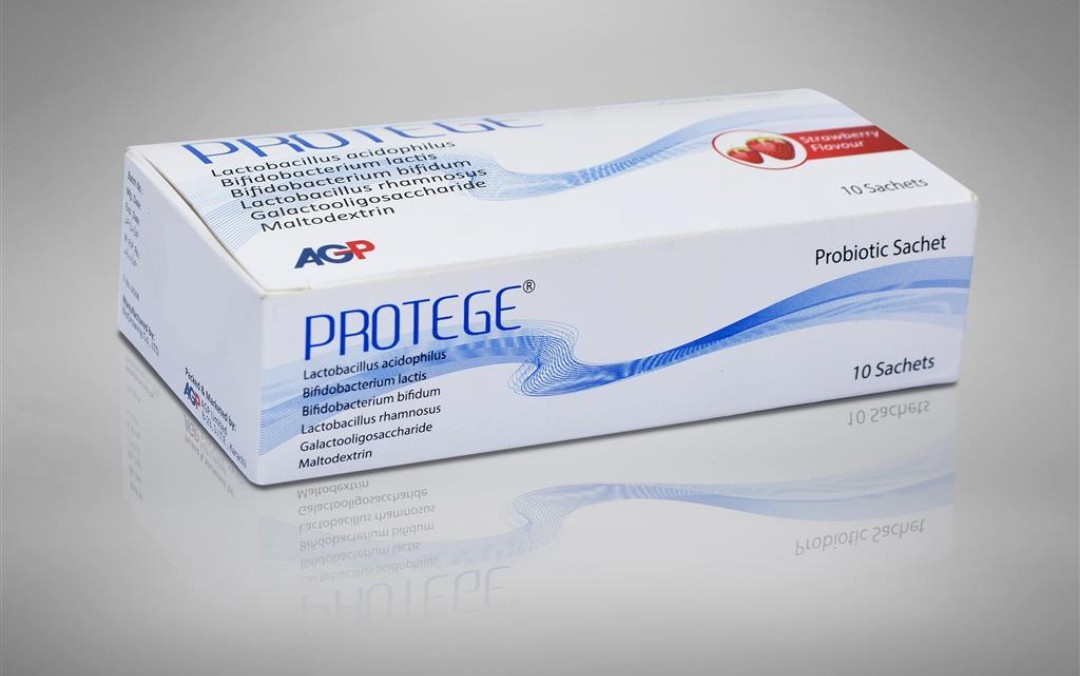
To confirm the active ingredients and primary uses of Protege sachet, the original packaging or an official company instruction leaflet is required. It is not safe to classify it as a treatment for diarrhea, constipation, or a nutritional deficiency based solely on its name. A certified formulation is not available for this guidance, so neither the dosage nor the drug category has been guessed.
First, identify the packaging, especially before administering it to a child. This educational guidance does not endorse any company's products as the best. You may ask a pharmacist for a suitable generic alternative, but ensure any substitution is made after checking the ingredients.
Quick Information
| Information | Details |
| Generic Name | Certified details of active ingredients are not available; verification from the packaging is essential. |
| Brand Name & Alternatives | Protege; it is inappropriate to suggest alternative names without knowing the formulation. |
| Drug Category | Cannot be determined from the name alone. |
| Primary Uses | Dependent on active ingredients and approved instructions. |
| Available Form | Sachet mentioned in search; see the original packaging. |
| Common Strengths | Quantity per sachet needs verification. |
| Route of Administration | See packaging instructions; do not take as a solution or dry powder on your own. |
| Prescription Requirement | Verify with a local pharmacist. |
| Common Side Effects | Providing a specific list is incorrect without knowing the composition. |
Introduction: What to Look for on the Packaging?
A sachet means a small sealed pouch, not a specific type of medication. It may contain beneficial bacteria (probiotics), electrolytes, fiber, or other ingredients, and the method of use varies for each formulation. Even if names sound similar, the ingredients are not necessarily the same.
A picture of the front of the box is not enough. Check the back for active ingredients, quantity per sachet, manufacturer, expiration date, and storage instructions, then match the name on the inner pouch as well. If you receive a loose pouch, ask the pharmacy to show you the original box.
If the prescription writing is unclear, do not guess. Getting the name of the medication written down prevents future errors.
How Does the Medication Work?
The mechanism of action is determined by the specific ingredients. Without verifying the composition of Protege, no specific physical effect or time can be promised.
If the packaging lists live beneficial bacteria, they may affect the balance of microflora in the gut; however, the benefits vary depending on the specific strain, condition, and patient's health status. Not all such formulations are equally effective.
On the other hand, an oral rehydration solution (ORS) serving to replenish water and electrolytes has a completely different purpose. Treating it as a substitute for a probiotic pouch can be dangerous. Distinguish between the two clearly.
Uses: What Purpose Is It Prescribed For?
Ask this primary question first: What complaint was this prescribed for in the recipe/prescription? A stomach upset, antibiotic use, or loss of appetite do not all share the same treatment, and a relative benefiting from it does not prove its suitability for you.
If the Purpose is Support During Diarrhea
Even if the packaging proves it is a probiotic formulation, do not assume it is a universal cure for all types of diarrhea. Certain specific strains may help in some situations, but an unknown sachet cannot be recommended on this basis.
Manage dehydration first. Using an appropriate electrolyte solution, continuing breastfeeding for an infant, and timely recognition of medical needs are far more important. Do not waste time trying out a pouch if there is blood in the stool, persistent vomiting, or severe abdominal pain.
Do not start self-use for constipation, weight gain, or daily bowel maintenance. These purposes are not verified here.
Dosage and Administration
The correct dosage depends on age, condition, formulation shape, active ingredients, and medical history; always confirm with your doctor or pharmacist. Giving half an adult's sachet to a child is not a reliable method.
Practical Steps: Take the packaging and have the following noted down:
What is the dose to be taken at time and how many times a day?
Should it be taken dry or mixed in a liquid?
In which liquid and in what quantity should it be dissolved?
Should it be taken before, during, or after meals?
Must it be consumed immediately after preparation, or can it be stored?
If the formulation is proven to contain live bacteria, avoid mixing it with very hot tea or milk, as heat can affect their survival. Handle remaining preparation instructions according to the package.
Mixing it into a baby's entire milk bottle creates a practical problem: if the bottle is not finished, it is impossible to know how much medication was actually consumed. Ask your pharmacist for a proper method; do not attempt to finish the dosage by feeding leftover beverage later.
Side Effects: Minor Discomfort or Danger Sign?
Specific common or uncommon side effects of Protege can be stated after knowing its composition. If it contains beneficial bacteria, some individuals may experience gas or bloating; do not assume this is a certified list for this specific name.
Not every discomfort is caused by the medication. Pre-existing infections, concurrent medications, or food can also be the cause, so note the time symptoms start and what was consumed alongside.
If you experience difficulty breathing, swelling of the lips or tongue, fainting, or a rapidly spreading severe reaction, stop taking further doses and seek emergency help immediately. For minor but persistent new discomforts, consult a pharmacist or doctor before the next dose.
Warnings and Precautions
Do not assume safety during pregnancy and breastfeeding simply because the words "natural" or "dietary" are read on the label. Checking active ingredients and additives is essential; inform your doctor about pregnancy or breastfeeding beforehand.
Children require individual assessment. Especially young infants, premature babies, or immunocompromised patients should not be given an unknown formulation; if live bacteria are included, these conditions require specialized medical evaluation.
If you have kidney, liver, or heart disease, show the packaging. The presence of electrolytes, minerals, or sugars may relate to dietary restrictions for certain patients, but their presence in Protege is not established here.
In elderly patients, drowsiness, dizziness, or reduced urination should not be brushed off merely as effects of aging. Such changes accompanying diarrhea may indicate the need for urgent attention, including dehydration management.
Interactions with Other Medications
Show your complete list. Include prescription drugs, over-the-counter pills, vitamins, herbs, and other sachets; not just names, but bring the packaging if possible.
If the formulation contains live bacteria, certain antibiotics can affect them, but establishing a single fixed interval for all products is incorrect. If yeast is included, separate questions regarding antifungal medications arise.
Therefore, do not rely on a self-made "two-hour rule." Determine proper intervals from food, beverages, or other medications based on the actual ingredients and instructions. Do not stop prescribed antibiotics on your own.
Who Should Not Take It?
If someone has a severe allergy to a proven ingredient, that formulation should not be taken again. A certified label is required to state specific contraindications for Protege; do not independently declare a serious illness as a permanent prohibition.
Stop use as a precaution and get identification if the pouch name or expiry date is unreadable, the seal is broken, or the inner pouch details differ from the outer box. Changing the dosage in such cases is not a solution.
What to Do in Case of Overdose
Do not panic; gather information. How many sachets were taken, at what time, the patient's age, and current symptoms; this exact information helps a doctor make an immediate decision.
Do not induce vomiting. Do not administer salt water or any home remedy. An excessive amount of an unknown formulation, especially if swallowed by a child, warrants immediate medical advice; keep the packaging with you. Go straight to the emergency department if there is respiratory distress, unconsciousness, or a seizure.
What to Do About a Missed Dose
Never take a double dose. If the time for the next dose is close, the missed dose is generally skipped, but determine this based on the specific sachet instructions after learning the exact formulation.
If a child drinks part of a solution and spills the rest, do not give a full pouch over again. The ingested amount remains unknown. Similarly, do not re-administer a dose on your own if vomiting occurs shortly after taking it.
How Long Should It Be Used?
The duration will also depend on the purpose. Stopping as soon as the stomach feels better or continuing it for months are both incorrect decisions without knowing the formulation and the reason for prescription.
Have the final day clarified on the prescription, and ask when a re-examination is necessary if no improvement occurs. Addiction risks or withdrawal effects cannot be determined from this name alone; do not stop other essential medications in its place.
Storage: Special Care in Hot Weather
Observe the storage temperature printed on the package. Not every sachet requires a refrigerator, and not every sachet can withstand intense ambient heat; therefore, ask for specific instructions rather than freezing or chilling on your own.
In warm climates, leaving a pouch in a closed vehicle or under a motorcycle seat is inappropriate. Avoid damp bathrooms and areas close to stoves.
Keep out of reach of children and store in the original packaging. Do not use pouches that are damp, leaking, or have a compromised seal; do not guess how long an opened pouch can be kept.
Different Forms and Strengths
Tablets, syrups, drops, or other strengths under this name are not verified here. Assuming their availability and listing them can lead a patient to incorrect products.
The total weight of the powder and the active ingredient quantity are two different things. If bacteria are included, their strain and listed count must also be examined; do not assume a larger sachet is automatically stronger.
Balanced Brand Comparison
Being expensive is not a guarantee of better quality. Do not choose a cheap alternative based solely on price; first, compare the generic active ingredient, quantity, form, and usage instructions.
| Comparison | Practical Question |
| Active Ingredients | Do the complete formulations of both match? |
| Quantity Per Dose | Does a single pouch yield an identical amount? |
| Probiotic Formulations | Are the specific strains identical as well? |
| Storage | Have they been kept under the required conditions? |
| Additional Ingredients | Is anything related to allergies or dietary restrictions included? |
A single foundational ingredient does not always guarantee an identical effect. Inquire about current prices and availability at your local pharmacy; no alternative brand has been suggested without verification.
Common Misconceptions
Every stomach pouch is an electrolyte solution: No; clear identification of a rehydration formulation is essential.
If it is a food product, it cannot cause harm: Additional ingredients, allergies, and the patient's underlying illness still matter.
Half an adult pouch is enough for a child: The actual formulation and approved instructions must be consulted along with age.
Fewer stools mean the danger is over: Urination, consciousness, thirst, and the ability to drink fluids must also be monitored.
If the name is the same, every package is identical: Match the complete formulation, manufacturer, and packaging details; do not decide based on the name alone.
Frequently Asked Questions
What is Protege sachet used for?
Without verified ingredients, confirming its primary use is not possible. Show the back of the package and the inner pouch to your pharmacist; afterward, it will become clear what purpose, age group, and method of use are appropriate.
Can it be taken after meals?
Its relationship with meals will depend on the formulation. Do not make general assumptions. If the timing is not written on the prescription, clarify with your pharmacist whether taking it after food is suitable or if specific instructions apply.
Can it be mixed in milk or water?
The original label will decide. Not every powder is meant to be mixed in every liquid; if it is a proven probiotic formulation, avoid very hot liquids, and ask for the proper method instead of mixing it into an infant's entire bottle.
Can it replace oral rehydration solution (ORS) in children's diarrhea?
No, an unknown sachet is not a substitute for ORS. Identify the packaging first. Seek immediate medical evaluation if the child refuses to drink fluids, has markedly reduced urination, becomes very lethargic, or passes bloody stools.
Is it safe to take with antibiotics?
Showing both names and ingredients is essential. Potential interactions and time intervals can vary depending on the formulation; stopping antibiotics on your own or using a single fixed interval for every pouch is incorrect.
Can it be used during pregnancy or breastfeeding?
Approval cannot be given without knowing the formulation. Inform your doctor about pregnancy or breastfeeding, and show any extra additives in the package; the mere label of being a dietary supplement does not guarantee complete safety.
Does it cause drowsiness or affect driving ability?
When ingredients are unknown, sedative effects cannot be confirmed. If you experience dizziness, weakness, or drowsiness after use, avoid driving; dehydration caused by diarrhea can also trigger such symptoms.
What should I do if the stomach gets worse after taking pouch?
Note any new or worsening discomfort and consult before the next dose. Do not wait if there is severe pain, bleeding, persistent vomiting, or signs of an allergy; bring the packaging and a list of concurrent medications to your medical visit.
References
World Health Organization guidelines on diarrheal diseases provide information on dehydration and basic care management. National Institutes of Health (NIH) Office of Dietary Supplements resources on probiotics outline their various effects and safety precautions. These general references do not verify the composition, dosage, or regulatory approval of Protege.
Important Medical Disclaimer
This content is for educational purposes and does not substitute for professional medical advice from a qualified doctor or pharmacist. Always consult your doctor or pharmacist before using any medication, dosage, or treatment.