High-Fiber Lentils and Beans: Selection, Portion Size, and Precautions
مسور، چنے، لوبیا اور راجما میں ریشے کی مقدار جانیں؛ ساتھ ہی گیس کم کرنے، قبض میں درست استعمال اور گردوں کے مریضوں کے لیے ضروری احتیاطیں سمجھیں۔
By Dr. Khalid Mehmood, MD5 min read
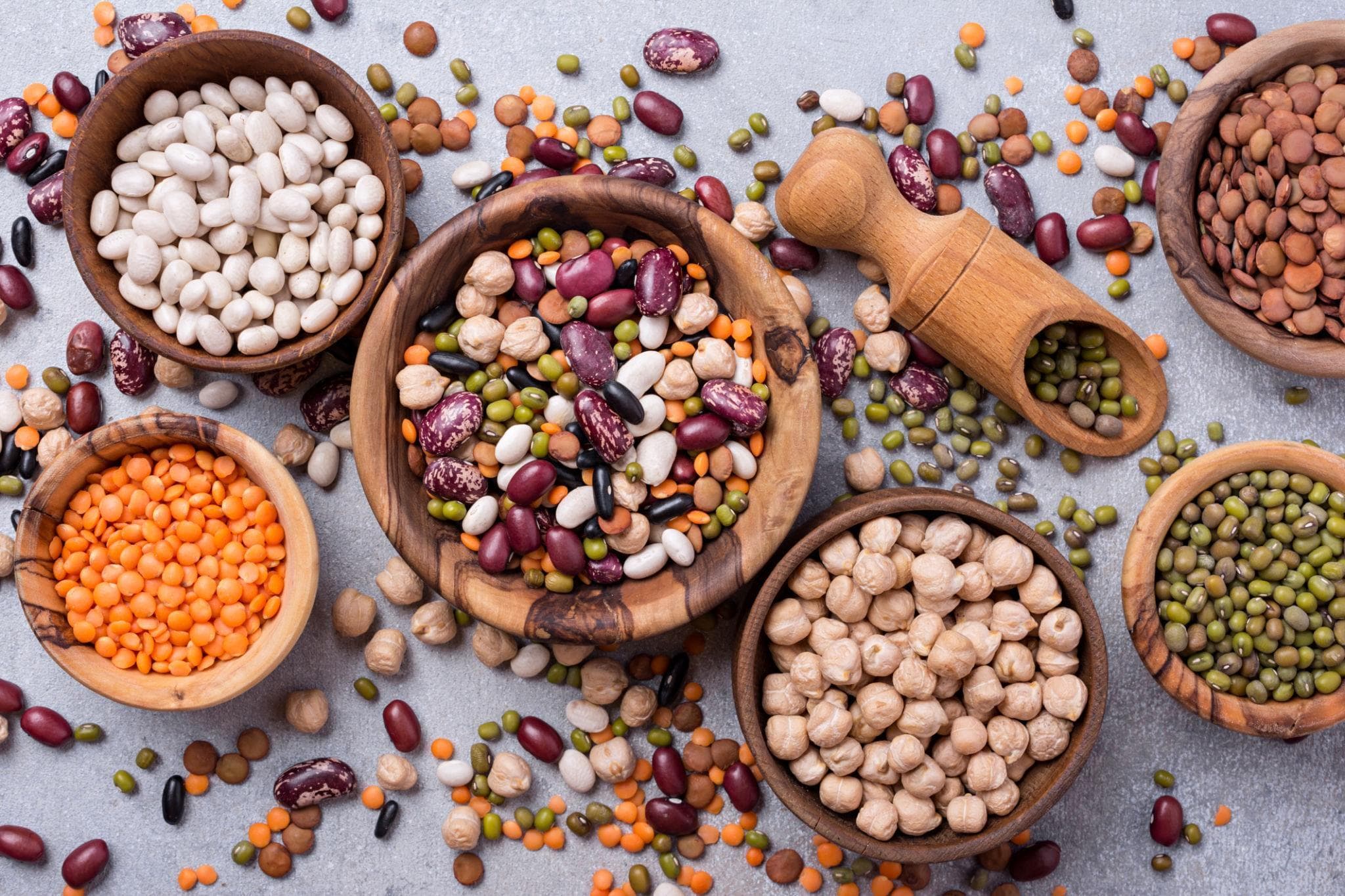
Lentils and beans are nutritional powerhouses packed with plant-based protein, complex carbohydrates, essential minerals, and exceptionally high levels of dietary fiber. Incorporating them into your daily diet supports digestive health, helps stabilize blood sugar levels, and promotes heart health.
This educational guide does not promote any single brand, nor does it endorse any company's products as the best. Consult a doctor or clinical dietitian before making major changes to your diet, especially if you manage a chronic medical condition.
Quick Information
| Information | Details |
| Primary Category | Legumes, pulses, and beans (e.g., lentils, chickpeas, kidney beans, black beans) |
| Main Nutritional Benefits | High soluble and insoluble fiber, plant protein, iron, folate, and potassium |
| General Fiber Content | Typically ranges from 7 to 15 grams of fiber per cooked cup |
| Primary Uses | Supporting digestive regularity, managing cholesterol, and stabilizing blood sugar |
| Key Precaution | Introduce fiber gradually and maintain adequate water intake to prevent bloating or gas |
| Home Limitation | Dietary adjustments alone do not replace medical management for chronic gastrointestinal or metabolic disorders |
High-Fiber Options: Choosing the Right Legumes
Different types of lentils and beans offer varying textures and fiber profiles. Choosing the right variety depends on your culinary preference and digestive tolerance:
Lentils (Dal): Red, yellow, brown, and green lentils cook relatively quickly. Brown and green lentils hold their shape well and provide an excellent fiber boost (roughly 15 grams per cooked cup). Split red and yellow lentils are easier to digest for some individuals with sensitive stomachs.
Chickpeas (Garbanzo Beans): Rich in both soluble fiber and protein, offering about 12 grams of fiber per cooked cup. Excellent for salads, soups, or homemade hummus.
Kidney Beans and Black Beans: Dense in fiber (around 13 to 15 grams per cooked cup) and antioxidants. They require thorough soaking and boiling to ensure safe digestion.
Green Peas and Edamame: Technically legumes, these offer a fresher, lighter source of fiber and plant protein that is often very well tolerated.
Selection and Preparation for Better Digestion
Proper preparation significantly impacts how your body processes legumes, reducing anti-nutrients and minimizing gas or bloating:
Soaking: Dried beans and whole lentils benefit greatly from being soaked in water for 6 to 12 hours before cooking. Discard the soaking water and rinse them thoroughly before boiling.
Thorough Cooking: Ensure beans and lentils are cooked completely until soft. Undercooked legumes contain complex sugars that are difficult to break down, leading to uncomfortable gas and cramping.
Sprouting: Sprouting legumes can further break down complex starches and make the nutrients easier to absorb, though it requires proper hygienic handling.
Appropriate Portion Sizes and Gradual Increase
Jumping straight from a low-fiber diet to a high-legume diet can overwhelm your digestive system.
Start Small: Begin with a small portion (such as one-third to half a cup of cooked lentils or beans a few times a week) and gradually increase your intake over several weeks.
Hydration is Essential: Fiber absorbs water as it moves through your digestive tract. Drink plenty of water throughout the day when increasing your fiber intake to prevent constipation or blockages.
Balanced Plate: Combine legumes with easily digestible grains and healthy fats rather than consuming them in excessive, isolated quantities in a single sitting.
Precautions and When to Exercise Caution
While fiber is beneficial for most people, certain health conditions require careful dietary management:
Irritable Bowel Syndrome (IBS) or Digestive Disorders: Legumes contain fermentable oligosaccharides (FODMAPs), which can trigger bloating, gas, or abdominal pain in sensitive individuals. Canned beans (rinsed well) or well-cooked split lentils are sometimes tolerated better than whole beans, but guidance from a dietitian is advised.
Kidney Disease: Individuals with advanced kidney disease may need to restrict their intake of potassium and phosphorus found in certain legumes. Always follow your nephrologist's or dietitian's individualized meal plan.
Gout: Some legumes contain moderate purines; while plant-based purines are generally considered less risky than meat-based purines for gout, consult your physician if you experience flare-ups.
Frequently Asked Questions
Are canned beans as nutritious as dried beans? Yes, canned beans are a convenient, nutritious option. However, they can be high in sodium, so look for "no added salt" varieties or rinse canned beans thoroughly under running water before use.
Why do beans cause gas, and how can I reduce it? Beans contain complex sugars called alpha-galactosalis that humans lack the enzymes to fully digest, leaving gut bacteria to ferment them. Soaking dried beans, discarding the water, cooking them thoroughly, and introducing them gradually can significantly reduce this effect.
Can I get all my daily fiber just from lentils and beans? While legumes are exceptionally high in fiber, a healthy diet benefits from a diverse range of fiber sources, including whole grains, vegetables, fruits, seeds, and nuts.
Is it safe to eat raw or sprouted beans straight away? No. Most dried beans must be soaked and boiled thoroughly to destroy natural toxins and lectins. specific sprouts grown under strict hygienic conditions should be consumed raw, and caution is advised.
References
U.S. Department of Agriculture (USDA): Nutrient data for mature seeds, lentils, and common beans.
Academy of Nutrition and Dietetics: Guidance on dietary fiber, digestive health, and incorporating plant-based proteins.
Mayo Clinic: Healthy lifestyle nutrition guidelines on high-fiber foods and gradual dietary changes.
Important Medical Disclaimer
This content is for educational purposes and does not substitute for professional medical advice from a qualified doctor or clinical dietitian. Always consult your healthcare provider before making significant changes to your diet or nutrition plan.