Is It Safe to Combine NyQuil and Benadryl for Cold Relief?
Short answer Usually, do not combine NyQuil and Benadryl unless a doctor or pharmacist has checked the exact products and told you to do so . Many NyQuil…
By Dr. Amina Rahman, PharmD7 min read
Reviewed by Medical Review Team ·
Short answer
Usually, do not combine NyQuil and Benadryl unless a doctor or pharmacist has checked the exact products and told you to do so. Many NyQuil products contain doxylamine, a sedating antihistamine; Benadryl commonly contains diphenhydramine, another sedating antihistamine. Taking both can increase sleepiness, confusion, blurred vision, dry mouth, constipation, and difficulty passing urine. The ingredients in NyQuil products vary, so check the active-ingredient panel rather than relying on the brand name. In Pakistan, ask a pharmacist to review the packages if the labels are unfamiliar or unclear.
Why the combination can be risky
Doxylamine and diphenhydramine both block histamine and can cause drowsiness. Using two medicines with this effect may make side effects stronger or less predictable. You may feel unusually sleepy, dizzy, unsteady, or confused, and your ability to drive, work safely, or care for someone may be affected. In some people—particularly older adults and young children—antihistamine side effects can be more serious.
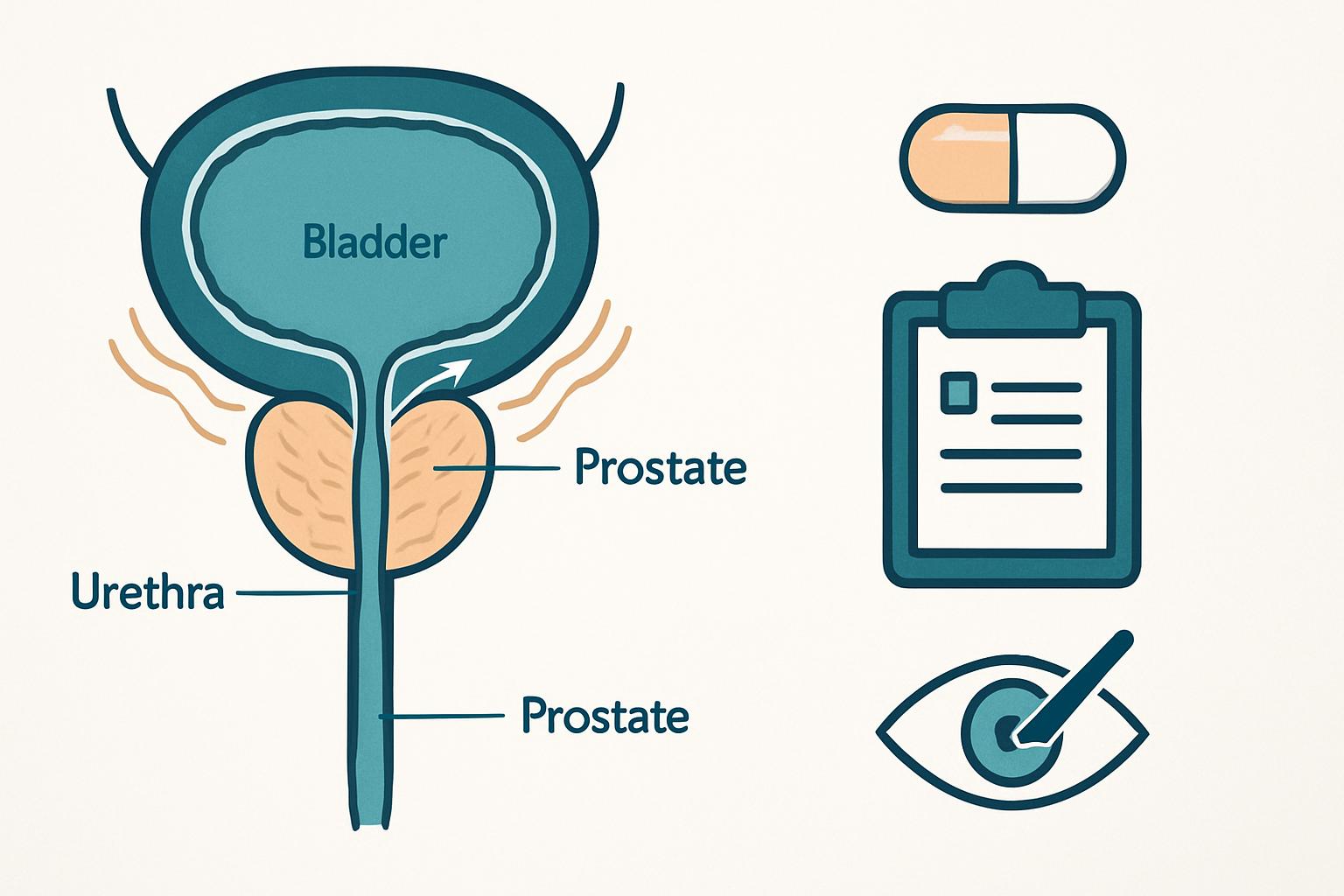
These medicines can also cause anticholinergic effects: dry mouth, blurred vision, constipation, and difficulty urinating. Risk may be higher if you have glaucoma, an enlarged prostate or urinary problems, or certain chronic illnesses. Do not assume that taking product at bedtime makes the combination safe. Sedation can continue into the next day, and the timing and duration depend on the product and person.
There is another important risk: NyQuil is a range of products, not fixed formula. Some versions contain acetaminophen (also called paracetamol), a cough suppressant such as dextromethorphan, and an antihistamine; ingredients differ by product and country. Taking another cold, pain, fever, allergy, or sleep medicine at the same time may duplicate or more ingredients. Too much paracetamol can seriously injure the liver, even before a person feels very ill. Check every active ingredient, not just the product name. [ADD SOURCE]
Check the label before taking anything
Use the active-ingredient list and warnings on the package. If the label is in a language you do not understand, is damaged, or does not clearly identify the ingredients, do not combine the products; show both packages to a pharmacist or doctor. A pharmacist can also help compare locally sold products, since brand names and formulas may differ in Pakistan.
Look for these ingredients and effects:
- Doxylamine or diphenhydramine: both are sedating antihistamines. Avoid adding to the other unless a clinician specifically advises it.
- Acetaminophen/paracetamol: check whether other medicines you use also contain it. Do not take multiple products containing paracetamol without professional guidance, and follow the product label.
- Dextromethorphan: may be present in some cough-and-cold products. Ask a pharmacist before using it with prescription medicines, especially medicines for depression or other medicines that affect the nervous system.
- Alcohol or other sedatives: alcohol, sleeping tablets, opioid pain medicines, and some anxiety medicines can add to drowsiness and impaired coordination.
Make a list of everything taken in the past day, including prescription medicines, herbal products, and medicines from more than pharmacy. Tell the pharmacist the exact product names, ingredients if available, amounts taken, and times taken. Do not guess or take an extra dose because you are unsure whether the first worked.
Safer ways to manage cold symptoms
For an ordinary cold, choose treatment for the symptom that is bothering you rather than taking several combination products at once. If you need medicine, prefer a single-ingredient option when the label is clear and it is suitable for you. A pharmacist can help select an option based on your age, health conditions, other medicines, and symptoms. If you cannot confirm what a product contains, skip it until you can ask.
For a blocked or runny nose, fluids, rest, and saline nasal drops or spray may help. For a sore throat or cough, warm drinks or simple throat-soothing measures may be useful; honey should not be given to a child under 12 months. Follow the age instructions on any product. Do not give adult cold medicines to children, and do not combine medicines for a child without advice from a doctor or pharmacist. Children may be more vulnerable to dosing errors and harmful effects from sedating antihistamines.
Avoid using a medicine just to make yourself sleep. If cough, congestion, pain, or fever is severe, keeps returning, or is not improving, seek advice rather than adding more products. Antibiotics do not treat common viral colds; a clinician can assess whether another cause or treatment needs consideration.
When to avoid self-treatment and get advice
Ask a doctor or pharmacist before taking a sedating antihistamine if you are pregnant or breastfeeding, are an older adult, have glaucoma, urinary retention or prostate problems, significant liver disease, breathing problems, or a history of a serious reaction to these medicines. Also check first if you take regular prescription medicines or have a chronic condition. This list is not complete; your own product label may include additional warnings.
Arrange medical advice if symptoms are worsening, last longer than expected, or include a persistent or high fever, severe ear or sinus pain, dehydration, or a cough that is not settling. Seek urgent care for difficulty breathing, chest pain, blue or grey lips, severe confusion, fainting, a seizure, or inability to wake normally. These symptoms should not be managed by adding another over-the-counter medicine.
If you already took both
Do not take any more of either product or another medicine containing a sedating antihistamine until you have spoken with a pharmacist, doctor, or poison-information service. Keep the packages with you and note the amount and time taken. Do not drive, cycle in traffic, operate machinery, drink alcohol, or take sleeping or anxiety medicines. If possible, have another adult stay nearby, especially if you feel drowsy or unsteady.
Get urgent medical help if the person is hard to wake, has slow or difficult breathing, collapses, has a seizure, becomes severely confused or agitated, or develops a very fast or irregular heartbeat. If more than the label amount may have been taken—or if the amount is unknown—contact a clinician or local poison-information service promptly, even if the person feels well. A paracetamol overdose can be dangerous before symptoms appear. Do not induce vomiting unless a medical professional instructs you to.
Frequently asked questions
Can I take Benadryl several hours after NyQuil?
Spacing the products apart does not automatically make them safe. The sedating effects may overlap, and NyQuil formulas differ. Check the active ingredients and ask a pharmacist or doctor about the exact products and timing before taking Benadryl.
Does every NyQuil product contain doxylamine?
No. Formulas can differ by product and market. Read the active-ingredient panel on your specific package. If you cannot identify the ingredients, do not combine it with Benadryl until a pharmacist checks it.
Can I take of them with alcohol?
Avoid alcohol with sedating antihistamines and cold medicines that cause drowsiness. Alcohol can worsen sleepiness and poor coordination. Also avoid driving or other tasks requiring alertness if a medicine makes you drowsy.
What if I want help sleeping while I have a cold?
Do not combine cold medicines to make yourself sleep. A pharmacist or doctor can help you choose a safer approach after checking your symptoms, health conditions, and medicines. Seek medical advice if symptoms are preventing sleep night after night or are getting worse.
Medical disclaimer
This article is for general education and does not replace advice from a qualified doctor or pharmacist. Product ingredients, warnings, and availability vary by country and formulation. Check the label on the exact package and seek personalized advice before combining medicines, particularly for children, pregnancy or breastfeeding, older adults, chronic conditions, or regular prescription medicine use. [ADD SOURCE]
Important Medical Disclaimer
This article is for general educational purposes and is not a substitute for advice from a qualified doctor or pharmacist. Always consult your doctor/pharmacist before using any medicine, changing a dose, or starting treatment.
Related reading
Explore these related guides for more practical medicine safety information.
- Nims Tablet Uses: Pain Relief, Dose and Liver Safety — Learn about ingredient checks, dosing, liver risks and safer pain relief.