Why a Strong Core Supports Better Movement, Posture and Physical Stability
Why a Strong Core Supports Better Movement, Posture and Physical Stability A strong core is about much more than having visible abdominal muscles. The core includes muscles around the abdomen, back, hips and pelvis that
By Maya Brooks, MPH5 min read
Why a Strong Core Supports Better Movement, Posture and Physical Stability
A strong core is about much more than having visible abdominal muscles. The core includes muscles around the abdomen, back, hips and pelvis that help stabilize the body while you bend, walk, lift, reach, turn and change position. When these muscles work together effectively, they can contribute to better movement control, posture and physical stability.
For men, maintaining core strength becomes particularly useful as part of a balanced approach to fitness and healthy aging. Everyday tasks such as getting out of a chair, carrying groceries, climbing stairs or lifting an object all require the trunk to control and transfer force between the upper and lower body. A well-trained core can help make these movements more coordinated and controlled.
How Core Strength Improves Everyday Mobility and Body Control
How Core Strength Improves Everyday Mobility and Body Control depends less on performing endless abdominal exercises and more on teaching the trunk to remain stable while the rest of the body moves.
For example, when you walk, the pelvis and trunk have to remain sufficiently controlled while the legs move independently. During a squat, the core helps maintain trunk position as the hips and knees bend. When you reach overhead or carry something in hand, the trunk must resist unwanted movement and maintain balance.
This is why core training can be considered functional rather than simply cosmetic. ACE notes that the muscles of the trunk and pelvis work with the hips and spine to create efficient movement patterns and maintain stability.
A useful core program should therefore include movements that challenge stability from different positions rather than focusing exclusively on crunches or sit-ups.
Benefits of Strong Abdominal Muscles for Balance and Functional Movement
The Benefits of Strong Abdominal Muscles for Balance and Functional Movement become clearer when abdominal strength is viewed as part of the body's wider stability system.
Your abdominal muscles help control the trunk, but they are not working alone. The back muscles, hips, glutes and other structures around the trunk also contribute to maintaining a stable base for movement.
Good core control may help with:
Maintaining a more stable trunk during walking and exercise
Controlling body position while bending, reaching and lifting
Coordinating movements between the upper and lower body
Supporting balance during movements performed on leg
Making everyday physical activities feel more controlled
Balance is particularly relevant when the base of support becomes smaller or when the body has to shift its weight. Exercise variations involving controlled single-leg positions can challenge both balance and trunk stability.
Why Posture Depends on More Than Sitting Straight
Posture is sometimes treated as simply “sitting upright,” but effective posture is really about how the body maintains alignment and control during movement.
The core helps stabilize the spine and pelvis while other joints move. This can make it easier to maintain a controlled position during activities rather than repeatedly compensating with other parts of the body.
That does not mean that a strong core automatically fixes poor posture. Posture is influenced by mobility, muscular endurance, daily habits, workstation setup and individual movement patterns. Core training is part of the picture rather than a complete solution.
Practical Core Exercises for Men
A simple routine can include exercises that emphasize control instead of speed. Examples include planks, bird dogs, glute bridges, controlled squats and exercises that require maintaining trunk stability while moving the arms or legs. ACE recommends progressing gradually from basic stabilization work toward more dynamic movements as control improves.
Quality matters more than simply accumulating repetitions. During a core exercise, focus on controlled breathing, steady movement and maintaining a comfortable spinal position. Stop an exercise if it produces significant pain rather than ordinary muscular effort.
Core training can also be combined with resistance and aerobic activity. Current CDC guidance recommends that adults include muscle-strengthening activity at least two days per week, alongside regular aerobic activity.
Core Strength and Men's Broader Physical Wellbeing
Core exercises are most useful when they are part of an active lifestyle rather than a standalone solution. Regular walking, cycling, resistance training and other forms of physical activity contribute to cardiovascular and muscular fitness. These habits may also be part of natural ways to support healthy blood circulation in men, particularly when the goal is to maintain an active and physically capable lifestyle.
A balanced routine also gives the body opportunities to develop strength, mobility and coordination together. Instead of concentrating on the abdominal area, men can benefit from training the legs, hips, back, chest and shoulders as well.
Building Better Movement Habit at a Time
Core strength develops progressively. Someone who has been inactive for a long period does not need an advanced workout to begin seeing value from basic stability exercises. Starting with manageable movements and gradually increasing the challenge can help build consistency and better movement control.
Daily habits matter as well. Avoiding long periods of uninterrupted sitting, taking regular walks, staying physically active and maintaining adequate recovery can complement a structured exercise routine. These are examples of natural wellness habits for lasting confidence, balance and vitality because they address physical capability as a whole rather than focusing on appearance alone.
The Bottom Line
A strong core provides a stable center from which the rest of the body can move. It contributes to trunk control, balance, coordination and efficient movement during both exercise and everyday activities.
For men, the practical goal should not be simply to develop harder abdominal muscles. The bigger objective is to build a body that can move with control, maintain stability and handle everyday physical demands. Consistent core training, combined with strength exercise, aerobic activity and sensible daily habits, can form a useful foundation for long-term physical function.
Important Medical Disclaimer
This article is for general educational purposes and is not a substitute for advice from a qualified doctor or pharmacist. Always consult your doctor/pharmacist before using any medicine, changing a dose, or starting treatment.
Related reading
If this article on Why a Strong Core Supports Better Movement, Posture and Physical Stability was helpful, explore these related guides for more practical information on similar topics.
- Know the causes of white hair and easy ways to prevent it naturally — Learn why hair turns white, which natural habits support healthy growth, and when early greying needs medical checks rather than another…
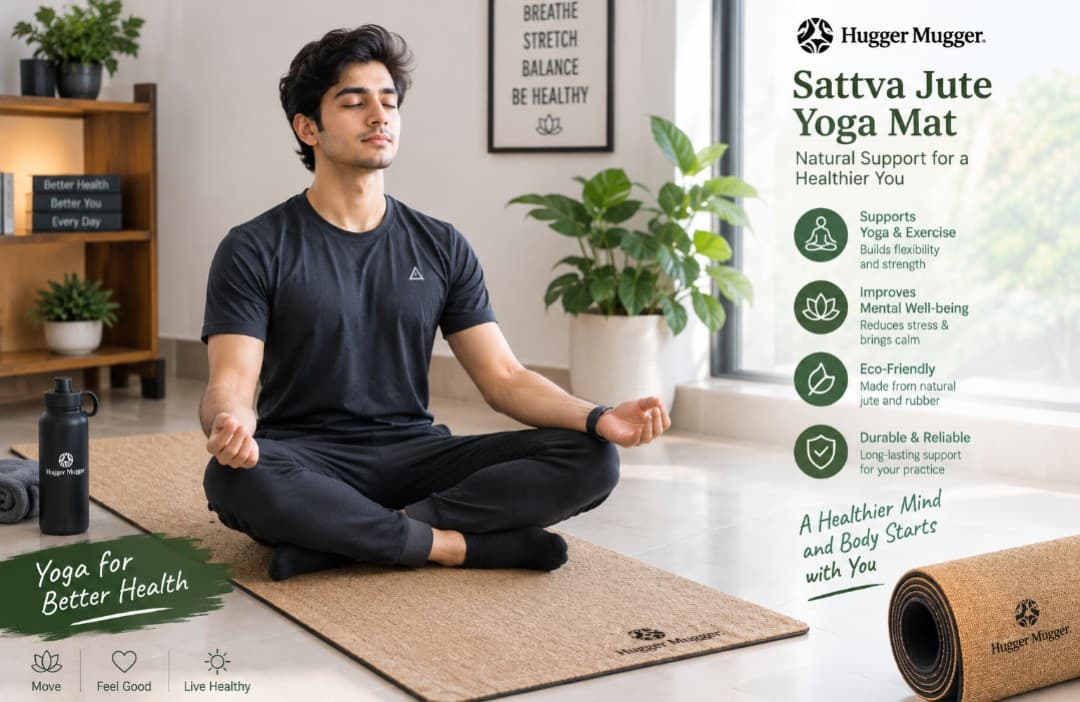
- Hugger Mugger Sattva Jute Yoga Mat: Grip and Safety — Considering a Hugger Mugger Sattva jute yoga mat? Check its materials, grip, cushioning and care needs, with practical safety advice for…
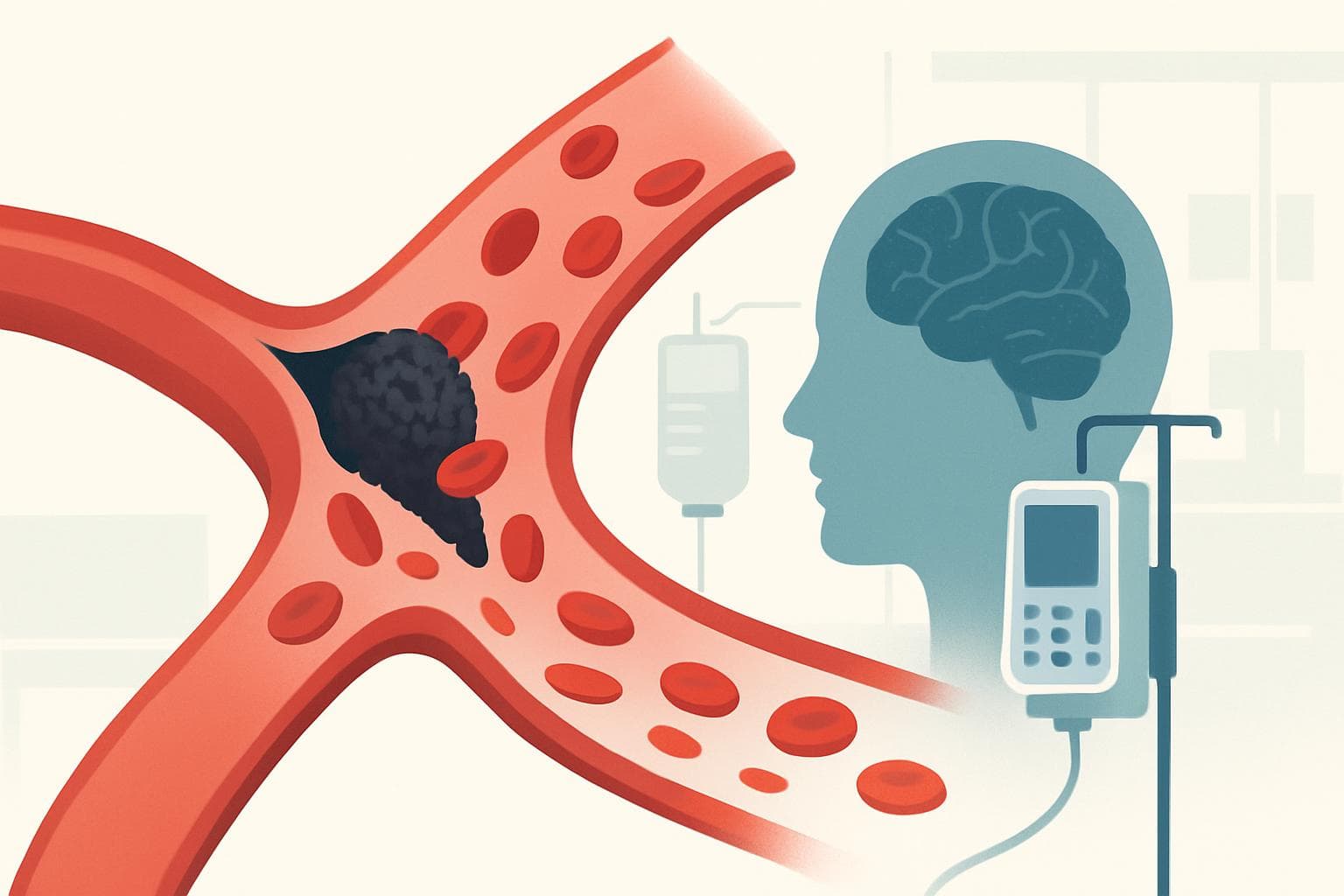
- What Is RTPA? Stroke Benefits, Risks and Pharm-D Notes — Learn how rtPA dissolves dangerous blood clots, when it can improve stroke recovery, and which bleeding risks and dosing distinctions cli…
- Early Pregnancy Symptoms: Timing, Tests and Red Flags — Learn when early pregnancy symptoms start, how to interpret urine tests, and which pain, bleeding or vomiting signs need urgent clinical…