What Does BV Discharge Look Like? Color, Texture, Smell & Signs
Quick answer What does BV discharge look like? Color, texture, smell & signs are common questions when vaginal discharge changes. Bacterial vaginosis…
By Dr. Amina Rahman, PharmD11 min read
Reviewed by Medical Review Team ·

Quick answer
What does BV discharge look like? Color, texture, smell & signs are common questions when vaginal discharge changes. Bacterial vaginosis (BV) often causes a thin, fairly even discharge that is white, off-white, or gray, with a noticeable fishy odor. The smell may be more apparent after sex or during menstruation. Some people have no symptoms, and discharge appearance alone cannot confirm BV: other infections and normal changes can look similar. A clinician can assess symptoms and, when appropriate, use an examination or laboratory testing to identify the cause and discuss care.
Definition and core concept
Bacterial vaginosis is a change in the balance of bacteria in the vagina. In a typical vaginal microbiome, protective Lactobacillus species are prominent. With BV, these bacteria are reduced and a varied group of anaerobic bacteria becomes more abundant. This shift can produce volatile amines that contribute to the characteristic odor and can raise vaginal pH.
BV is not simply an infection caused by newly acquired bacterium, and it is not classified as a conventional sexually transmitted infection (STI). It is associated with sexual activity and can occur alongside an STI, but it can also occur in people who have not had sex. A BV-like discharge therefore cannot establish how it began, whether a partner has an infection, or whether someone has an STI. Testing for other infections may be appropriate based on symptoms and exposure history.
What BV discharge can look and smell like
Commonly described features include:
- Color: white, gray, or off-white. Color can vary, and small amounts of blood around a period may change its appearance.
- Texture: thin, watery, or smooth, often spread relatively evenly rather than forming thick clumps.
- Amount: it may be more noticeable than a person’s usual discharge, but the amount varies. Some people notice little or no change.
- Smell: a fishy or amine-like odor is a classic clue. It may become stronger after sex or around menstruation, when changes in the vaginal environment can make odor more noticeable.
- Other sensations: many people have little itching, redness, or soreness. Some do report irritation or burning, so the absence or presence of these symptoms does not settle the diagnosis.
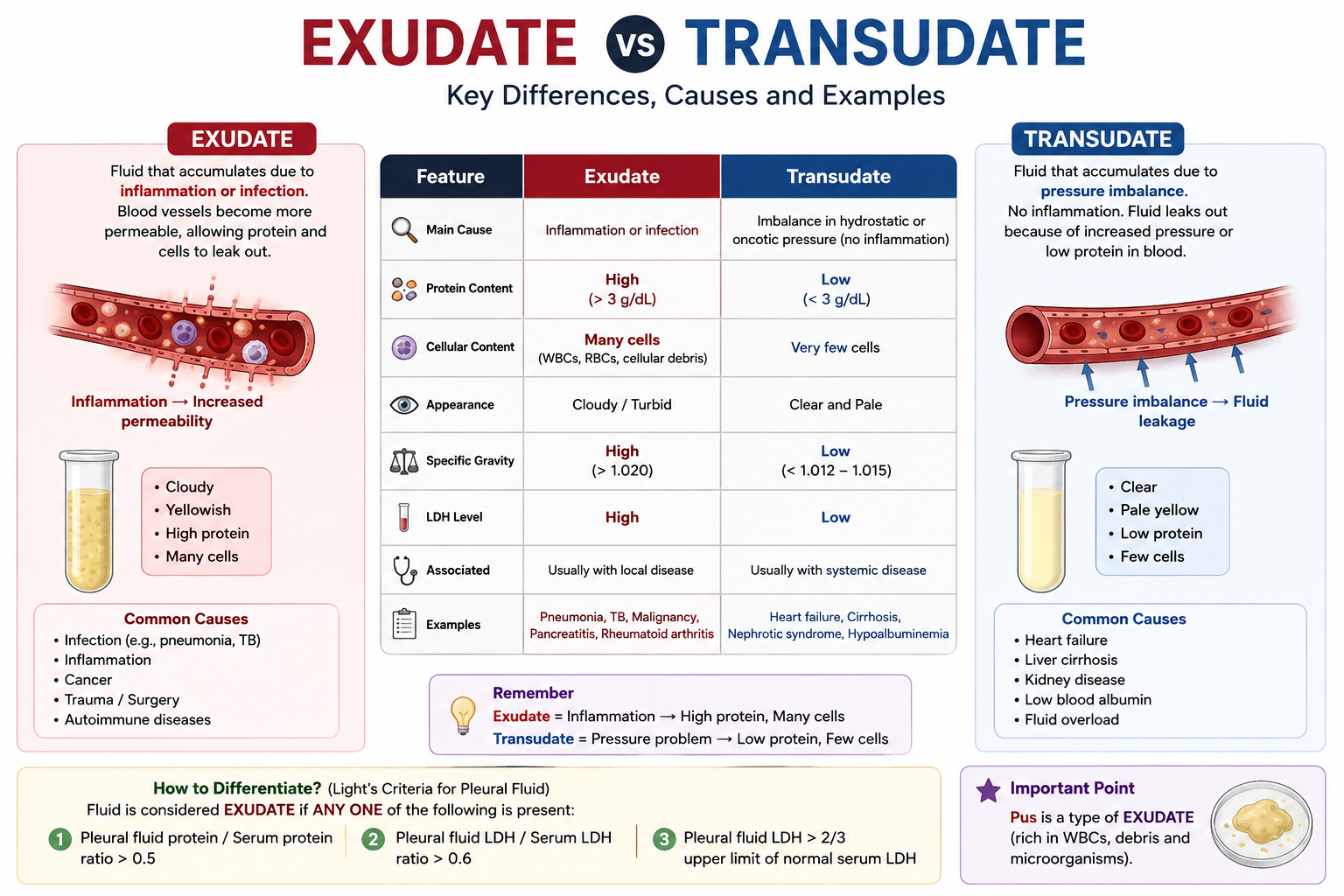
These are patterns, not a diagnostic checklist. Normal discharge changes over the menstrual cycle and can be clear or white, slippery or thicker, and different in amount. Semen, menstrual blood, sweat, and products used in or around the vagina can also affect odor or appearance. A sudden, persistent, or concerning change deserves attention rather than self-diagnosis by color or smell. Here, discharge means vaginal secretions; it is distinct from fluid collections classified as exudate and transudate.
Classification and related conditions
For study purposes, BV is best understood as a vaginal dysbiosis—an altered microbial community—rather than a classic single-organism vaginitis. Clinicians also distinguish symptomatic BV from BV found on testing without symptoms. Testing and treatment decisions depend on the clinical situation; a positive result does not mean every person needs the same approach.
Discharge can also occur with other conditions, and more than cause may be present. Useful comparisons include:
| Possible cause | Pattern that may be reported | Important limitation |
|---|---|---|
| BV | Thin, white-to-gray discharge and fishy odor; often little inflammation | Symptoms overlap with other causes; testing may be needed |
| Vulvovaginal candidiasis (yeast) | Itching, soreness, and sometimes thick, clumpy white discharge | Discharge is not always clumpy, and appearance alone is not enough |
| Trichomoniasis | Discharge may be yellow-green or frothy, with odor or irritation | Symptoms vary; it is an STI and requires appropriate testing and care |
| Cervicitis, including some STIs | Discharge may be mucopurulent; bleeding after sex or between periods can occur | Some people have few symptoms; testing depends on risk and clinical assessment |
| Physiologic discharge | Often clear or white, with changes across the cycle and no persistent strong odor | What is usual differs between people; a new change should be assessed in context |
This table is for orientation, not a way to identify a condition at home. In particular, yellow or green discharge, marked itching, pain, or bleeding should not automatically be attributed to BV.
Mechanism: why the odor and discharge change
In BV, reduced Lactobacillus dominance and greater abundance of anaerobic bacteria alter the vaginal environment. The increase in pH and production of amines help explain why a fishy odor may be present. When a sample is mixed with potassium hydroxide during an amine or “whiff” test, a fishy odor may be released. The finding is used as part of a clinical assessment, not as a home test.
The microbiome shift also helps explain why BV can recur after treatment. A person may improve and later experience symptoms again; recurrence is not proof of poor hygiene or infidelity. Douching and some intravaginal products can disrupt the vaginal environment and are not recommended as ways to remove odor. The exact causes of BV and recurrence are not fully captured by a single behavior or exposure.
Clinical assessment and diagnosis
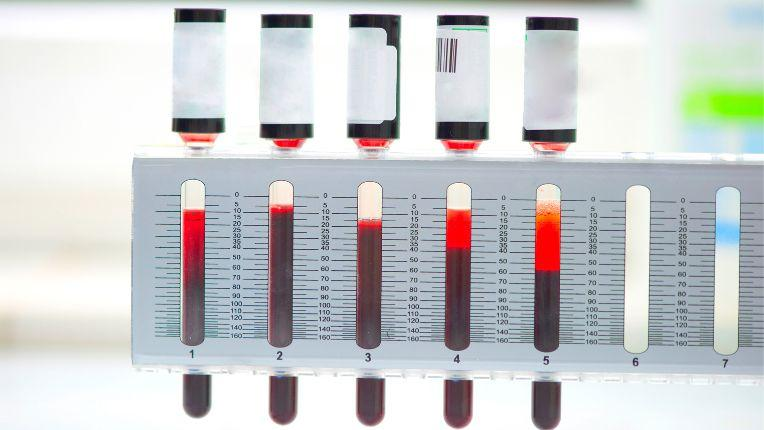
A clinician considers symptoms, examination findings, and test results rather than relying on discharge appearance alone. Depending on the setting and the person’s symptoms, assessment may include a vaginal pH measurement, microscopy, a clinical criteria set, or a molecular test. The choice of test and whether testing is appropriate depend on the clinical context. An erythrocyte sedimentation rate blood test is a nonspecific marker of inflammation and is not used to diagnose BV.
Two commonly taught approaches are:
- Amsel criteria: a clinical diagnosis is supported when at least three of four findings are present: thin homogeneous discharge, vaginal pH above 4.5, clue cells on microscopy, and a positive amine (“whiff”) test. The clinician interprets these findings together.
- Nugent scoring: a Gram-stained vaginal sample is scored according to bacterial morphotypes. It is a laboratory reference approach used to characterize the vaginal flora.
Molecular tests may detect patterns associated with BV, particularly in symptomatic patients, but a result must still be interpreted alongside symptoms and the test’s intended use. A clinician may also assess for yeast, trichomoniasis, or other STIs when the history or symptoms make those possibilities relevant. Avoid using leftover medication or an over-the-counter yeast treatment as a substitute for evaluation when the cause is uncertain.
Clinical significance and when to seek care
BV can cause bothersome odor or discharge, and some cases have no noticeable symptoms. BV is associated with increased risk of acquiring certain STIs and with some adverse reproductive or pregnancy outcomes. These associations do not predict an individual outcome, and they do not mean BV is an STI. A clinician can explain how symptoms, pregnancy, test results, and personal circumstances affect the need for evaluation and care.
Arrange clinical assessment for a new or persistent change in discharge, a strong odor, symptoms that return after prior care, or concern about STI exposure. Seek prompt professional advice if you are pregnant and have unusual discharge or odor. Get urgent care for fever, significant lower abdominal or pelvic pain, faintness, severe illness, or heavy bleeding—especially when these occur with discharge. These features are not typical signs to manage by guessing that BV is the cause.
For sexual health concerns, testing can be useful even if a partner has no symptoms. A clinician can advise which tests are appropriate and discuss partner-related questions. Recommendations about partner evaluation or treatment can depend on the infection being considered and current guidance; do not assume that a BV diagnosis proves a partner has an STI.
Management and counseling points
When symptomatic BV is diagnosed, clinicians may recommend an appropriate antimicrobial regimen. Commonly used medicine classes include nitroimidazoles, such as metronidazole, and lincosamides, such as clindamycin. The choice, route, formulation, and duration depend on the clinical situation and current local guidance; this overview is not an individual treatment plan. Oral and vaginal products are not automatically interchangeable, and formulations or salts should not be assumed equivalent. Check the exact medicine name, strength, route, and instructions on the prescription label, and ask a pharmacist or prescriber if any part is unclear.
Do not use leftover antibiotics, share prescription medicines, or take a medicine intended for a different vaginal condition. Antifungal medicines treat yeast infections, not BV; using when the cause is uncertain may delay the right assessment. Do not stop or alter a prescribed medicine without discussing it with the prescriber. If symptoms persist or return, contact a clinician rather than repeatedly self-treating, because the original diagnosis may need review or another cause may be present.
Avoid douching and intravaginal deodorants or cleansing products intended to mask odor. These can irritate tissue or disrupt the vaginal environment and do not establish or treat the cause. Gentle external washing is different from washing inside the vagina. This education does not replace a clinical evaluation, especially during pregnancy or when pain, fever, bleeding, or possible STI exposure is involved.
Pharm-D exam points
- Core definition: BV is a polymicrobial vaginal dysbiosis associated with reduced Lactobacillus dominance and increased anaerobic bacteria.
- Classic symptom pattern: thin, homogeneous white-to-gray discharge with fishy odor; inflammation may be absent or mild.
- Mechanism link: amine production and elevated pH help explain odor and the positive whiff test.
- Amsel: remember the four findings—discharge, pH above 4.5, clue cells, and positive whiff test—and that three of four support the clinical diagnosis.
- Nugent: Gram-stain scoring of bacterial morphotypes; it is not the same as simply identifying pathogen.
- Differential: prominent pruritus or vulvar inflammation may point away from classic BV, but symptoms overlap. Consider candidiasis, trichomoniasis, cervicitis, and physiologic discharge as appropriate.
- Counseling: BV is not classified as a conventional STI, but STI assessment may still be indicated. Avoid stigma and do not infer a partner’s behavior from a diagnosis.
- Medication safety: distinguish drug, formulation, route, and instructions. Do not substitute an antifungal for an antibacterial treatment or treat a symptom without an adequate assessment.
- Follow-up: recurrence is possible; persistent or returning symptoms warrant reassessment rather than repeated self-treatment.
Common confusions
Does gray discharge prove BV? No. Gray or white discharge can fit the pattern, but color is not specific and can be affected by other factors. Diagnosis relies on clinical context and, when indicated, testing.
Does a fishy smell always mean BV? No. BV is possible explanation, but odor can have other causes. Persistent or new odor, especially with pain, irritation, bleeding, or STI concern, merits clinical advice.
Is BV the same as a yeast infection? No. They involve different patterns and require different approaches. Itching and thick discharge are often associated with yeast, while thin discharge and fishy odor are classic BV clues, but neither pattern confirms a diagnosis.
Does BV mean someone has an STI or has poor hygiene? No. BV is a change in the vaginal microbiome, not proof of an STI, infidelity, or poor hygiene. Douching is not a solution and may make disruption worse.
Can someone have BV without discharge or odor? Yes. Some people have no noticeable symptoms. Whether to test or treat depends on the circumstances and should be discussed with a clinician.
FAQ
Can BV discharge be clear?
Discharge color varies, and not everyone has the classic gray-white appearance. Clear discharge can also be normal, particularly when it changes with the menstrual cycle. A persistent new odor or change from usual is more useful to discuss with a clinician than color alone.
Is BV discharge usually thick or clumpy?
The classic description is thin and relatively even, rather than thick and clumpy. However, texture is not definitive. Clumpy discharge with itching may suggest another cause, such as yeast, so assessment is preferable to guessing.
Why can the smell seem stronger after sex?
Semen and other changes in vaginal conditions can make an amine-like odor more noticeable. This does not by itself prove an STI or identify the cause. If odor is persistent or accompanied by other symptoms, seek clinical advice.
Should an over-the-counter yeast medicine be used for suspected BV?
No medicine should be chosen solely from appearance or odor. Antifungal products are intended for yeast, not BV, and an incorrect self-treatment can delay appropriate care. Ask a clinician or pharmacist when the cause is unclear, symptoms are new or recurrent, or warning signs are present.
Medical disclaimer
This article is general health education for patients, caregivers, and Pharm-D learners. It cannot diagnose BV or another cause of discharge, and it does not replace advice from a qualified healthcare professional. Symptoms, test interpretation, and treatment choices vary by person and setting. Seek professional care for persistent or concerning symptoms, possible STI exposure, pregnancy-related concerns, or warning signs such as fever, pelvic pain, faintness, severe illness, or heavy bleeding.
Related reading
Explore these related topics for additional health information.
- Metabolic Encephalopathy: Signs, Causes and Recovery — Understand warning signs, causes, treatment, and recovery, with practical medicine-safety advice.
Important Medical Disclaimer
This article is for general educational purposes and is not a substitute for advice from a qualified doctor or pharmacist. Always consult your doctor/pharmacist before using any medicine, changing a dose, or starting treatment.