Theory and Applications of Atomic Absorption Spectroscopy (AAS)
Theory and Applications of Atomic Absorption Spectroscopy (AAS) Every time a lab checks whether a multivitamin actually has as much iron or zinc as the label claims, or tests drinking water for lead, there's a decent
By Dr. Khalid Mehmood, MD8 min read
Reviewed by Medical Review Team ·
Theory and Applications of Atomic Absorption Spectroscopy (AAS)
Every time a lab checks whether a multivitamin actually has as much iron or zinc as the label claims, or tests drinking water for lead, there's a decent chance Atomic Absorption Spectroscopy is doing the work behind the scenes. It's been around for decades, it's not the flashiest technique out there, but it's still one of the most reliable ways to figure out exactly how much of a specific metal is sitting inside a sample.
The Basic Idea
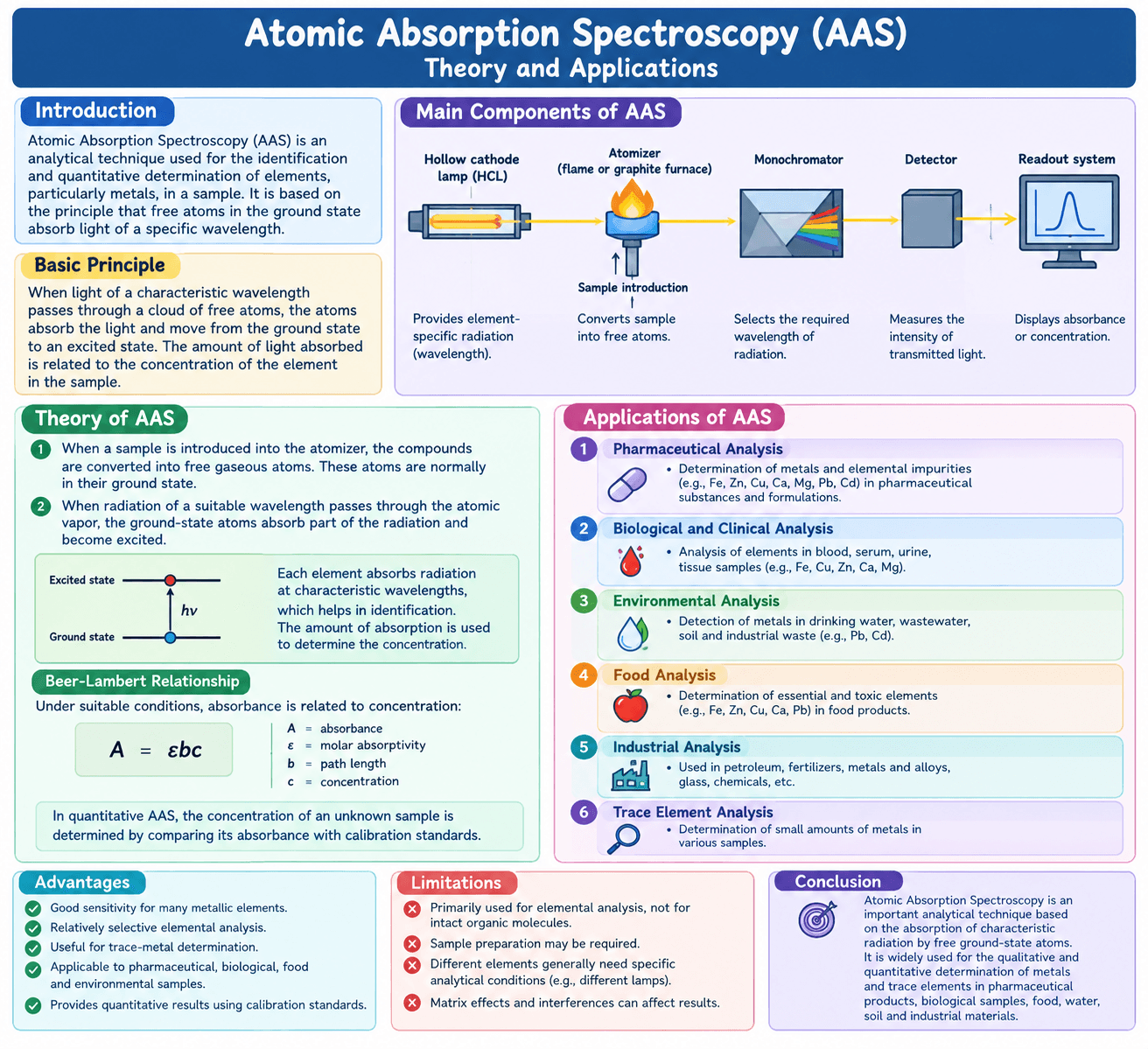
Here's the theory in plain terms. When you introduce a sample into an atomizer — think of it as the heated part of the instrument — the compounds in that sample break apart into free, individual atoms floating around as a gas. Normally these atoms are just sitting there quietly, in what's called their ground state, which basically just means their resting, lowest-energy form.
Now, if you shine light of the right wavelength through this cloud of atoms, something interesting happens. The atoms absorb some of that light and jump up to a higher energy level, becoming what's called excited:
Ground-state atom + light energy → Excited atom
The part that makes this technique so useful is that every element absorbs light at its own particular wavelength, almost like a signature. So if you know which wavelength got absorbed, you know which element you're looking at. And how much of that light got absorbed tells you how much of the element is actually there.
Where the Beer-Lambert Law Comes In
If you had to sum up the whole principle in one sentence, it would be this — more atoms present, more light gets absorbed, higher the absorbance reading. This isn't just a vague trend either; it follows an actual mathematical relationship known as the Beer-Lambert Law:
A = ε × b × c
A is the absorbance value your instrument spits out, ε is the molar absorptivity (a constant tied to the specific element), b is the path length the light travels through, and c is the concentration you're trying to find.
In real lab work, nobody's calculating an unknown sample's concentration purely from theory. Instead, you run a set of known standards, plot their absorbance values, and then see where your unknown sample lands on that curve. That comparison is really what gives you your answer.
What's Actually Inside an AAS Machine
An AAS instrument isn't overly complicated once you break it into its parts.
There's the hollow cathode lamp, which is the light source. What's neat about it is that it's literally made using the same element you're testing for, so it naturally puts out light at exactly that element's characteristic wavelength. You can't swap this out casually — testing for a different metal means swapping the lamp too.
Then there's the atomizer, the part responsible for turning your liquid sample into that cloud of free atoms. Most routine testing uses a flame for this. But if you need to detect something present in really tiny amounts, a graphite furnace is used instead since it offers better sensitivity.
After the light passes through the atom cloud, it hits the monochromator, whose whole job is to isolate the one wavelength that actually matters and block out everything else.
From there, the detector measures how much of that light made it through — meaning, how much wasn't absorbed. And finally, the readout system takes that signal and converts it into a number you can actually read, either as absorbance or as a calculated concentration.
Putting the Whole Process Together
If you walk through the entire sequence from start to finish, it looks like this: the sample goes into the atomizer and turns into free atoms. Light from the element-specific lamp shines through this cloud, and part of it gets absorbed. The detector notices the drop in light intensity, and the instrument uses that drop to work out how much of the element is present.
Sample introduction → atomization → absorption of characteristic light → detection → concentration result. That's the whole story.
What This Technique Is Actually Used For
The applications of AAS span a surprisingly wide range of fields, honestly more than most people expect for something this old.
In pharmaceutical testing, AAS gets used constantly to check for metallic elements and impurities in drug substances and finished formulations — things like iron, zinc, copper, calcium, magnesium, and unfortunately less desirable ones like lead and cadmium, which regulators keep a close eye on.
In clinical and biological work, it's used to measure elements like iron, copper, zinc, calcium, and magnesium in blood, serum, urine, or tissue samples — which matters a lot when diagnosing something like anemia or metal poisoning.
Environmental testing relies on it heavily too. Drinking water, wastewater, soil, and industrial waste all get checked for metal contamination this way, especially for toxic metals like lead and cadmium that pose serious health risks even in small amounts.
Food testing uses AAS for both good reasons and bad ones — confirming that fortified foods actually contain the iron or calcium they claim, while also screening for harmful contamination from metals like lead.
Beyond that, it shows up across various industries too — petroleum, fertilizers, metal and alloy production, glass manufacturing, and general chemical processing — basically anywhere someone needs to know the exact elemental composition of a material.
And because AAS is sensitive enough to pick up very small quantities, it's a go-to method for trace-element analysis across pretty much all of these fields.
Why People Still Rely on This Technique
AAS has stuck around this long for a few good reasons. It's genuinely sensitive for a lot of metallic elements, it's fairly selective since each element has its own distinct absorption wavelength, and it works well for detecting trace amounts that other methods might struggle with. It also plays nicely across very different sample types — pharmaceutical, biological, environmental, food — and gives you clear, quantitative numbers once you've run your calibration standards.
Where It Falls Short
That said, it's not a perfect tool for everything. AAS is built for elemental analysis, so it's not going to help you identify a complete organic molecule — that's simply outside its job description. Sample preparation is often necessary before you can even run the test, which adds time and effort. Testing for different elements usually means adjusting your setup each time, since conditions aren't universal across the board. And if there's other stuff in your sample matrix that interferes with the reading, your results can end up skewed if you're not careful about accounting for it.
A Few Things Worth Remembering
Each element needs its own lamp, because each one absorbs a different wavelength — there's no shortcut around this. A flame atomizer works fine for routine, higher-concentration testing, but if you're chasing trace amounts, a graphite furnace does a better job. And absorbance always tracks concentration in a predictable, proportional way, which is really the entire quantitative backbone this whole technique is built on.
Common Questions
What's the core principle behind AAS? Free atoms in their ground state absorb light at a wavelength unique to their element, and how much light gets absorbed tells you how much of that element is present.
What law connects absorbance and concentration? The Beer-Lambert Law — A = ε × b × c — where absorbance rises in proportion to concentration.
Why can't you use one lamp for every element? Because each element absorbs light at its own specific wavelength, so the lamp has to match the element being tested, or the whole measurement falls apart.
When would someone use a graphite furnace instead of a flame? When they need to detect really small, trace-level concentrations that a standard flame setup might not pick up reliably.
Where does AAS show up most in pharmaceutical work? Mainly in checking for elemental impurities and confirming metal content in formulations — things like iron, zinc, calcium, and magnesium that either serve as active ingredients or need to stay under strict contamination limits.
Can this technique identify organic compounds? No — it's strictly for elemental, metal-based analysis, not for identifying whole organic molecules.
This content is meant for educational purposes to support study and revision. For official testing procedures and elemental impurity limits, refer to current ICH/USP guidelines and your institution's laboratory manual.
Related reading
If this article on Theory and Applications of Atomic Absorption Spectroscopy (AAS) was helpful, explore these related guides for more practical information on similar topics.
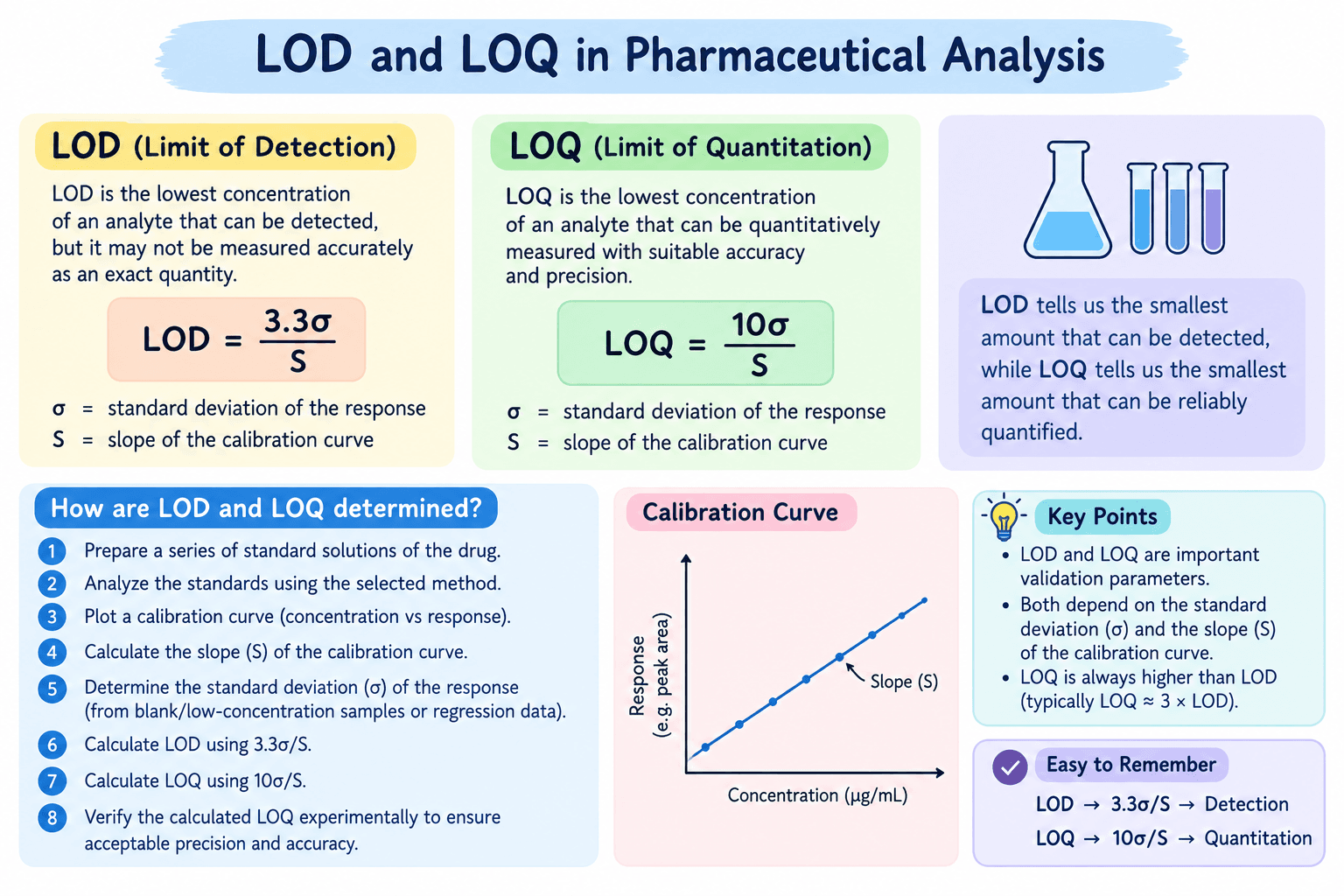
- How LOD and LOQ is determined & Describe sensitivity of a method ? — dits? See our FAQ or pricing.
- Define accuracy and precision also a note on types of accuracy and precision. — Accuracy Accuracy means how close a measured value is to the true (actual/real) value . In easy words: it tells you if your result is cor…
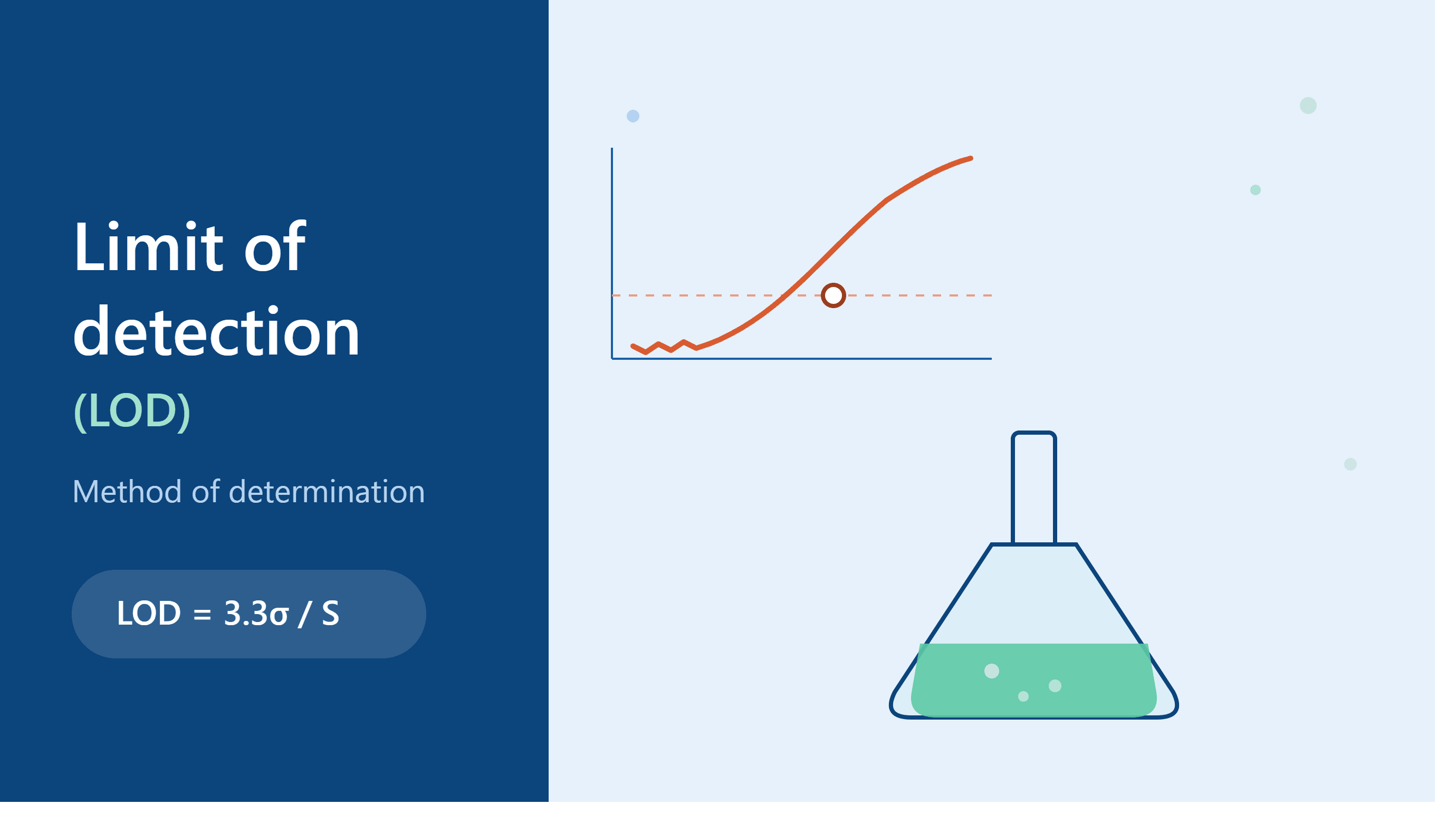
- Limit of Detection (LOD): Method of Determination Explained Simply — How Is the Limit of Detection (LOD) Actually Determined? When an analytical method is validated — an HPLC assay, a UV method, even a simp…
- i'm a skincare beginner. Are Nivea and Garnier Good Starting Brands? — Nivea focuses on hydration and skin barrier protection, while Garnier targets brightness and uneven skin tone. Here is how a beginner sho…
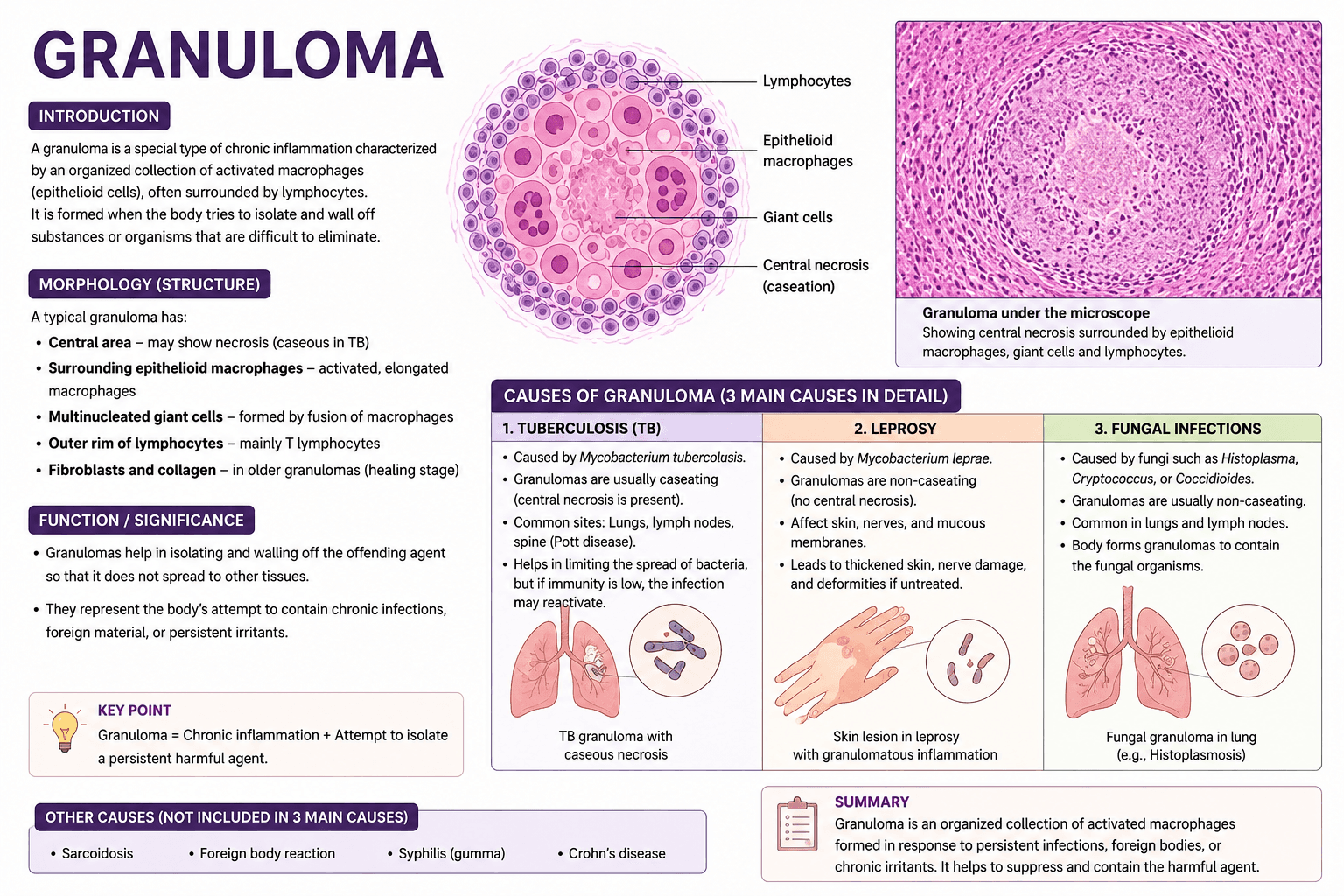
- write a note on granuloma and write down 3 causes of granuloma in details — How Patients Find the Right Doctor Online Today Finding the right doctor used to mean asking a neighbor, calling your insurance company,…
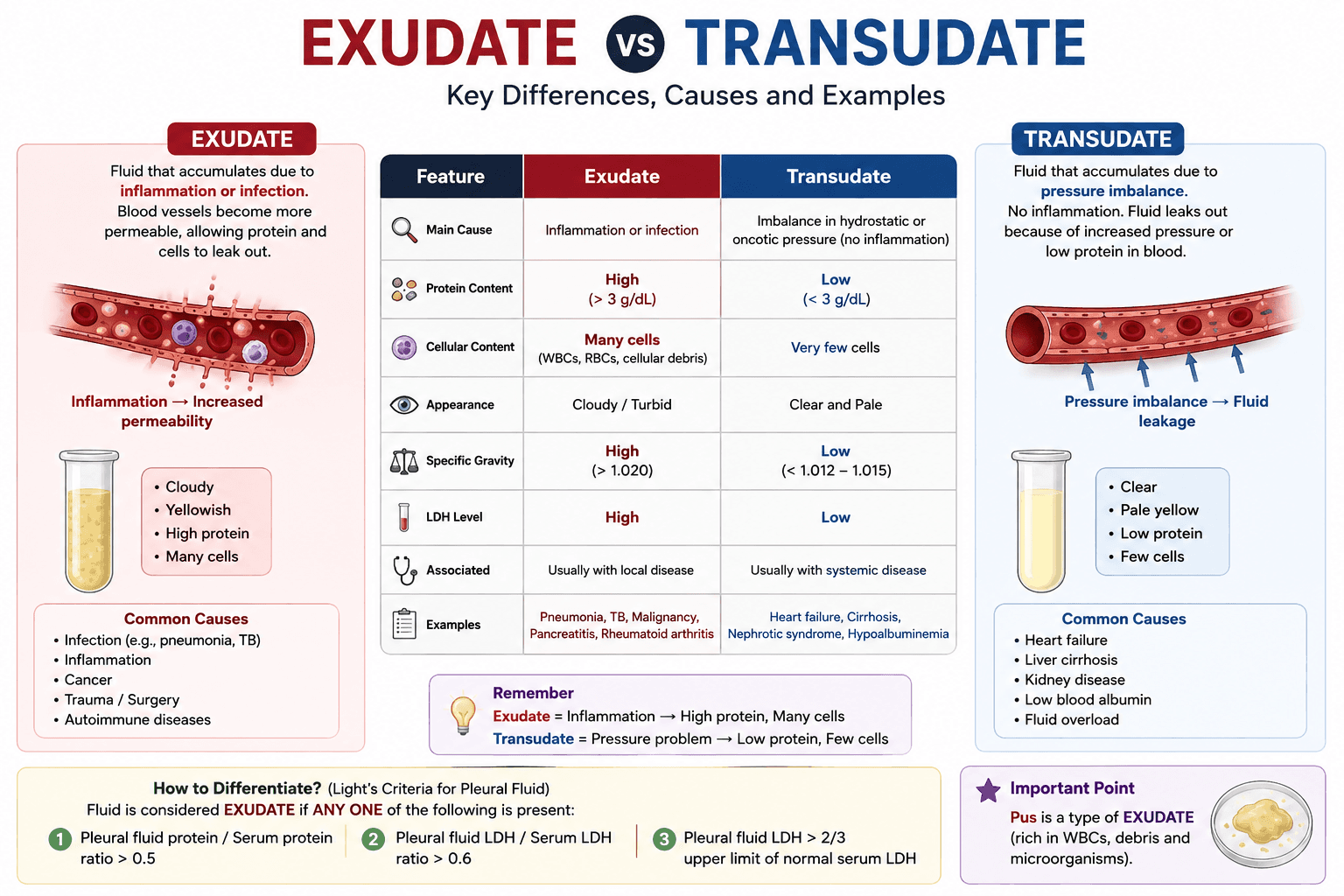
- What is difference between exudate and transudate fluid. — Exudate and Transudate Exudate and transudate are two types of fluid that can accumulate in body tissues or body cavities. They are diffe…