Miscarriage Golf Ball Sized Blood Clots During Period: What They May Mean
Seeing miscarriage golf ball sized blood clots during period bleeding can be frightening, especially if you are unsure whether you are having a period or…
By Dr. Amina Rahman, PharmD9 min read
Reviewed by Medical Review Team ·
Seeing miscarriage golf ball sized blood clots during period bleeding can be frightening, especially if you are unsure whether you are having a period or a miscarriage. A clot that large does not, by itself, confirm either one. Large clots can occur with heavy menstrual bleeding, while miscarriage bleeding may include clots or tissue; appearance alone cannot reliably tell the difference. If pregnancy is possible, take the bleeding seriously and contact a qualified health professional promptly. Seek emergency care for severe pain, fainting, very heavy bleeding, fever, or other warning signs described below.
What can a golf ball sized clot mean?
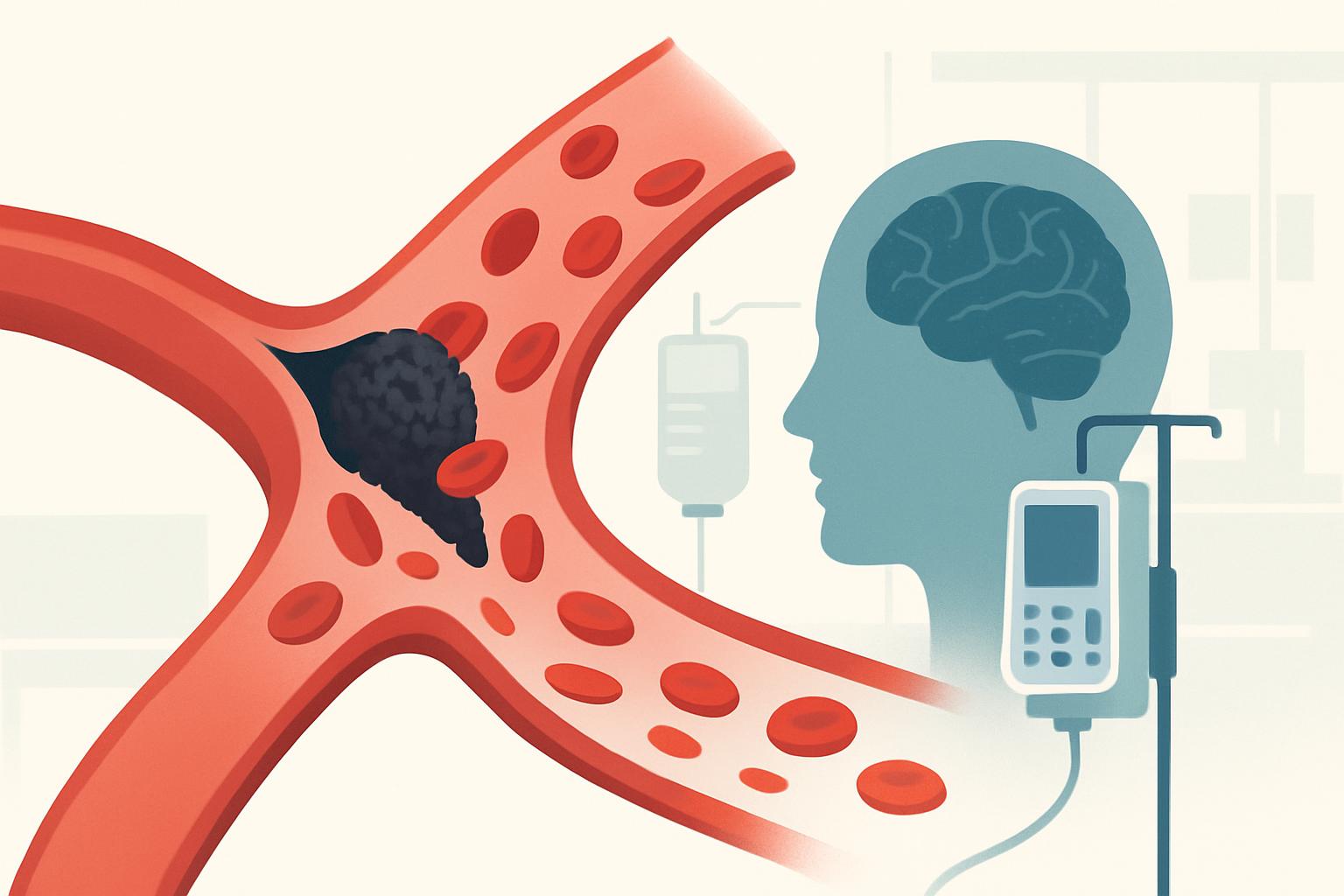
A menstrual clot forms when blood collects and thickens before leaving the uterus. Small clots can occur during a period, particularly on heavier-flow days. A clot about the size of a golf ball is relatively large, but its size alone does not identify the cause or show how much blood you have lost overall.
Possible explanations include a heavy period, pregnancy loss (miscarriage), or another cause of abnormal uterine bleeding. In some cases, a person may pass material that looks like a clot but contains tissue. It is often difficult to distinguish blood clot, uterine lining, and pregnancy tissue by sight. Do not rely on a photo, color, or clot size to decide whether a miscarriage has happened.
The key question is whether pregnancy is possible or has been confirmed. If you have had sex that could result in pregnancy, have a late or unusual period, or have a positive pregnancy test, bleeding with clots needs medical assessment. A clinician may need to use your history, examination, pregnancy testing, blood tests, or ultrasound to work out what is happening. No single symptom can confirm a miscarriage or rule out other serious causes.
Period bleeding, miscarriage bleeding, and uncertainty
A period and an early miscarriage can both involve cramps and bleeding. Miscarriage bleeding may be heavier than a usual period and can include clots or tissue, but experiences vary. Some pregnancy losses involve light bleeding; some heavy periods involve large clots. These patterns overlap, so comparing this episode with a past period is useful information but not a diagnosis.
A pregnancy test can help establish whether pregnancy may be involved, but it does not show where a pregnancy is located or whether it is developing normally. If you have a positive test and bleeding, contact a doctor, gynaecologist, or maternity service for advice, even if the bleeding has eased. If pregnancy is possible and you have severe or one-sided abdominal pain, dizziness, or fainting, seek urgent care. These symptoms can occur with an ectopic pregnancy, which requires prompt assessment.
If pregnancy is not possible, a large clot may still be a reason to seek care—especially if this is new for you, bleeding is unusually heavy, or it keeps happening. Other causes of heavy or irregular bleeding can include changes in ovulation or hormones, uterine fibroids or polyps, some bleeding disorders, and certain medicines. a health professional can assess which possibilities fit your situation.
When bleeding needs urgent medical care
Get emergency help now if you have any of the following:
- Bleeding that is very heavy, such as soaking through a pad soon after putting it on or repeatedly needing to change pads rapidly.
- Fainting, near-fainting, marked dizziness, confusion, unusual weakness, or difficulty staying upright.
- Severe or worsening abdominal or pelvic pain, particularly pain on side, or pain with shoulder-tip discomfort.
- A positive pregnancy test or possible pregnancy together with severe pain, faintness, or heavy bleeding.
- Fever, chills, or foul-smelling vaginal discharge along with bleeding or pain.
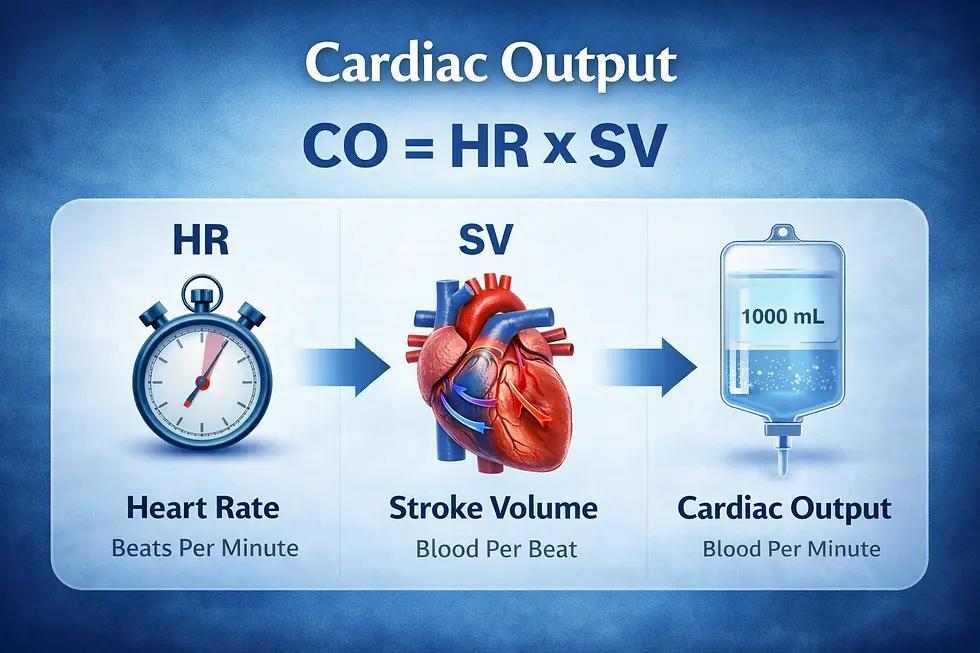
Do not wait for a particular clot size or number before getting help if you feel seriously unwell. Severe bleeding can affect circulation; cardiac output describes how much blood the heart pumps each minute, but it is not a way to assess blood loss or decide whether you need care. If you are in Pakistan, go to the nearest emergency department or maternity service. Call your local emergency service; Rescue 1122 operates in many areas, but availability can vary. If you feel faint, ask someone to accompany you rather than travelling alone. A caregiver can help explain when bleeding began, how quickly pads are being soaked, whether pregnancy is possible, and what other symptoms are present.
For bleeding that is not immediately severe but is unusually heavy, recurrent, or worrying, arrange prompt advice from a doctor or gynaecologist. If you might be pregnant, do not assume it is simply a period or wait for a routine appointment if symptoms are getting worse.
What to note while arranging care
These details can help a clinician assess the bleeding. You do not need to measure or save a clot, and collecting blood or tissue is not a substitute for care.
- When the bleeding started, whether it is getting heavier or lighter, and how it compares with your usual period.
- How often you are changing pads and whether blood is leaking through clothes or bedding. If you can, use a pad so the amount is easier to describe; do not delay urgent care to track it.
- Whether pregnancy is possible, the date of your last usual period, and any pregnancy-test result. Bring the result or a photo if convenient, but do not delay getting help.
- Pain location and severity, dizziness, fever, weakness, or other symptoms.
- Medicines you take, including prescribed medicines, blood thinners, hormonal contraception, and any recent changes. Bring the packaging or a list if available.
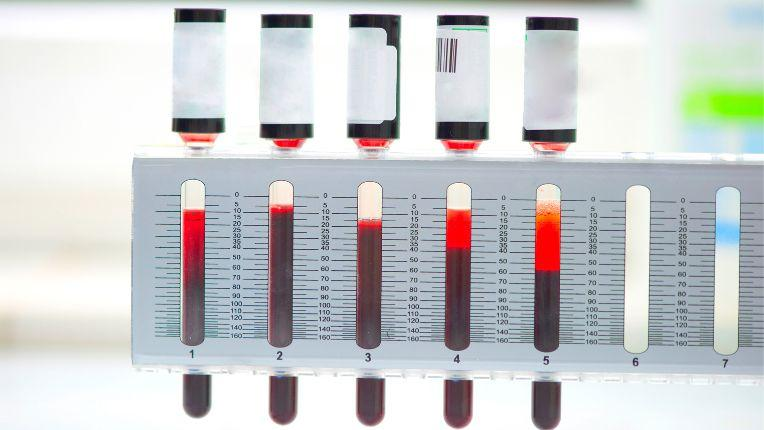
A clinician may ask about your periods, pregnancy history, contraception, medical conditions, and medicines. Depending on the situation, assessment may include a pregnancy test, blood tests, an examination, or imaging. Blood tests answer different questions; a sedimentation rate blood test can indicate inflammation, but it does not confirm a miscarriage. The tests needed vary; you can ask what each test is for and what the next steps will be.
Heavy periods and causes to discuss
Repeated large clots or periods that disrupt daily life deserve assessment, even when pregnancy is not involved. Heavy menstrual bleeding may be associated with needing to change menstrual protection very frequently, bleeding for longer than is usual for you, or symptoms of blood loss such as fatigue, breathlessness, or light-headedness. These signs do not establish a cause, but they are worth mentioning.
Possible causes include fibroids or polyps in the uterus, hormone-related changes, and problems with blood clotting. Some medicines can also affect bleeding. Do not stop a prescribed medicine on your own, even if you think it may be contributing. Tell the prescriber or pharmacist what is happening and ask for advice; if bleeding is severe, seek urgent care rather than waiting for a medication review.
A clinician can consider whether an underlying cause needs investigation and whether treatment is appropriate. The right approach depends on pregnancy status, symptoms, health history, and the cause. Advice found cannot replace this assessment, and a medicine or home remedy that helped someone else may not be safe for you.
Safer steps and common mistakes
If you are stable while arranging medical advice, use a pad to observe bleeding and keep track of changes. Drink fluids if you are able, and ask someone you trust to stay with you if you feel weak or anxious. These steps may help you communicate what is happening; they do not treat the cause or make heavy bleeding safe to ignore.
Avoid inserting objects or trying to remove tissue yourself. Do not use leftover prescription medicines, someone else’s medicines, or unverified herbal products to try to control bleeding. Some products can cause harm or interact with medicines, and self-treatment can delay evaluation of pregnancy-related complications. If you use a medicine regularly, show its name and strength on the package to the clinician or pharmacist rather than relying on a similar-sounding name.
If pregnancy is possible, contact a health professional before taking a medicine for pain or bleeding unless you have already received instructions for this situation. A pharmacist can check medicine labels and possible interactions, but emergency warning signs need emergency medical care, not a pharmacy consultation.
Emotional support and follow-up
Bleeding that might be connected to pregnancy can be upsetting, whatever the eventual explanation. You deserve respectful care and clear information. If pregnancy loss is confirmed, a clinician can explain what follow-up is needed and discuss physical and emotional support. Avoid blaming yourself: a clot’s appearance cannot explain why bleeding occurred, and many causes are outside a person’s control.
If you feel dismissed or cannot access a specialist quickly, seek another appropriate medical service, such as a hospital or maternity unit, especially if symptoms continue or worsen. Consider asking a trusted family member to accompany you or help with transport. You can request an explanation in the language you understand and ask for written instructions about warning signs and follow-up.
FAQ
Can a golf ball sized clot confirm a miscarriage?
No. Clot size and appearance cannot confirm a miscarriage. A heavy period and pregnancy-related bleeding can look similar, and tissue may not be distinguishable by sight. If pregnancy is possible or a test is positive, contact a health professional for assessment.
Should I take a pregnancy test if I am bleeding?
If pregnancy is possible, a test may provide useful information, but a result does not show whether a pregnancy is in the uterus or explain the bleeding. Do not delay urgent care to test if you have severe pain, fainting, or very heavy bleeding. Seek medical advice for bleeding with a positive result.
Is large clot always an emergency?
Not always, but a large clot should be considered alongside the amount of bleeding, pain, pregnancy possibility, and how you feel. Seek urgent care for very heavy bleeding, faintness, severe pain, fever, or other warning signs. If the episode is unusual or recurring, arrange medical assessment.
What if I cannot tell whether it was a clot or tissue?
That is common, and visual inspection is not a reliable way to identify it. You do not need to handle or collect it. Describe what you saw and your other symptoms to a clinician, and seek care based on your symptoms rather than trying to identify the material yourself.
When should I book a non-emergency appointment?
Arrange an appointment if large clots recur, periods become heavier or longer than usual, bleeding occurs between periods, or bleeding affects daily activities. Also seek advice if you have symptoms such as persistent tiredness or light-headedness. If pregnancy is possible, contact a health professional sooner rather than treating the bleeding as an ordinary period.
Medical disclaimer
This article is for general education and is not a diagnosis or personal treatment plan. Bleeding with large clots can have different causes, and pregnancy-related bleeding may need prompt assessment. Contact a qualified health professional for advice based on your situation. For severe bleeding, severe pain, fainting, or other emergency warning signs, seek urgent medical care.
Related reading
Explore these additional health topics for general information.
- What Is RTPA? Stroke Benefits, Risks and Pharm-D Notes — Learn how rtPA is used in stroke care and about its benefits and bleeding risks.
Important Medical Disclaimer
This article is for general educational purposes and is not a substitute for advice from a qualified doctor or pharmacist. Always consult your doctor/pharmacist before using any medicine, changing a dose, or starting treatment.