What Is LDL Cholesterol? A Patient Guide to the “Bad” Cholesterol
What is LDL cholesterol? LDL stands for low-density lipoprotein . It is a particle in your blood that carries cholesterol from the liver to cells around…
By Oliver Grant, MRPharmS9 min read
Reviewed by Medical Review Team ·
What is LDL cholesterol?
LDL stands for low-density lipoprotein. It is a particle in your blood that carries cholesterol from the liver to cells around the body. Cholesterol itself is a waxy substance the body needs to make cell membranes and certain hormones. LDL is often called “bad” cholesterol because too much of it can contribute to fatty deposits in artery walls. Over time, these deposits may narrow arteries and raise the risk of heart attack or stroke. The name is a useful shorthand, not a judgment: LDL has a normal role, but the amount and your overall risk matter.
A blood test can measure LDL cholesterol, usually as part of a lipid panel. A result is not interpreted in isolation. Your age, medical history, blood pressure, smoking, diabetes, family history, and other test results all help determine what level is appropriate and whether treatment is needed.
How LDL can affect your health
When LDL particles enter the artery wall, cholesterol can build up there. The body may respond with inflammation, and a plaque can form. Plaque can gradually restrict blood flow. If a plaque breaks open, a blood clot may form suddenly and block an artery, causing a heart attack or stroke. This process often develops over many years and may not cause symptoms until a serious event occurs.
A high LDL result does not mean that a heart attack or stroke is inevitable. It does mean it may be worth reviewing your overall cardiovascular risk with a health professional. Lowering LDL can reduce risk, particularly for people who have already had cardiovascular disease or have other important risk factors. Your clinician can explain how much lowering may benefit you and what options fit your health needs.
Understanding your cholesterol test
A lipid panel commonly reports total cholesterol, LDL cholesterol, HDL cholesterol, and triglycerides. HDL is often called “good” cholesterol because it is involved in carrying cholesterol back toward the liver. Triglycerides are another kind of blood fat. Each result contributes to the overall picture, but a favorable HDL or triglyceride result does not necessarily cancel out a high LDL result.
Your report may show LDL in milligrams per deciliter (mg/dL) or millimoles per liter (mmol/L). Check the units before comparing results from different reports or websites. Laboratories and clinical guidelines may use different reference ranges or treatment thresholds. In addition, some LDL results are calculated from other lipid values, while others are measured directly. Ask your clinician or pharmacist if you are unsure what method or units your report uses. [ADD SOURCE]
Many people do not need to fast before a lipid panel, but instructions can vary. Follow the instructions from the clinic or laboratory that arranged your test. If you ate when you were told to fast, or if you are not sure whether fasting was required, tell the care team rather than guessing how to adjust the result.
One result is a snapshot. A clinician may repeat testing to confirm a result, check how a treatment is working, or review changes over time. Illness, some medicines, pregnancy, and other health circumstances can affect lipid results. Do not start, stop, or change a medicine based on a number you see on a portal; ask the clinician who knows your history what the result means for you.
What counts as a healthy LDL level?
There is no single LDL target that is right for everyone. A clinician may recommend a lower level for someone who has had a heart attack, stroke, or certain types of artery disease than for someone without known cardiovascular disease. Diabetes, kidney disease, inherited cholesterol conditions, smoking, high blood pressure, and a strong family history can also affect the plan.
Instead of focusing on whether a result is marked “high” by a laboratory, ask: “What is my personal LDL goal, and why?” You can also ask how your overall risk was estimated, whether the result should be repeated, and when you should have another check. If a relative had very high cholesterol or developed heart disease at a young age, mention this. An inherited condition may need specific assessment and may affect relatives as well. [ADD SOURCE]
Ways to lower LDL
Food choices, physical activity, and other health habits can support heart health. They may be enough for some people, while others benefit from medicine as well. Treatment is not a sign that you have failed at lifestyle changes; cholesterol levels are influenced by inherited traits and health conditions, not just personal choices.
- Choose more unsaturated fats: Foods such as nuts, seeds, avocado, and plant oils can replace foods rich in saturated fat. The overall pattern matters more than food.
- Limit sources of saturated and trans fats: These can include fatty or processed meats, butter, some full-fat dairy foods, and certain packaged or fried foods. Check product labels and serving sizes, since recipes and products differ.
- Include fibre-rich foods: Oats, beans, lentils, fruit, vegetables, and whole grains can be part of an eating pattern that supports healthy cholesterol. Increase fibre gradually and drink enough fluids if appropriate for you.
- Be active in ways that suit you: Regular movement supports cardiovascular health. If you have a health condition, pain, or have been inactive, ask a clinician what level and type of activity is safe to begin with.
- Avoid tobacco and address other risks: If you smoke or use tobacco, ask about support to quit. Managing blood pressure, diabetes, and sleep, and limiting alcohol when advised, can also contribute to a broader risk-reduction plan.
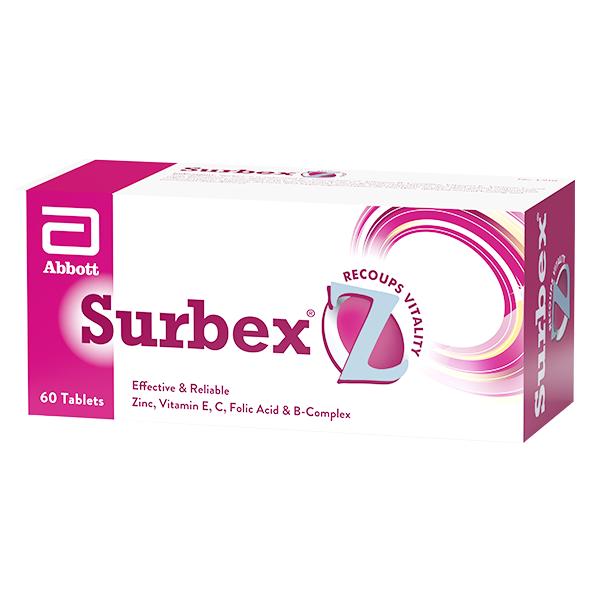
A food labelled “low cholesterol” is not automatically low in saturated fat, and dietary cholesterol is not the factor that affects blood LDL. Compare the Nutrition Facts or equivalent label, paying attention to saturated fat, trans fat where listed, fibre, serving size, and the whole food pattern. Be cautious of supplements or products promising to “clean out” arteries or replace prescribed treatment. Ask a pharmacist or clinician before using them, especially if you take regular medicines or have a chronic condition. For more on checking supplement ingredients and when to ask a pharmacist, see our Surbex Z patient guide.
Medicines that lower LDL
When medicine is recommended, the choice depends on your LDL result, health history, potential benefits and risks, other medicines, and personal preferences. Statins are commonly used to lower LDL and reduce the chance of cardiovascular events in people who may benefit. Other prescription options may be considered alone or alongside a statin, depending on the person and the reason for treatment. Your prescriber can explain the options and the evidence relevant to your situation. [ADD SOURCE]
If you are prescribed a cholesterol medicine, follow the instructions on the pharmacy label. Take it at the time and in the way specified; different medicines can have different directions. Do not assume that all cholesterol medicines must be taken at night, or that a missed dose should be doubled. If you miss a dose, check the patient leaflet or contact a pharmacist for advice specific to your medicine. Keep a current list of all prescription medicines, over-the-counter products, vitamins, and supplements, and share it with your care team.
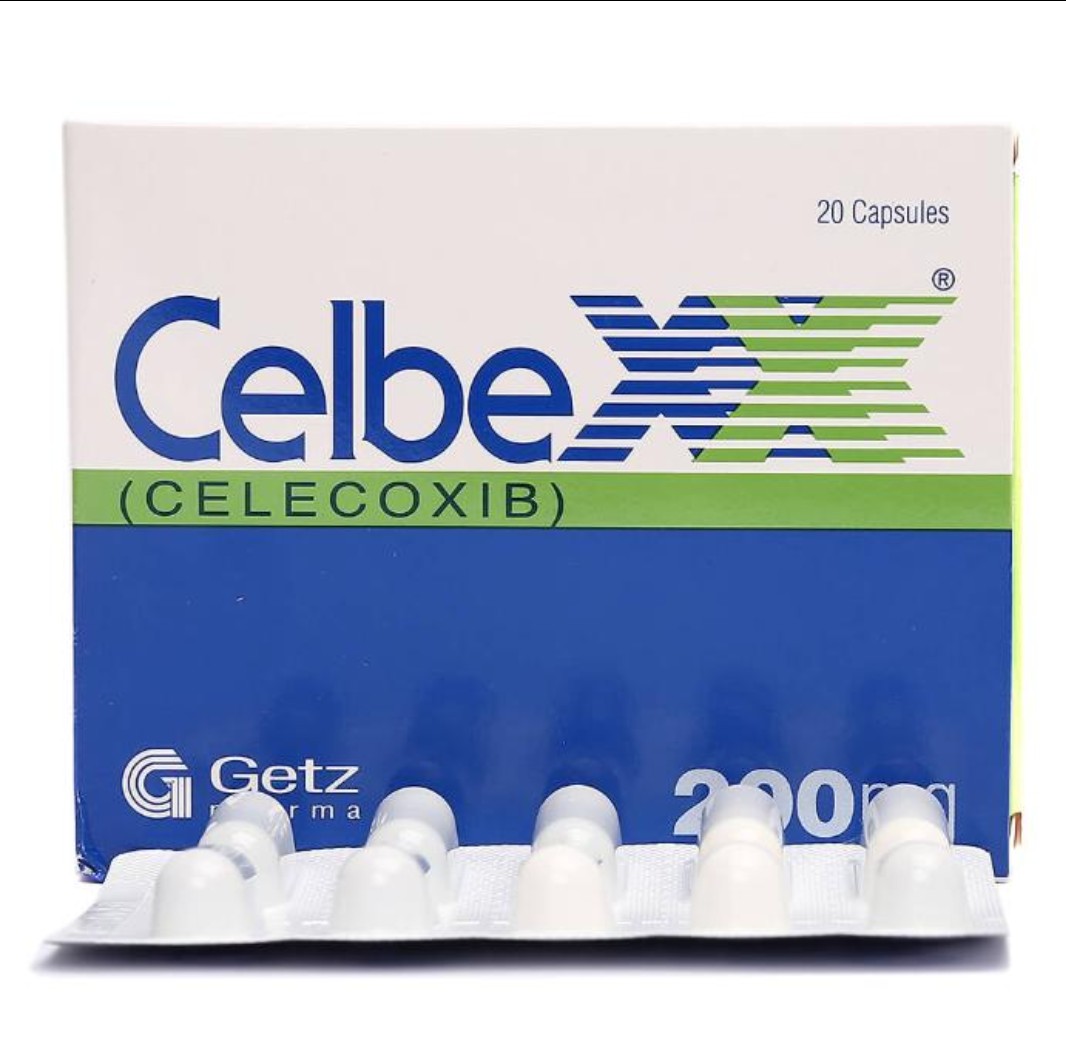
Some medicines interact with foods, drinks, or other medicines. Ask a pharmacist to check your full list before starting a new product, including supplements. If you develop a new symptom after starting treatment, contact your prescriber or pharmacist to discuss it. Seek prompt medical advice for severe or concerning symptoms. Do not stop a prescribed medicine without discussing it first, unless you have been told to stop for a specific urgent reason. Stopping treatment can allow LDL to rise again, and the care team may be able to adjust the plan or investigate a possible side effect. For an example of why medicine interactions and heart risks matter, read about Celbex tablet uses and safety.
When picking up a refill, check the medicine name and strength against your prescription and ask if anything looks different. Do not use another person’s medicine or share yours. If cost, swallowing, or remembering doses is a problem, tell the pharmacist or prescriber; practical alternatives may be available. If you are pregnant, planning pregnancy, or breastfeeding, tell your clinician before taking or continuing cholesterol-lowering medicine, because treatment decisions may need to change.
When to contact a health professional
Arrange a routine discussion if your LDL is above the range your clinician recommended, if you have not had a cholesterol check despite relevant risk factors, or if heart disease runs in your family. Also ask for help if you are unsure how to take a medicine, have missed several doses, are considering a supplement, or want to stop treatment. A pharmacist can help clarify label directions and check for medicine interactions; a prescriber can review whether the overall treatment plan should change.
High LDL usually has no warning symptoms. Do not wait for symptoms to decide whether to get a blood test or review your cardiovascular risk. However, symptoms such as sudden chest pressure or pain, sudden trouble breathing, face drooping, weakness on side, or difficulty speaking can be signs of an emergency. Call your local emergency number immediately rather than trying to manage these symptoms with an over-the-counter product or a cholesterol medicine.
Frequently asked questions
Is LDL cholesterol the same as total cholesterol?
No. LDL is part of a lipid panel. Total cholesterol is a broader measurement that includes cholesterol carried by LDL, HDL, and other particles. Your clinician considers the separate results and your health history together.
Can I feel when my LDL is high?
Usually not. High LDL generally does not cause noticeable symptoms. A blood test is needed to measure it; you cannot reliably tell from how you feel.
Can diet alone lower LDL?
Diet changes can help, but the amount of change varies. Inherited factors and medical conditions may keep LDL elevated even when someone follows a heart-healthy eating pattern. Some people need medicine as well. Discuss your results and goals with a clinician rather than assuming that approach will work for everyone.
Should I stop my medicine if my next test is normal?
No—not without speaking with the prescriber. A normal result may mean the treatment is working. Ask whether the medicine should continue and when to repeat testing.
Do I need to fast before a cholesterol test?
Not always. Requirements depend on the test and the laboratory. Follow the instructions you were given, and contact the clinic if you are uncertain.
Medical disclaimer
This article is for general education and does not replace individual medical advice, diagnosis, or treatment. LDL goals and treatment choices differ from person to person. Discuss your test results and medicines with a qualified health professional who knows your medical history. For urgent or severe symptoms, seek emergency care.
Important Medical Disclaimer
This article is for general educational purposes and is not a substitute for advice from a qualified doctor or pharmacist. Always consult your doctor/pharmacist before using any medicine, changing a dose, or starting treatment.
Related reading
Explore more about medicines and their effects in these guides.
- Opium Alkaloids and Their Chemical Structures: A Complete Guide — An overview of opium alkaloids and their chemical structures.