How Vascular Health Affects Breast Cancer Treatment Outcomes
When women face a breast cancer diagnosis, the focus naturally turns to tumours, staging, and treatment protocols. Yet beneath that clinical picture lies another factor that can profoundly shape both treatment options
By Luca Moretti, PharmD6 min read
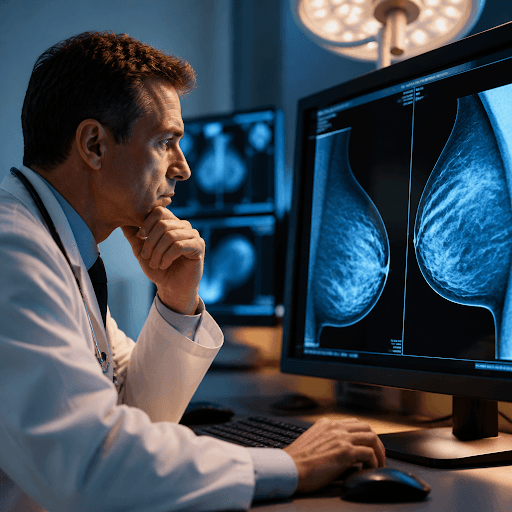
When women face a breast cancer diagnosis, the focus naturally turns to tumours, staging, and treatment protocols. Yet beneath that clinical picture lies another factor that can profoundly shape both treatment options and long-term survival: the health of the vascular system. Cardiovascular disease and breast cancer share risk factors, interact during treatment, and influence each other's trajectory in ways that deserve closer attention from patients and clinicians alike.
The Shared Risk Profile
Breast cancer and cardiovascular disease both increase with age, and both respond to similar lifestyle factors. Obesity, physical inactivity, poor diet, and smoking elevate risk for both conditions. Women who develop breast cancer often carry undiagnosed vascular issues, while those with existing cardiovascular disease face altered treatment pathways cancer appears. The overlap is not coincidental. Inflammation, metabolic syndrome, and endothelial dysfunction create fertile ground for both atherosclerosis and malignancy.
A baseline cardiovascular assessment before cancer treatment begins can reveal subclinical disease that might otherwise complicate chemotherapy or radiation. Echocardiograms, lipid panels, and blood pressure monitoring provide a snapshot of cardiac reserve, helping tailor regimens to minimise harm. This pretreatment screening is especially important for women over 60, those with diabetes, or anyone with a family history of heart disease.
Chemotherapy and Cardiac Toxicity
Certain breast cancer drugs carry well-documented cardiovascular risks. Anthracyclines such as doxorubicin can weaken the heart muscle, leading to cardiomyopathy in a subset of patients. Trastuzumab, a targeted therapy for HER2-positive breast cancer, may reduce the heart's ejection fraction. When these drugs are combined, the risk compounds. monitor cardiac function throughout treatment, adjusting doses or switching agents if the heart shows signs of strain.
The challenge lies in balancing cancer control with cardiovascular safety. Treatment decisions must account for both immediate tumour response and long-term cardiac health, particularly when alternative regimens exist. Women with borderline cardiac function may receive lower cumulative doses of anthracyclines or proceed directly to taxane-based protocols, sacrificing some anticancer potency to preserve heart function.
Radiation Therapy and Vascular Damage
Radiation to the chest wall, especially for left-sided breast cancer, exposes the heart and major vessels to scattered dose. Modern techniques such as deep inspiration breath-hold and intensity-modulated radiation therapy reduce cardiac exposure, but some risk remains. Years after treatment, radiation-induced coronary artery disease or valvular dysfunction may emerge. The latency period can stretch a decade or more, making long-term surveillance essential.
Radiation also affects the vasculature beyond the heart. Damage to small vessels can impair wound healing after reconstructive surgery, while fibrosis in larger arteries may complicate future interventions. Women who smoke or have pre-existing atherosclerosis face magnified risk. Smoking cessation before radiation begins is of the most effective protective measures available, reducing both acute skin reactions and long-term vascular complications.
The Role of Carotid and Cerebrovascular Health
Breast cancer survivors often require years of follow-up imaging and may develop other malignancies or chronic conditions that demand surgical intervention. During this time, cerebrovascular health becomes a silent determinant of safety. Narrowing of the carotid artery raises the risk of stroke during anaesthesia or in the perioperative period, particularly when combined with the haemodynamic stress of major surgery. Women undergoing mastectomy with reconstruction, especially those receiving implants or autologous tissue flaps, spend extended time under general anaesthesia. Adequate cerebral perfusion throughout these procedures is not guaranteed if carotid stenosis is present.
Screening for carotid disease is not routine in breast cancer care, yet it might prevent avoidable strokes in high-risk patients. A carotid ultrasound is non-invasive, inexpensive, and can identify significant stenosis before it causes symptoms. For women with diabetes, hypertension, or a history of transient ischaemic attacks, this simple test adds a layer of safety to an already complex treatment pathway.
Inflammation as a Common Thread
Chronic inflammation links cancer progression and cardiovascular disease at the molecular level. Inflammatory markers such as C-reactive protein and interleukin-6 are elevated in both conditions and predict worse outcomes in each. Cancer itself drives systemic inflammation, which accelerates atherosclerosis and destabilises existing plaques. Meanwhile, inflamed vessels create a microenvironment that supports tumour growth and metastasis.
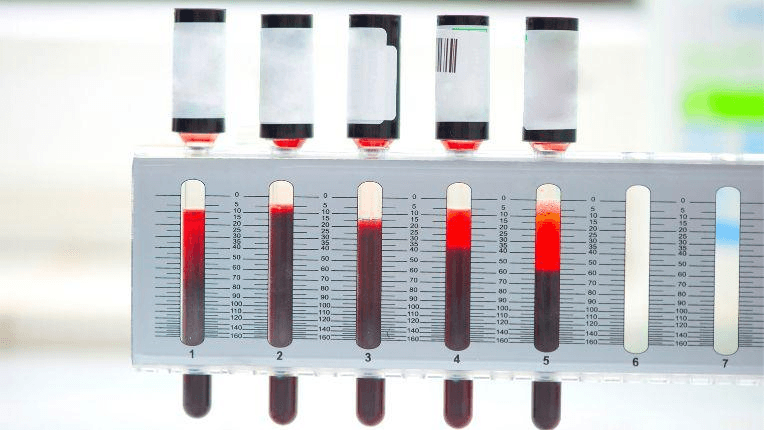
Anti-inflammatory strategies may offer dual benefits. Statins, widely prescribed for cholesterol management, also reduce vascular inflammation and may lower breast cancer recurrence risk in some studies. Aspirin shows mixed results but continues to be investigated for its potential role in cancer prevention. The erythrocyte sedimentation rate, a non-specific marker of inflammation, is sometimes monitored during cancer treatment and can signal either disease progression or cardiovascular instability.
Hormonal Therapies and Thrombotic Risk
Aromatase inhibitors and selective oestrogen receptor modulators form the backbone of hormone-positive breast cancer treatment. These drugs suppress oestrogen, slowing tumour growth but also affecting lipid metabolism and endothelial function. Aromatase inhibitors can raise LDL cholesterol and reduce HDL, accelerating atherosclerosis in susceptible women. Tamoxifen, conversely, carries a thrombotic risk, increasing the chance of deep vein thrombosis and pulmonary embolism.
Women on hormonal therapy benefit from regular lipid screening and lifestyle counselling. Weight management, aerobic exercise, and a Mediterranean-style diet mitigate some of the metabolic side effects. For those with a history of clotting disorders, alternative endocrine agents or closer monitoring may be warranted. The goal is to suppress cancer without triggering a cardiovascular event that could prove equally lethal.
Survivorship and Long-Term Vascular Monitoring
As breast cancer survival rates improve, the population of long-term survivors grows. Many will live decades beyond their diagnosis, during which time cardiovascular disease becomes the leading non-cancer cause of death. increasingly recognise the need for survivorship care plans that extend beyond cancer surveillance to include cardiac risk assessment, blood pressure control, and diabetes screening.
Survivors should maintain regular contact with both and primary care. Lipid-lowering therapy, antiplatelet agents, and beta-blockers may be indicated based on individual risk profiles. Exercise programmes tailored for cancer survivors improve both cardiovascular fitness and quality of life, reducing fatigue and depression while lowering the risk of recurrence.
Practical Steps for Patients
Women diagnosed with breast cancer can take concrete steps to protect their vascular health. Stop smoking immediately; the benefits begin within days and continue to accrue over time. Adopt a diet rich in vegetables, whole grains, and oily fish while limiting processed foods and added sugars. Aim for at least 150 minutes of moderate aerobic activity each week, adjusting intensity as treatment permits.
Request a cardiovascular assessment before starting chemotherapy or radiation. Discuss your personal and family history of heart disease with your oncologist, and ask whether baseline cardiac imaging is appropriate. If you experience new chest pain, shortness of breath, or oedema during treatment, report it immediately rather than assuming it is a minor side effect.
After treatment concludes, continue annual check-ups that include blood pressure, lipid panels, and blood glucose. If you received chest radiation, consider a cardiology referral for long-term monitoring, even in the absence of symptoms. Vascular health is not a separate concern from cancer care; it is an integral part of achieving the best possible outcome and living well beyond treatment.
Important Medical Disclaimer
This article is for general educational purposes and is not a substitute for advice from a qualified doctor or pharmacist. Always consult your doctor/pharmacist before using any medicine, changing a dose, or starting treatment.
Related reading
If this article on How Vascular Health Affects Breast Cancer Treatment Outcomes was helpful, explore these related guides for more practical information on similar topics.
- How to Track Macros When Eating Out Without Ruining Your Fitness Goals — Eating healthy at home is relatively straightforward. You measure your portions, control your ingredients, and know exactly what goes int…
- Mast Cell Activation Syndrome: Symptoms and Treatment — Understand mast cell activation syndrome, how doctors confirm it, treatment options, and the warning signs that need emergency care in Pa…
- How to Help Nausea: Relief Steps and Warning Signs — Learn practical ways to ease nausea, keep fluids down, choose medicines safely, and spot dehydration or other symptoms that need urgent m…