Barron Trump Height and Disease: What Tall Stature Can—and Cannot—Tell You
Is Barron Trump’s height a sign of disease? There is no reliable medical basis for diagnosing a disease from Barron Trump’s height or appearance. A…
By Dr. Amina Rahman, PharmD8 min read
Reviewed by Medical Review Team ·
Is Barron Trump’s height a sign of disease?
There is no reliable medical basis for diagnosing a disease from Barron Trump’s height or appearance. A person being unusually tall does not, by itself, mean they are ill. Height can reflect family traits, normal differences in growth, or—less commonly—a medical condition. A clinician with appropriate history, examination, and, when needed, tests can assess an individual. Public photographs, news reports, or guesses about someone’s height are not medical evidence. This guide explains what tall stature can mean and when a family in Pakistan should seek advice for a child who is growing unusually quickly.
What does “tall for age” mean?
Clinicians assess a child’s height using accurate measurements plotted on a growth chart for the child’s age and sex. A single measurement or comparison with classmates is not enough. A child may be tall but growing steadily along a family-patterned curve; another may be a more typical height but cross upward through several growth-chart lines over time. The direction and speed of growth can be more informative than measurement.
A doctor will usually ask about the child’s birth and growth history, parents’ heights, puberty timing, medicines, and general health. They may compare the child’s height with expected family patterns, check weight and proportions, and review earlier measurements. If there is a reason to investigate, the clinician may recommend targeted tests or referral to a paediatric endocrinologist. Tests are not automatically needed just because a child is tall.
Possible reasons for unusually tall growth
Most tall children are healthy, and family height is often an important influence. Other normal factors—such as differences in the timing of puberty—can affect how a child’s growth compares with peers. A clinician considers the whole growth pattern rather than treating height itself as an illness.
Less commonly, rapid or unusual growth may be associated with a hormone problem, a genetic condition, or another health issue. For example, excessive growth-hormone activity is a possible medical cause, but it is uncommon and cannot be identified from height alone. Some genetic conditions may involve distinctive body proportions or other features, but a list of possible conditions should not be used to label a child at home. A clinician must decide whether any features warrant assessment.
Tall stature is not the same as “gigantism.” That term refers to a rare condition involving excess growth hormone before the growth plates in the bones close. It is not a conclusion that can be drawn from a photograph, a reported height, or a person’s fame. Likewise, being tall does not establish that someone has a hormone disorder, a genetic syndrome, or any other diagnosis.
When should a child in Pakistan be checked?
Arrange a routine appointment with a family doctor, general practitioner, or paediatrician if a child’s growth seems unusually fast, measurements have moved sharply upward on the growth chart, or the child’s height is far outside the family pattern. Bring any previous height and weight records from school, clinic visits, or vaccination records. Measurements taken at home can be useful background, but inaccurate technique can mislead; the clinician can remeasure the child correctly.
Ask for timely medical advice if fast growth occurs alongside other new or concerning changes, such as headaches with vision problems, marked changes in facial features or hand and foot size, unusual weakness, or puberty developing much earlier than expected. These symptoms can have many causes and do not prove a hormone condition. A clinician can decide how urgently the child needs assessment. Seek emergency care for severe or sudden symptoms, such as a sudden severe headache, fainting, or sudden loss of vision, rather than waiting for a routine growth appointment.
If a child is otherwise well and has simply been tall for years, this is generally a reason to review growth records at a routine visit, not to assume an emergency. Do not delay care, however, if the child has significant symptoms or is becoming unwell.
What happens at an appointment?
The clinician may measure height and weight, review the child’s growth over time, and ask about family growth patterns and puberty. They may also ask about medicines and supplements. Bring a list or photographs of the packaging, including prescription medicines, over-the-counter products, traditional remedies, and supplements. Do not stop a prescribed medicine suddenly unless the prescriber tells you to; instead, ask whether it could affect growth and what to do next.
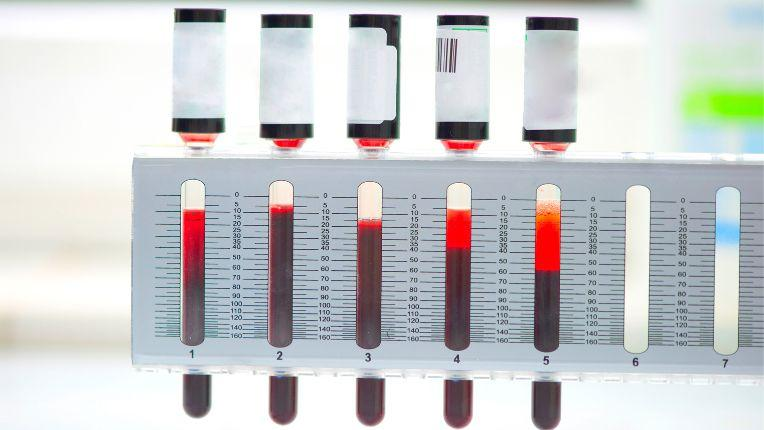
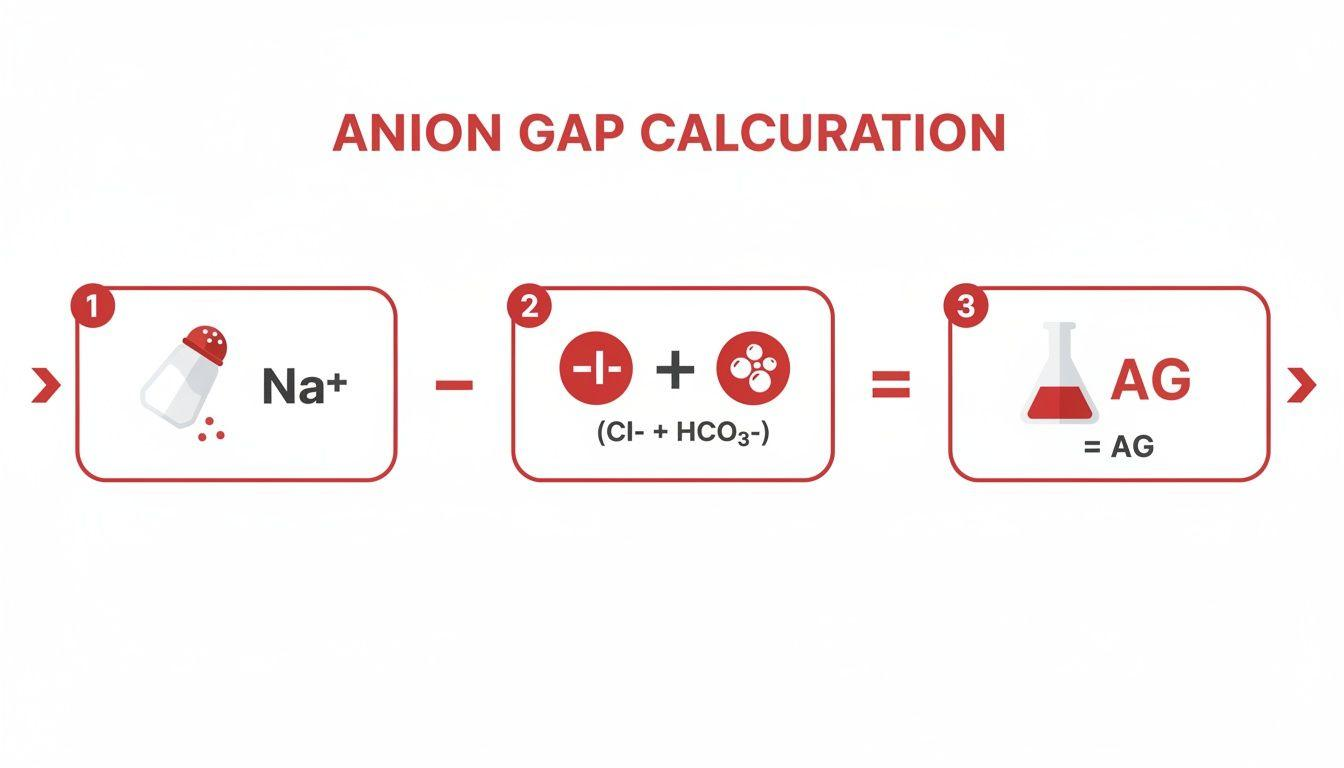
Depending on the findings, the clinician may recommend observation and repeat measurements, blood tests, imaging, or specialist review. The right approach depends on the child’s age, growth pattern, examination, and symptoms. A test is not a substitute for clinical assessment, and a normal or abnormal result should be interpreted by a qualified professional in context. For general information about specific blood test results, see these explainers on the sedimentation rate blood test and anion gap; neither is a test for tall stature. Ask what each suggested test is intended to check, how results will be explained, and when follow-up is needed.
In Pakistan, families can start with a registered doctor or paediatrician and ask whether referral to a paediatric endocrinologist is appropriate. If access to a specialist is difficult, ask the first clinician to explain the immediate plan and which warning signs should prompt earlier review. Avoid paying for unverified “hormone panels,” height treatments, or assessments without a doctor’s recommendation.
Practical guidance for parents and caregivers
- Keep a simple record of clinic-measured height and weight with the date. Do not repeatedly measure a child in a way that causes anxiety; the clinician can advise how often follow-up is useful.
- Share the full growth history, including earlier records if available. A sequence of reliable measurements is more useful than comparing the child with relatives or classmates.
- Do not give hormones, growth blockers, or medicines intended to change height unless a specialist has assessed the child and prescribed them. These treatments can have important risks and are not appropriate simply because a child is tall.
- Be cautious of supplements, herbal mixtures, and products claiming to stop growth, balance hormones, or guarantee a particular height. “Natural” does not mean proven safe, and ingredients or amounts may be unclear. Ask a doctor or pharmacist to review a product before using it, especially if the child takes other medicines or has a chronic condition.
- Protect the child’s privacy and confidence. Avoid teasing, repeated public discussion of their body, or sharing photographs and health guesses online. Explain that people grow at different rates and that an assessment is about health, not blame.
- Ask the clinician to explain the growth chart and the reason for any proposed test or referral. If you are unsure about a medicine or product, take its original packaging to a registered pharmacist or doctor rather than relying on a social-media claim.
Height, media reports, and privacy
Barron Trump is a public figure, but that does not make his medical history public or allow anyone to diagnose him. Reported heights can differ, may be outdated, and may not be independently confirmed. Even an exact height would not reveal a person’s hormone levels, growth history, or health. There is no responsible way to infer a disease from photographs or news coverage alone.
It is also important not to use a public figure as a comparison target for a child. Children’s growth is assessed against age- and sex-appropriate standards and their own pattern over time—not against an adult celebrity. If your concern is about a child in your care, a confidential appointment with a qualified clinician is more useful than searching for a diagnosis based on someone else’s appearance.
Frequently asked questions
Does Barron Trump have a height-related disease?
Publicly available height claims do not establish a diagnosis. Unless a reliable, appropriate medical source has confirmed a diagnosis, it is not responsible to say that he has a disease. A person’s health information is private, and appearance alone cannot answer the question.
Does being very tall mean someone has gigantism?
No. Tall stature alone does not mean gigantism. That rare diagnosis involves a specific pattern of excess growth hormone before the bones’ growth plates close and requires medical evaluation. Many tall people are healthy and have tall relatives.
Can a child’s height be changed safely at home?
There is no safe home method to control a child’s height. Do not use hormones, prescription medicines, supplements, or restrictive diets to try to alter growth. If growth is changing unusually, arrange an assessment; treatment, if needed, depends on the cause and should be supervised by a qualified specialist.
Should I ask for hormone tests because my child is tall?
Not automatically. The clinician first reviews measurements, growth speed, family pattern, symptoms, and examination. Tests are chosen when the assessment suggests they may help. Ask the doctor what a proposed test is checking and how the result will affect care.
Which doctor should I see in Pakistan?
Start with a registered family doctor or paediatrician. They can review growth records and decide whether a specialist referral is needed. A paediatric endocrinologist may assess suspected hormone-related growth concerns. A registered pharmacist can help review medicines or supplements, but cannot diagnose a growth disorder.
Medical disclaimer
This article is for general education and does not diagnose or treat any person, including Barron Trump or a child in your care. Growth varies between individuals, and concerns should be assessed using reliable measurements and a qualified clinician’s judgment. Seek urgent medical care for severe or sudden symptoms. Do not start, stop, or change prescribed treatment without advice from the prescribing clinician.
Important Medical Disclaimer
This article is for general educational purposes and is not a substitute for advice from a qualified doctor or pharmacist. Always consult your doctor/pharmacist before using any medicine, changing a dose, or starting treatment.
Related reading
This additional guide explores another clinical topic for general health reading.
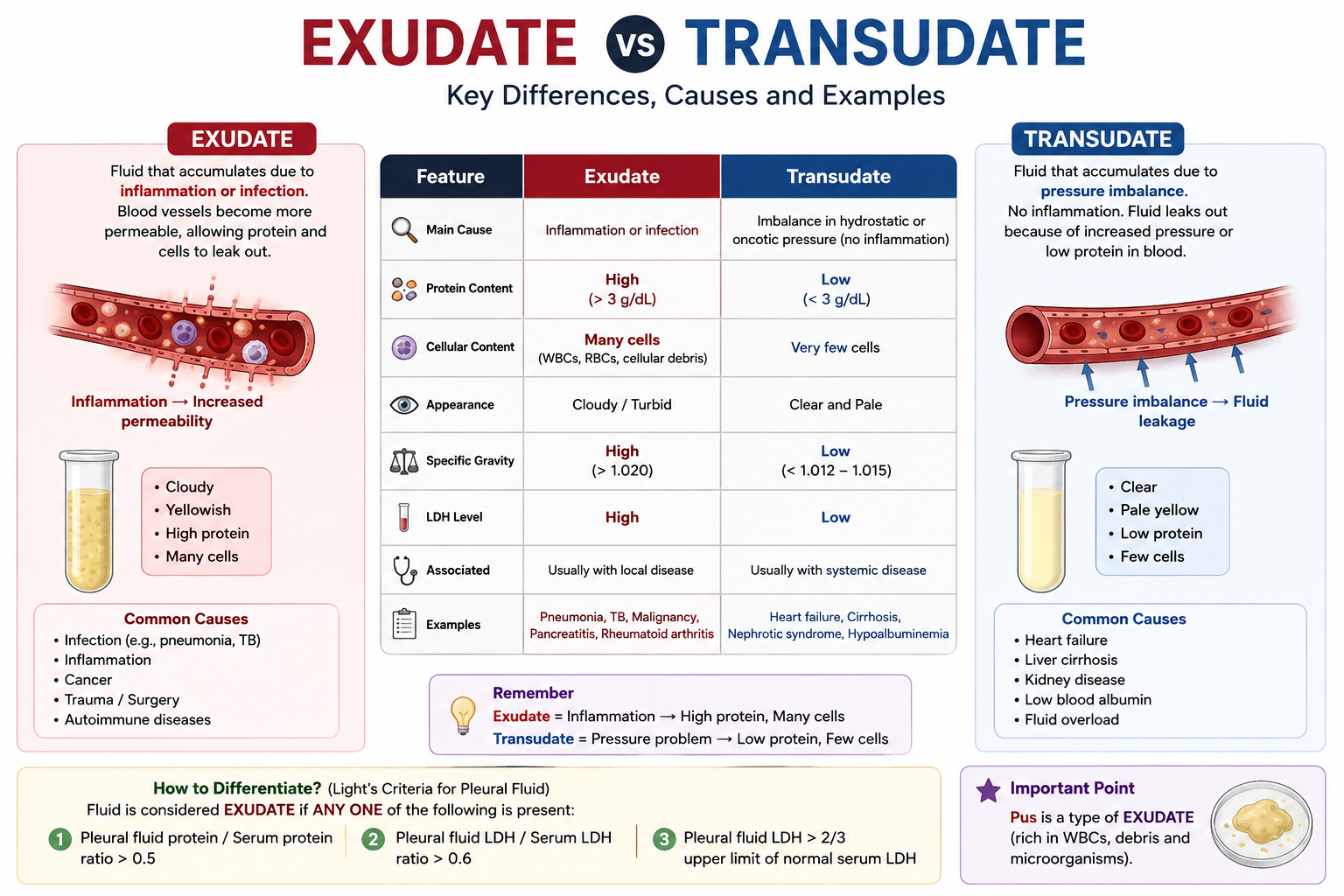
- What is difference between exudate and transudate fluid. — Learn how these two types of fluid differ.