Jalbitedrinks Coffee Brew: Caffeine, Energy, Sleep, and Health
What to know about Jalbitedrinks Coffee Brew “Jalbitedrinks Coffee Brew” is not enough information by itself to confirm a product’s ingredients, caffeine…
By Dr. Amina Rahman, PharmD9 min read
Reviewed by Medical Review Team ·
What to know about Jalbitedrinks Coffee Brew
“Jalbitedrinks Coffee Brew” is not enough information by itself to confirm a product’s ingredients, caffeine content, or health effects. Check the actual package or seller’s ingredient and nutrition information; do not assume every drink with “coffee” in its name contains the same amount of caffeine. If the label is missing, unclear, or makes strong health claims, ask a pharmacist before using it. In general, caffeine in coffee can temporarily increase alertness, but it can also cause shakiness, anxiety, a faster heartbeat, stomach discomfort, and poorer sleep. The amount and timing matter, and caffeine is not a substitute for sleep or treatment of fatigue.
This guide explains how to assess a coffee brew and use caffeine more safely. It cannot verify that a particular Jalbitedrinks product is genuine or describe its exact formulation without reliable product information.
What caffeine does in the body
Caffeine is a stimulant. After you drink it, it is absorbed into the bloodstream and affects brain signaling involved in sleepiness and alertness. People may feel more awake or focused for a time. The effect varies with the amount consumed, how often someone uses caffeine, individual sensitivity, age, pregnancy, health conditions, and medicines.
Caffeine does not remove the body’s need for sleep. It may make tiredness less noticeable while its effects last, but it cannot reliably restore judgment, coordination, or performance after too little sleep. Regular use can also lead to tolerance, so the same drink may seem less effective over time. Some people who stop suddenly after frequent use experience temporary headache, tiredness, irritability, or difficulty concentrating. A gradual reduction may be easier than stopping abruptly; ask a clinician or pharmacist for advice if symptoms are severe or persistent.
Check the product before drinking it
Before trying Jalbitedrinks Coffee Brew—or any packaged coffee drink—look for the following on the container or a trustworthy manufacturer’s information:
- Caffeine per serving: Check whether the amount is stated for serving, a full bottle, a sachet, or a prepared cup. A package may contain more than serving. If the caffeine amount is not given, you cannot reliably compare it with other drinks; accurate and precise measurements are important when making comparisons.
- Serving instructions: Note how much water or milk to add and whether the package describes serving or several. Do not use extra powder, concentrate, or sachets to seek a stronger effect.
- Other sources of caffeine: Ingredients may include coffee, tea, guarana, or added caffeine. A product can contain caffeine even if it is not obvious from its name. Check other drinks and medicines used that day as well.
- Sugar and other ingredients: Sweeteners, flavorings, and added ingredients may matter for people managing diabetes, food allergies, or other dietary needs. Ask a pharmacist or clinician if the ingredient list is incomplete or difficult to understand.
- Manufacturer and product details: Look for a complete ingredient list, batch or lot information, expiry or best-before date, and clear manufacturer or importer details. Avoid a product with damaged packaging, missing information, or claims that it cures illness, rapidly burns fat, or safely replaces sleep.
In Pakistan, packaged products may be sold through shops, pharmacies, websites, and social media. A seller’s description is not a substitute for the original label. If the pack has unfamiliar wording or the product is imported, take a clear photo of all sides of the packaging and show it to a pharmacist. Do not rely on an listing to confirm that the product is registered, authentic, or suitable for you. [ADD SOURCE: Pakistan-specific advice on checking product registration or reporting unsafe products, if applicable.]
Energy and everyday use
If you choose to drink a caffeinated coffee, use the label to understand the serving and avoid combining it with several other caffeine sources. Count coffee, tea, cola, energy drinks, chocolate, and some medicines or supplements. The caffeine content can differ widely between products and preparation methods, so a cup is not a dependable unit for comparing strength.
For many people, drinking coffee earlier in the day is less likely to disturb sleep than drinking it later. Caffeine can remain in the body for hours, and people vary in how quickly they feel its effects wear off. If you have trouble falling asleep, wake during the night, or feel unrefreshed, try reducing caffeine or moving it earlier. Keep a brief record of what you drink and when, alongside sleep symptoms, and discuss persistent problems with a healthcare professional.
Do not use coffee to push through severe tiredness when driving, operating machinery, or caring for someone in a situation where alertness is essential. If you are sleepy, stop the hazardous activity and arrange rest or another safe option. Caffeine may make you feel more awake without making you safe to drive.
Sleep: when to stop
There is no single cut-off time that suits everyone. As a practical starting point, avoid caffeine in the late afternoon and evening, and move your last caffeinated drink earlier if sleep is affected. Some people need to stop earlier still. Avoid increasing the amount to overcome a poor night’s sleep; that can create a cycle of worse sleep and more caffeine use.
For better sleep, keep a regular sleep and wake schedule when possible, reduce bright screens and stimulating activity near bedtime, and avoid using caffeine as a night-shift or study substitute without considering recovery sleep. If sleep difficulty continues despite changes, or is linked with loud snoring, pauses in breathing, severe daytime sleepiness, pain, low mood, or another concerning symptom, seek medical advice rather than relying on coffee.
Possible side effects and who should take extra care
Caffeine may cause restlessness, tremor, anxiety, headache, nausea, heartburn, more frequent urination, or a pounding or faster heartbeat. It may worsen panic symptoms, reflux, or sleep problems in some people. Reduce or stop the drink if you notice a clear connection with symptoms. Seek urgent medical care for severe chest pain, fainting, serious breathing difficulty, or a sustained or irregular heartbeat, especially if symptoms are new or intense.
Ask a doctor or pharmacist before using a caffeinated product regularly if you are pregnant, trying to become pregnant, breastfeeding, a child or teenager, or have a heart rhythm problem, uncontrolled blood pressure, significant anxiety, reflux, or another chronic condition. Pregnancy and breastfeeding can change caffeine advice, and the safe amount depends on the person and all caffeine sources. Do not apply general adult guidance to a child.
Caffeine can interact with some prescription medicines, over-the-counter products, and supplements. The effect may be different depending on the medicine and the person. Ask a pharmacist to check the full list of medicines you take, including products for colds, headaches, weight loss, or alertness. Do not stop a prescribed medicine or change its dose to accommodate a coffee drink.
Common mistakes to avoid
- Assuming “natural” means harmless: Coffee-derived caffeine is still a stimulant, and a blend may contain additional active ingredients.
- Doubling up: Drinking coffee alongside energy drinks, strong tea, or caffeine-containing headache or cold products can add up unexpectedly.
- Taking more because you feel tired: A stronger serving may increase side effects without correcting sleep loss or an underlying illness.
- Using it to treat persistent fatigue: tiredness can have many causes, including sleep problems, illness, stress, or medicine effects. A clinician can assess the cause.
- Trusting cure or performance claims: A drink should not be treated as a cure for a medical condition or as proof that you can safely work or drive while sleep-deprived.
- Ignoring a missing label: If caffeine and ingredients cannot be confirmed, choosing a clearly labeled alternative—or avoiding the product—is safer.
When to contact a pharmacist or doctor
Speak with a pharmacist before using the product if you cannot identify its ingredients, are taking regular medicines, or are unsure whether another drink or supplement contains caffeine. Contact a doctor if caffeine repeatedly causes palpitations, marked anxiety, stomach symptoms, headaches, or sleep disruption, or if tiredness continues despite adequate rest. Arrange prompt medical assessment for new or worsening symptoms rather than masking them with coffee.
If you have consumed an unknown product and feel seriously unwell, keep the packaging and seek urgent medical help. Tell the healthcare team what was taken, approximately when, and whether other medicines or drinks were used. Do not make yourself vomit unless a medical professional specifically advises it.
FAQ
Is Jalbitedrinks Coffee Brew safe?
Its safety cannot be judged from the name alone. It depends on the verified ingredients, caffeine per serving, product quality, how much is used, and your age, health, pregnancy or breastfeeding status, and medicines. Use it when the label is clear, and ask a pharmacist if you are uncertain.
Does coffee give lasting energy?
Caffeine may temporarily increase alertness, but it does not replace sleep, food, fluids, or treatment for a health problem. A temporary lift followed by tiredness can occur, especially when caffeine is used to compensate for repeated sleep loss.
Can I drink it at night if I do not feel affected?
You may not notice an immediate effect, but caffeine can still affect sleep. If you have difficulty falling asleep or staying asleep, move the last serving earlier or avoid caffeine and see whether sleep improves.
Can I use it with my medicines?
Do not assume it is compatible. Ask a pharmacist to check the exact product label against your prescription medicines, non-prescription medicines, and supplements. This is especially important if you have a chronic condition or use products for headaches, colds, weight loss, or alertness.
What if I want to cut down?
Track all caffeine sources for several days, then reduce gradually if you use caffeine frequently and stopping causes symptoms. Replace some servings with non-caffeinated drinks and keep caffeine earlier in the day. Seek advice if withdrawal symptoms are severe or you cannot reduce use.
Medical disclaimer
This article provides general health education, not a diagnosis or personal treatment plan. Product formulations and caffeine content can change, and the information here does not verify Jalbitedrinks Coffee Brew or any particular batch. Read the current package and consult a doctor or pharmacist for advice tailored to your health, pregnancy or breastfeeding status, and medicines. For severe or urgent symptoms, seek emergency medical care.
Important Medical Disclaimer
This article is for general educational purposes and is not a substitute for advice from a qualified doctor or pharmacist. Always consult your doctor/pharmacist before using any medicine, changing a dose, or starting treatment.
Related reading
Explore these articles for more information on related topics.
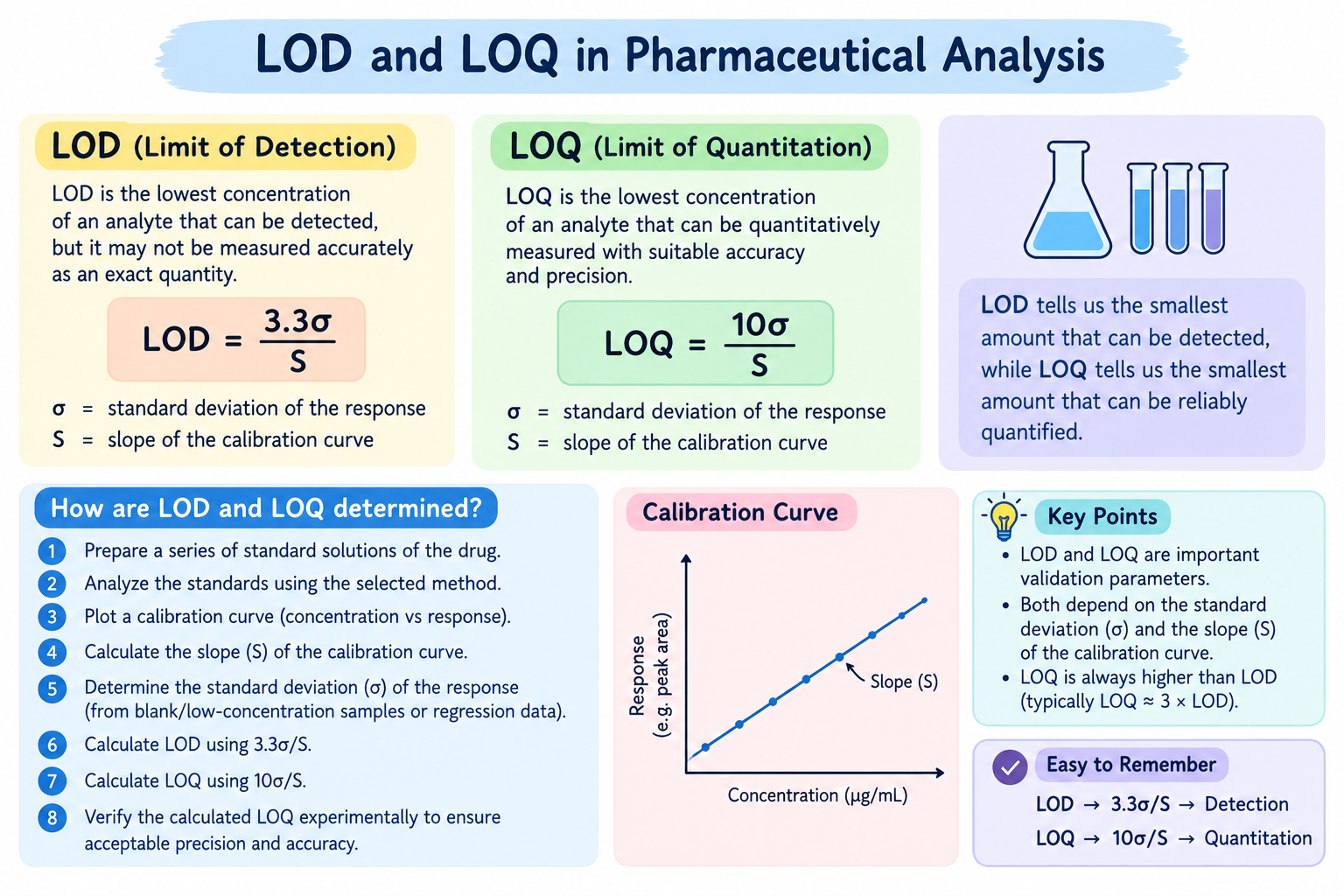
- How LOD and LOQ is determined & Describe sensitivity of a method ? — Learn about detection limits, quantification limits, and method sensitivity.