Is Vial Meningitis Contagious? What Patients and Caregivers Should Know
Is “vial meningitis” contagious? If you searched “is vial meningitis contagious,” you may mean viral meningitis . Viral meningitis is inflammation of the…
By Dr. Khalid Mehmood, MD9 min read
Reviewed by Medical Review Team ·
Is “vial meningitis” contagious?
If you searched “is vial meningitis contagious,” you may mean viral meningitis. Viral meningitis is inflammation of the tissues around the brain and spinal cord caused by a virus. The meningitis itself does not pass from person to person, but some viruses that can cause it do spread between people. Catching of those viruses does not mean you will develop meningitis; many infections cause mild or no symptoms. The risk depends on the virus and how it spreads, so hygiene and advice from a healthcare professional matter, especially when someone is very unwell or is an infant.
If a clinician has used the term “viral meningitis,” ask which virus is suspected or confirmed and what precautions apply at home. A spelling clarification can also help: “vial” usually refers to a small medicine container, while “viral” refers to an infection caused by a virus.
What viral meningitis is—and what it is not
Meningitis means inflammation of the meninges, the protective layers around the brain and spinal cord. Viruses are possible cause. Other causes include bacteria and, less commonly, fungi or other conditions. The cause matters because symptoms can overlap while the urgency and treatment differ. A person cannot reliably tell viral meningitis from bacterial meningitis based on symptoms alone.
Viral meningitis is not the same as a common cold, stomach infection, or every viral illness. A virus may spread without causing meningitis, and meningitis is not automatically contagious just because the word appears in a diagnosis. The relevant question is whether the virus causing the illness can spread, and by which route. A clinician may need tests, including examination of fluid around the spinal cord, to identify the cause.
Terms you may hear
- Meninges: layers surrounding the brain and spinal cord.
- Enterovirus: a group of viruses that can cause a range of illnesses, including some cases of viral meningitis.
- Cerebrospinal fluid (CSF): fluid around the brain and spinal cord that may be tested during a medical evaluation.
- Aseptic meningitis: a term sometimes used when tests do not show typical bacterial causes; it does not by itself identify the exact cause.
These terms describe different parts of the illness and are not interchangeable. The cause and precautions should be explained in the context of the individual’s assessment.
How the viruses may spread
There is no single transmission route for all viral meningitis. Some viruses can spread through contact with stool, such as when hands are not washed well after using the toilet or changing a diaper and then touch food or another person. Some can spread through respiratory droplets or saliva during close contact. Other viruses have different routes. For example, viruses associated with herpes infections are not generally spread through ordinary casual contact in the same way as a respiratory infection; a healthcare professional can explain any precautions relevant to a particular diagnosis.
A person exposed to a virus may develop an illness other than meningitis, or no noticeable illness. It is not possible to predict from exposure alone who will develop meningitis. Likewise, a household contact does not automatically need testing or preventive medicine simply because someone has viral meningitis. Ask the treating team what applies to the identified or suspected virus, particularly if a contact is pregnant, has a weakened immune system, or is a young infant. Do not assume that advice for type of meningitis applies to another.
Symptoms and when to seek urgent care
Meningitis can cause fever, a severe or worsening headache, neck stiffness, nausea or vomiting, sensitivity to light, unusual sleepiness, or confusion. Some people have several symptoms; others may not have the full pattern. Babies and young children may show less specific signs, such as poor feeding, unusual irritability, lethargy, or a bulging soft spot. Symptoms alone cannot establish whether meningitis is viral or bacterial.
Seek urgent medical care now for a person with possible meningitis symptoms, especially fever with severe headache, stiff neck, confusion, marked drowsiness, repeated vomiting, or rapid worsening. Call local emergency services or go to an emergency department if the person is difficult to wake, has a seizure, has trouble breathing, or is rapidly becoming very unwell. In Pakistan, use the nearest emergency department or local emergency service; do not delay while trying to confirm the cause at home. A rash can occur with some serious infections, but its absence does not rule out meningitis.
For an infant, seek prompt professional assessment for fever, poor feeding, unusual sleepiness, persistent irritability, or other concerning changes. Do not wait for a baby to develop a stiff neck or be able to describe a headache. If symptoms are severe or rapidly worsening, treat the situation as an emergency.
How clinicians assess the cause
A healthcare professional will consider the person’s symptoms, examination, health history, and test results. Depending on the situation, investigations may include blood tests, imaging, or analysis of cerebrospinal fluid. A lumbar puncture is a procedure used to collect CSF; it is performed by trained clinicians when appropriate. Not every person needs every test, and a test result must be interpreted alongside the clinical picture.
Because bacterial meningitis can be life-threatening and may need urgent treatment, suspected meningitis requires prompt medical assessment rather than home observation or self-diagnosis. A clinician may begin treatment before the exact cause is known if bacterial infection is a concern. Do not delay care because someone has been told a virus is possible, and do not use leftover antibiotics or antiviral medicines. The right treatment depends on the cause and the person’s condition.
Care, recovery, and household precautions
Treatment and follow-up depend on the suspected cause, the person’s age and health, and how severely they are affected. Some viral infections are managed with supportive care under professional guidance, while specific causes or complications may require other medical care. This general information cannot determine what treatment an individual needs. Follow the discharge instructions, attend recommended follow-up, and contact the treating team if symptoms worsen or new concerns develop.
To reduce the spread of infections that pass through contaminated hands or surfaces, wash hands with soap and clean water after using the toilet, changing diapers, and before preparing or eating food. Help children wash their hands, clean frequently touched surfaces, and avoid sharing items that are contaminated with saliva or bodily fluids. If soap and water are not available, ask a health professional or public-health authority about suitable alternatives for the setting; hand-cleaning products may not work equally well for every germ.
If the illness may spread through respiratory secretions, follow the clinician’s advice about close contact, cough etiquette, and staying home while unwell. Keep shared spaces reasonably ventilated when possible. Do not impose broad isolation or exclude a child from school for an arbitrary period without advice: precautions and return timing depend on the cause, symptoms, and local public-health guidance. In Pakistan, local availability and advice may vary, so use the treating facility or relevant public-health service as the source for situation-specific instructions.
Vaccines prevent some infections that can cause meningitis, but they do not prevent every viral cause. Ask a qualified healthcare professional whether routine or catch-up vaccines are appropriate for the person’s age and circumstances. Vaccination advice is not a substitute for urgent assessment when meningitis symptoms are present.
Common misunderstandings
- “If it is viral, it cannot be serious.” Viral meningitis can still require medical assessment, and symptoms cannot safely distinguish it from bacterial meningitis.
- “Everyone exposed will get meningitis.” Exposure may lead to no illness or a different illness; meningitis is not an inevitable outcome.
- “Meningitis itself spreads like a cold.” Meningitis is inflammation. Whether an underlying infection spreads, and how, depends on its cause.
- “Antibiotics treat every type.” Antibiotics do not treat viruses. Clinicians may use them when bacterial meningitis is suspected, but a professional assessment can guide care.
- “No rash means it is not meningitis.” A rash is not required for meningitis, and waiting for can delay care.
FAQ
Can I catch meningitis from sharing a room with someone who has it?
Not necessarily. The answer depends on the organism causing the illness and the kind of contact. Some viruses spread through close contact or contaminated hands, but exposure does not mean a person will develop meningitis. Ask the treating team whether household contacts need any specific precautions.
Should family members take medicine after exposure?
Do not take another person’s medicine or seek preventive treatment without professional advice. Whether contacts need assessment or any preventive action depends on the cause and exposure. If a family member develops concerning symptoms, seek medical care promptly.
Is viral meningitis contagious after the patient feels better?
There is no answer for every virus. The period during which a virus may spread can differ from the time a person feels ill, and it depends on the cause. Continue careful handwashing and follow any instructions from the clinician or public-health authority rather than relying on symptom improvement.
Can a child return to school or daycare?
Ask the child’s clinician or the school’s health contact. The decision can depend on the cause, the child’s recovery, and local rules. Do not use a general internet timetable as a substitute for case-specific advice.
What if the diagnosis was written as “vial meningitis”?
Check the spelling with the clinic or review the written report with a healthcare professional. It may be a typing or hearing error for “viral meningitis,” but do not assume the cause from a single word. Ask what diagnosis was made, what tests were done, and which precautions are recommended.
Medical disclaimer
This article is general health education, not a diagnosis or personal treatment plan. Meningitis can be a medical emergency, and its causes may require different care. If you or someone you care for has possible meningitis symptoms, seek prompt professional assessment; use emergency services for severe or rapidly worsening symptoms. Follow the treating clinician’s advice and local public-health guidance.
Related reading
Explore these related health topics for additional background.
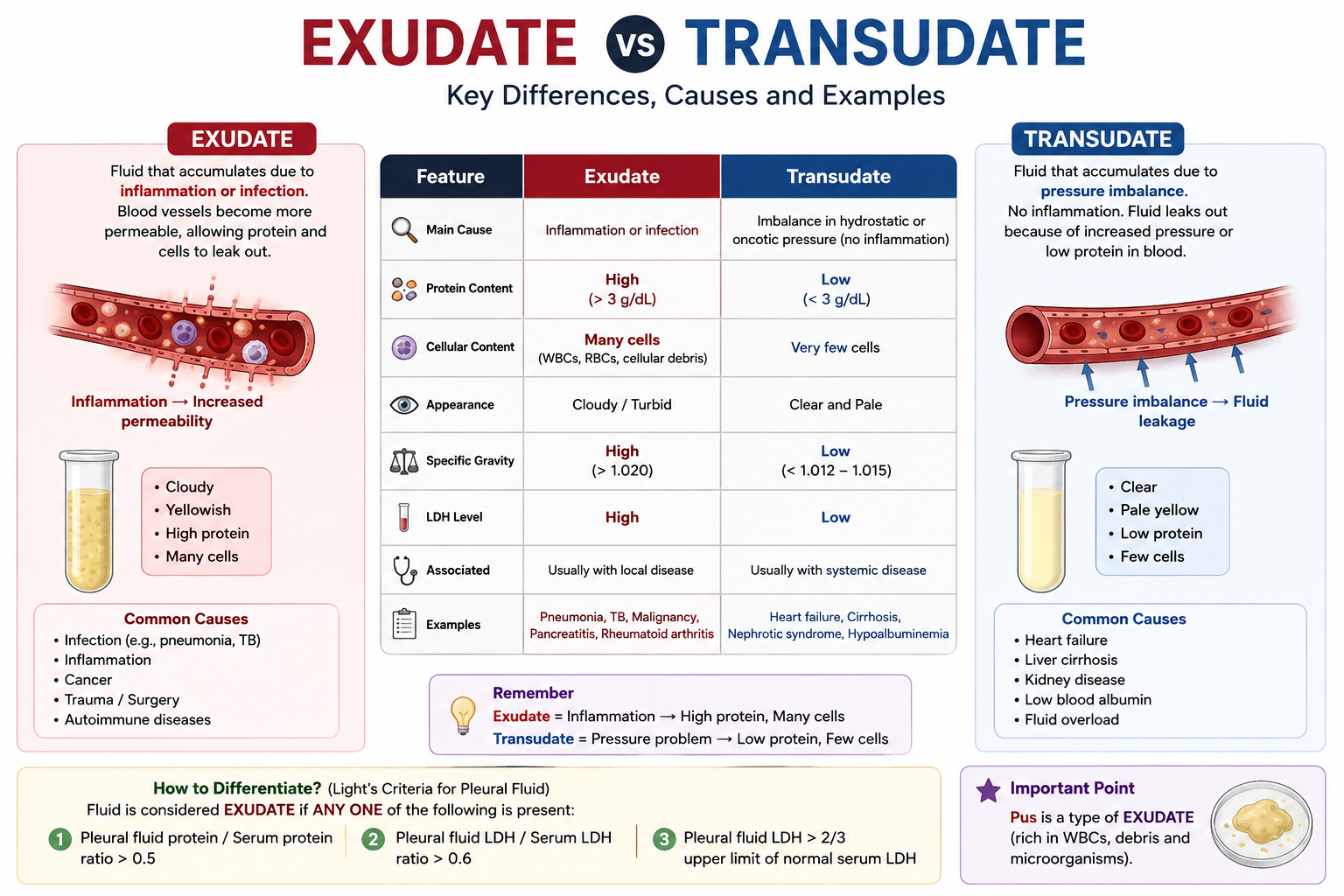
- What is difference between exudate and transudate fluid — Learn how these two types of fluid are distinguished.
Important Medical Disclaimer
This article is for general educational purposes and is not a substitute for advice from a qualified doctor or pharmacist. Always consult your doctor/pharmacist before using any medicine, changing a dose, or starting treatment.