Unlocking Your Wellness Journey with JalbiteHealth Help Guides
What are JalbiteHealth Help Guides? “JalbiteHealth Help Guides” sounds like a resource for health information, but the name alone does not confirm who…
By Jordan Hale, PharmD13 min read
Reviewed by Medical Review Team ·
What are JalbiteHealth Help Guides?
“JalbiteHealth Help Guides” sounds like a resource for health information, but the name alone does not confirm who publishes it, whether it is medically reviewed, or whether it is connected to a health service. Treat any guide under this name as information to check—not as a diagnosis, prescription, or substitute for a clinician. For medicines, the safest next step is to compare a guide’s advice with the package leaflet and ask a registered pharmacist or doctor when instructions are unclear, symptoms are serious, or you take other medicines.
This guide explains how patients and caregivers in Pakistan can use health guidance carefully, check medicine labels, avoid common mistakes, and know when to seek help. Do not start, stop, or change a prescribed medicine solely because a website or social-media post recommends it.
How to judge a health help guide
Before following advice, look for details that help you assess its reliability. A useful guide should identify its publisher, explain who wrote or medically reviewed it, show when it was last updated, and distinguish general information from personal medical advice. It should describe risks as well as possible benefits and tell readers when to get urgent care. If those details are missing, treat the information cautiously.
Check whether the article makes claims that can be verified. Statements such as “this cures every case,” “there are no side effects,” or “stop your prescribed treatment immediately” are warning signs. Be wary of content that pressures you to buy a product, promises guaranteed results, or recommends a medicine without asking about age, pregnancy, allergies, existing conditions, and other medicines.
A familiar name, professional-looking website, or high search-engine ranking does not prove that medical advice is accurate. Do not assume that “JalbiteHealth” is an official government, hospital, pharmacy, or regulator service unless you can confirm that independently. For information about medicine registration or public-health advice, consult the relevant official Pakistani source and ask a local healthcare professional if you are unsure.
Use advice as a starting point
A health guide can help you prepare questions, understand common terms, or remember what to discuss at an appointment. It cannot examine you, confirm a diagnosis, review your full medication record, or respond to changes in your condition. The same symptom can have different causes and may need different care depending on a person’s age, pregnancy status, medical history, and other medicines.
Use this simple process:
- Name the question. Write down what you need to know: what a medicine is for, how to follow the label, what side effects to watch for, or whether a symptom needs assessment.
- Check the source and date. Look for a named publisher, qualified reviewer, update date, and references. If these are absent, do not rely on the page for a treatment decision.
- Compare with your own packaging. Read the leaflet and dispensing label for the medicine you actually have. Instructions may differ between products or formulations.
- Check your circumstances. Consider allergies, pregnancy or breastfeeding, long-term conditions, age, and every prescription, non-prescription, herbal, and traditional product you use.
- Ask a professional when needed. A pharmacist can often clarify label wording and possible interactions. A doctor or other appropriate clinician should assess new, persistent, worsening, or concerning symptoms.
Keep a written list of medicines and allergies, and take the packaging or a clear photo of its label when asking for help. This is especially useful when a caregiver manages medicines for someone else or when a person sees more than prescriber.
Read the medicine label before taking anything
The active ingredient is the substance that produces the medicine’s effect. It may be listed as the generic name or international nonproprietary name (INN). Products with the same active ingredient can have different brand names, packaging, strengths, or forms. Do not assume that two boxes are interchangeable just because their names look similar. Ask a pharmacist to confirm the active ingredient, strength, and formulation before substituting product for another.
Check the following every time you use a medicine:
- Medicine and active ingredient: Confirm that the product is the prescribed or recommended for you. Look for combination products, which may contain more than active ingredient.
- Strength and form: Check the strength and whether it is a tablet, liquid, capsule, cream, inhaler, injection, or another form. A product in form is not automatically used in the same way as another.
- Directions: Follow the prescriber’s directions and the dispensing label. If the label conflicts with a website or leaflet, do not guess; contact the pharmacist or prescriber who supplied it.
- Timing and duration: Follow the stated schedule and length of treatment. Do not take extra, double a missed amount, extend treatment, or stop early unless the label or a healthcare professional tells you to.
- Warnings and storage: Read instructions about food, activities, sunlight, refrigeration, and keeping the medicine away from children. Check the expiry date and whether the packaging is intact.
If a label is damaged, unreadable, in a language you cannot understand, or missing, ask the dispensing pharmacy or prescriber for clarification before using the medicine. Do not identify a medicine by colour or shape alone. Keep medicines in their original packaging when possible so the name, instructions, batch details, and expiry information remain available.
Taking prescribed medicines safely
Use a prescribed medicine for the reason and period agreed with your clinician. Do not share it with another person, even if their symptoms seem similar. A medicine selected for person may be unsafe for another because of allergies, age, pregnancy, kidney or liver problems, or interactions.
If you miss a scheduled dose, check the patient leaflet or contact a pharmacist. The right advice depends on the medicine and how close it is to the next scheduled dose. Do not automatically take two doses together to make up for missed dose. If you are unsure whether you already took a dose, seek advice rather than guessing—particularly for medicines where taking an extra amount may be dangerous.
Do not stop a regular medicine suddenly without professional advice unless you are experiencing a potentially severe reaction and need emergency care. Some treatments need a planned reduction or review. If you think a medicine is causing a problem, note when it started, what you took, and what symptoms appeared, then contact a pharmacist or prescriber promptly. For severe symptoms, seek urgent care rather than waiting for an reply.
If you have trouble following the schedule because of cost, side effects, swallowing difficulties, or a complicated routine, tell your clinician or pharmacist. They may be able to discuss a safer or more manageable plan. Do not conceal missed doses; accurate information helps them advise you.
Avoiding common medicine mistakes
Using more than product with the same ingredient: Different products may contain the same active ingredient, even when their brand names and uses seem different. Check the ingredient lists on all prescription and non-prescription products, including cold, pain, allergy, and combination remedies. Ask a pharmacist to check for duplication before combining them.
Taking someone else’s medicine: A relative’s prescription is not a safe substitute for your own assessment. Avoid sharing medicines, including leftover antibiotics, prescription pain medicines, inhalers, and medicines for blood pressure or diabetes.
Using antibiotics without an assessment: Antibiotics are not suitable for every infection or fever, and choosing without a clinician can delay the right care and contribute to resistance. Do not use leftover antibiotics or stop or extend a prescribed course based on a help guide. Ask the prescriber what to do if you miss a dose or develop a possible reaction.
Mixing medicines with herbs or supplements: Herbal, traditional, and nutritional products can also cause side effects or interact with medicines. Tell your doctor and pharmacist what you use, including teas, powders, drops, and products bought or from a local shop. “Natural” does not mean risk-free.
Using old or poorly stored medicines: Heat, moisture, and unsuitable storage can affect some products. Follow the package instructions, do not use expired medicine, and ask a pharmacist how to dispose of unwanted or damaged products safely. Keep medicines out of children’s reach, ideally in a secure place.
Following a dose found online: A dose on a webpage may not match your prescription, product strength, age group, or medical situation. This guide does not provide medicine doses. Use the directions on your own prescription and packaging, and ask a pharmacist or prescriber before making a change.
Non-prescription self-care: when to pause
Some minor, short-lived problems may be suitable for self-care, but an guide cannot confirm that a symptom is minor. Before using an over-the-counter product, read its label and check with a pharmacist if you have a long-term condition, medicine allergy, pregnancy or breastfeeding, or take regular medicines. The same caution applies to children, older adults, and people with kidney, liver, heart, breathing, or bleeding conditions.
Do not rely on self-care alone if symptoms are severe, rapidly getting worse, repeatedly returning, or not improving as expected. Avoid combining multiple remedies to “cover” symptoms without checking their ingredients. If a symptom is unusual for you or you are worried, contacting a clinician is safer than repeatedly trying products at home.
In Pakistan, access and product availability can vary between locations. Ask a registered pharmacist to explain the label and whether a product is suitable for you. If a product’s source, seal, expiry, or instructions are questionable, do not use it until a pharmacist or relevant authority has helped you verify it. Do not purchase prescription-only treatment on the basis of a social-media recommendation or an unverified seller.
When to seek urgent medical help
Get urgent medical help for symptoms such as difficulty breathing, collapse or fainting, severe chest pain, sudden weakness or difficulty speaking, a severe allergic reaction with swelling of the face or throat, uncontrolled bleeding, or a suspected overdose. These examples are not a complete list. Follow local emergency arrangements and do not wait for a website, message, or routine appointment when someone may be in immediate danger.
A new serious symptom after taking a medicine also needs prompt assessment. If you suspect an overdose or a medicine has been taken by mistake, seek emergency or poison-related advice available in your area immediately. Keep the package with you and be ready to say what was taken, how much is known to have been taken, and when. Do not induce vomiting or give a home remedy unless a qualified professional instructs you to.
Arrange medical advice for symptoms that persist, worsen, keep coming back, interfere with normal activities, or come with a new concern after starting treatment. Caregivers should seek help if the person becomes unusually drowsy, confused, dehydrated, or unable to take essential medicines safely. A guide cannot assess these changes remotely.
Preparing for a pharmacist or doctor visit
A little preparation can make a short consultation more useful. Bring the medicine packaging or write down each medicine’s name and strength. Include prescriptions, non-prescription products, vitamins, herbal remedies, and traditional preparations. Mention allergies and what happened when you were exposed to the substance, if known.
Write down when the symptoms began, whether they are improving or worsening, and what seems to affect them. Note any medicine changes, missed doses, or possible side effects. If you are asking on behalf of someone else, share their age and relevant health history as accurately as you can, while respecting their privacy and involving them where possible.
Useful questions include:
- What is this medicine intended to treat, and how will I know whether it is helping?
- Which label instructions should I follow if the leaflet and dispensing label appear different?
- Could it interact with my other medicines, supplements, or health conditions?
- What should I do if I miss a dose or have a possible side effect?
- How should it be stored, and what should I do with medicine I no longer need?
- Which symptoms mean I should contact you urgently or go for emergency care?
Ask the professional to explain unfamiliar terms in plain language. If you are still uncertain, repeat back your understanding of the instructions and invite them to correct it. Do not feel pressured to make a treatment decision based on a webpage’s deadline, sales offer, or alarming claim.
Protecting your health information online
Health questions can involve private information. Before entering personal details into a website, app, or messaging service, check who operates it, what information it requests, and how it says that information will be used. Avoid posting identity documents, prescriptions, phone numbers, or sensitive medical details in public comments. A site’s privacy statement does not by itself establish that its medical content is reliable.
Do not assume a chatbot or automated guide has reviewed your full history or can detect an emergency. Use such tools, if at all, for general questions and preparation—not to replace an examination or professional medication review. Be particularly cautious if a service asks you to stop prescribed treatment, send money for a guaranteed cure, or disclose unnecessary sensitive information.
Frequently asked questions
Is JalbiteHealth a medicine or a confirmed medical service?
The phrase in this article is not enough to identify a medicine, publisher, or verified service. Check the actual product label or independently confirm the organization behind any website. Do not take a product or share personal information based on its name.
Can I follow an medicine guide instead of my prescription?
No. Follow the directions provided for your own medicine and ask the prescriber or dispensing pharmacist if something is unclear or seems inconsistent. An guide cannot account for your complete medical history or the exact product you have.
Should I stop a medicine if I read about a side effect?
Do not stop a regular prescribed medicine solely because of a general warning. Contact your pharmacist or prescriber to discuss the concern. If you have signs of a severe reaction or another emergency, seek urgent care immediately.
Can a pharmacist help with more than buying medicine?
Yes. A pharmacist can help explain labels, check whether products contain duplicate ingredients, discuss possible interactions, and advise when you need a prescriber. They cannot replace a medical assessment when symptoms require diagnosis or treatment.
What should I do if a guide conflicts with the medicine leaflet?
Pause before changing how you take the medicine. Contact the pharmacist who supplied it or the prescriber and show them both sets of instructions. If you suspect an urgent reaction or overdose, seek emergency help rather than waiting to resolve a routine label question.
Medical disclaimer
This article is for general education and does not diagnose, treat, or prevent disease. It does not confirm the identity, reliability, or medical review status of any service named in the search phrase. Medicine decisions depend on the individual, the exact product, and professional assessment. Follow your own prescription and product leaflet, and consult a registered pharmacist or qualified clinician for personal advice. For severe symptoms, a suspected overdose, or another emergency, seek urgent medical care.
Related reading
Explore these guides for practical information on symptoms and medicine safety.
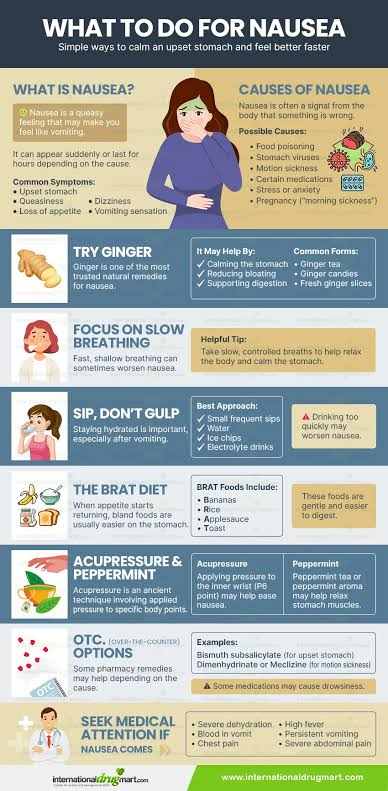
- How to Help Nausea: Relief Steps and Warning Signs — Learn practical ways to ease nausea, keep fluids down, choose medicines safely, and spot dehydration or other symptoms that need urgent medical care.
Important Medical Disclaimer
This article is for general educational purposes and is not a substitute for advice from a qualified doctor or pharmacist. Always consult your doctor/pharmacist before using any medicine, changing a dose, or starting treatment.