Salicylic acid face wash is a popular skincare option for people
Salicylic acid face wash is a popular skincare option for people Salicylic acid face wash is a popular skincare option for people who want to manage excess oil, clogged pores, blackheads, and blemish-prone skin. As a
By Sarah Chen, MSc6 min read
Reviewed by Medical Review Team ·
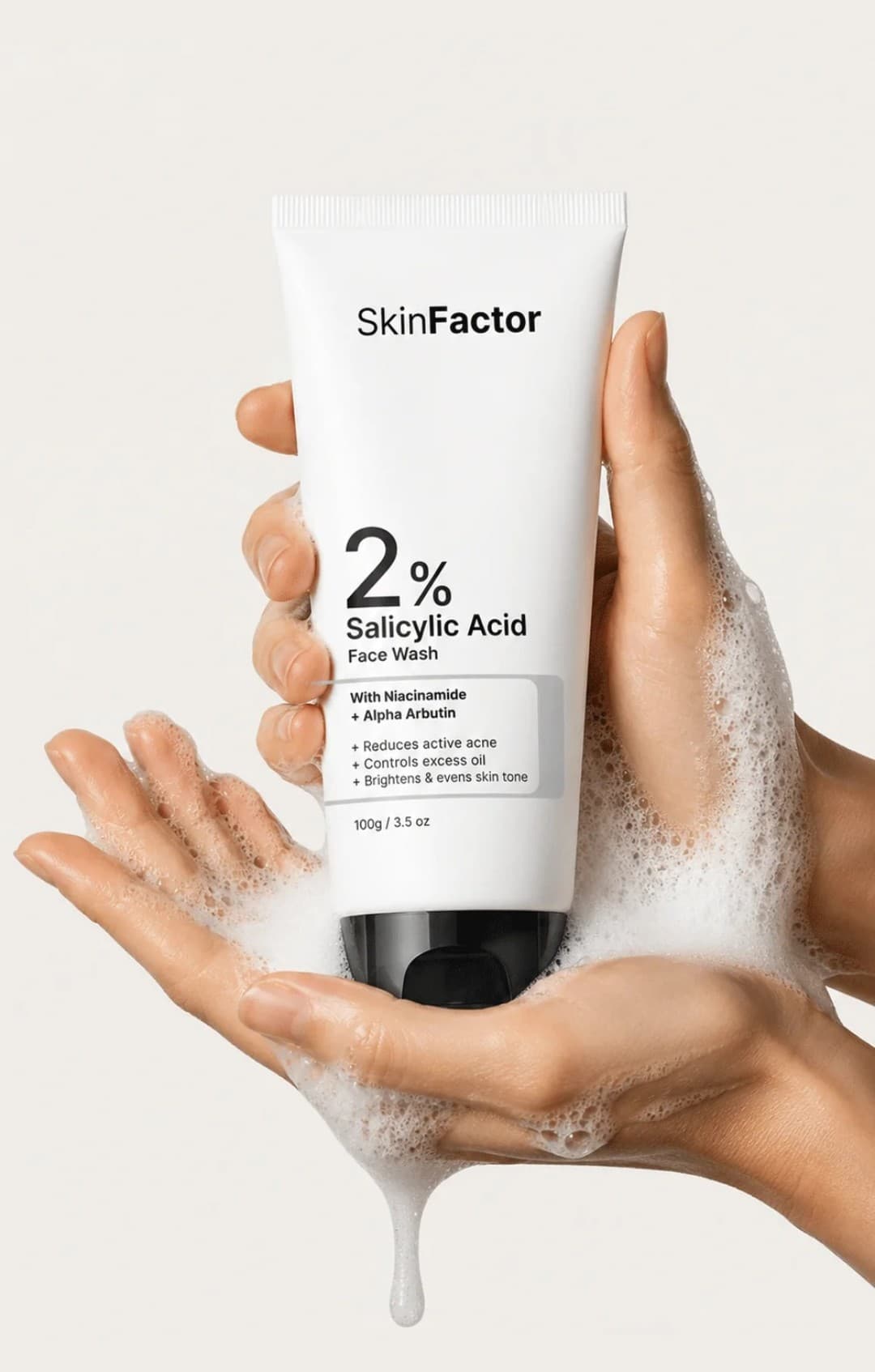
beta hydroxy acid, commonly known as BHA, salicylic acid can help loosen the buildup of oil and dead skin cells that may contribute to blocked pores. However, using it effectively is not simply about washing the face as often as possible. A good strategy focuses on frequency, technique, hydration, and understanding how your skin responds.
When introduced gradually and used correctly, a salicylic acid face wash can become a useful part of a simple skincare routine. The key is to find a balance between exfoliation and
maintaining the skin's natural barrier.
What Is Salicylic Acid
Salicylic acid face wash is a type of chemical exfoliant that is particularly useful for oily and blemish-prone skin. Unlike physical scrubs that remove dead skin through friction, salicylic acid works chemically to help loosen dead skin cells.
Because it is oil-soluble, salicylic acid can work within oily areas of the skin and help clear material that contributes to clogged pores. This makes it especially popular in cleansers designed for oily, combination, and acne-prone skin.
A face wash containing salicylic acid is also different from a leave-on serum or treatment. Because it is rinsed away, it may provide a gentler introduction to salicylic acid for people who are new to exfoliating ingredients.
Start Slowly
One of the best strategies for using a salicylic acid face wash is to start slowly. Using it too frequently from the beginning may leave the skin feeling dry, tight, irritated, or uncomfortable.
If you are new to salicylic acid, consider using the face wash a few times per week rather than immediately using it multiple times every day. Pay attention to how your skin responds before increasing frequency.
People with oily skin may eventually tolerate more frequent use, while dry or sensitive skin may benefit from using the product less often. There is no universal schedule that works for everyone.
Use the Right Amount
More product does not necessarily mean better results. A small amount of face wash is generally enough to cleanse the face effectively.
Begin by wetting your face with lukewarm water. Apply a small amount of the cleanser to your fingertips and gently spread it over the skin. Avoid aggressively rubbing or scrubbing the face.
A gentle application is important because salicylic acid already provides exfoliating action. Adding excessive physical friction can increase the chance of irritation.
Keep the Cleansing Technique Gentle
When using a salicylic acid face wash, massage the cleanser gently across the face rather than scrubbing hard. Pay particular attention to areas where oil and congestion are common, such as the forehead, nose, and chin.
Avoid getting the cleanser into the eyes and be careful around sensitive areas. After cleansing, rinse thoroughly with lukewarm water and gently pat the face dry with a clean towel.
There is no need to rub the skin aggressively after rinsing. Gentle handling helps reduce unnecessary stress on the skin barrier.
Do Not Overuse It
A common mistake is assuming that more exfoliation will produce faster results. In reality, overusing salicylic acid can contribute to dryness and irritation.
If your skin begins to feel unusually tight, flaky, burning, or persistently irritated, consider reducing how frequently you use the cleanser. You may also need to simplify the rest of your skincare routine temporarily.
The goal is not to remove every trace of oil from the skin. Healthy skin naturally contains oils that contribute to its protective barrier.
Follow With Moisturizer
Moisturizing is an important part of a salicylic acid routine. After cleansing, apply a suitable moisturizer to help support the skin barrier and reduce feelings of dryness.
People with oily or combination skin may prefer lightweight, non-comedogenic moisturizers, while people with dry skin may prefer richer formulas.
Using a moisturizer does not defeat the purpose of salicylic acid. Instead, it can help maintain a comfortable routine that is easier to continue consistently.
Be Careful With Other Active Ingredients
Another important strategy is avoiding unnecessary combinations of strong active ingredients. Using several exfoliating or potentially irritating products at the same time can make it difficult to determine what your skin actually tolerates.
For example, introducing salicylic acid while simultaneously adding multiple new exfoliants may increase the risk of irritation. A simpler routine makes it easier to monitor your skin.
If you already use products containing ingredients such as retinoids, benzoyl peroxide, alpha hydroxy acids, or other exfoliating ingredients, consider introducing changes gradually. If you have persistent acne or significant skin sensitivity, a dermatologist can help you determine an appropriate routine.
Use Sunscreen During the Day
Sunscreen is an important part of a daytime skincare routine. Although salicylic acid is commonly used to improve the appearance of clogged pores and blemish-prone skin, protecting your skin from ultraviolet exposure remains important.
After cleansing and moisturizing in the morning, apply a broad-spectrum sunscreen appropriate for your skin type. This is particularly useful when your routine contains exfoliating ingredients.
A lightweight sunscreen can work well for people with oily skin, while moisturizing sunscreen formulas may be more comfortable for dry skin.
Adjust Your Routine to Your Skin Type
Your skin type should influence how often you use a salicylic acid face wash.
Oily skin: You may tolerate more frequent use, especially if excess oil and clogged pores are your main concerns.
Combination skin: Consider focusing on areas that become oily while monitoring drier areas for signs of irritation.
Dry skin: Use the cleanser less frequently and prioritize moisturizing products.
Sensitive skin: Introduce salicylic acid cautiously and stop or reduce use if persistent irritation develops.
These are general guidelines rather than strict rules. Skin can also change according to weather, stress, hormones, and other factors.
Give Your Routine Time
Skincare results rarely happen overnight. of the most useful strategies is consistency rather than constantly changing products.
Using a face wash appropriately over time can help support clearer-looking skin, but individual results vary. If a product is causing persistent redness, burning, swelling, or significant discomfort, discontinue use and seek professional advice when appropriate.
Avoid increasing the frequency simply because you want faster results. A sustainable routine is usually more useful than an aggressive one.
A Simple Salicylic Acid Routine
A straightforward routine can make the process easier.
In the morning, cleanse gently if appropriate for your skin, apply moisturizer, and finish with sunscreen.
In the evening, use your salicylic acid face wash according to your tolerance, rinse thoroughly, and apply moisturizer.
If your skin becomes dry or irritated, reduce the frequency of the salicylic acid cleanser and focus on gentle cleansing and hydration until your skin feels comfortable again.
Final Thoughts
Using a salicylic acid face wash with a good strategy is about balance rather than intensity. Start gradually, use a gentle cleansing technique, avoid excessive scrubbing, moisturize regularly, and be thoughtful about combining other active ingredients.
Salicylic acid can be a valuable ingredient for people concerned about excess oil, clogged pores, and blemish-prone skin, but the best routine is that your skin can comfortably tolerate.
By paying attention to your skin's response and keeping the rest of your routine simple, you can make salicylic acid face wash a practical part of a consistent skincare routine without unnecessarily over-exfoliating the skin.
Important Medical Disclaimer
This article is for general educational purposes and is not a substitute for advice from a qualified doctor or pharmacist. Always consult your doctor/pharmacist before using any medicine, changing a dose, or starting treatment.